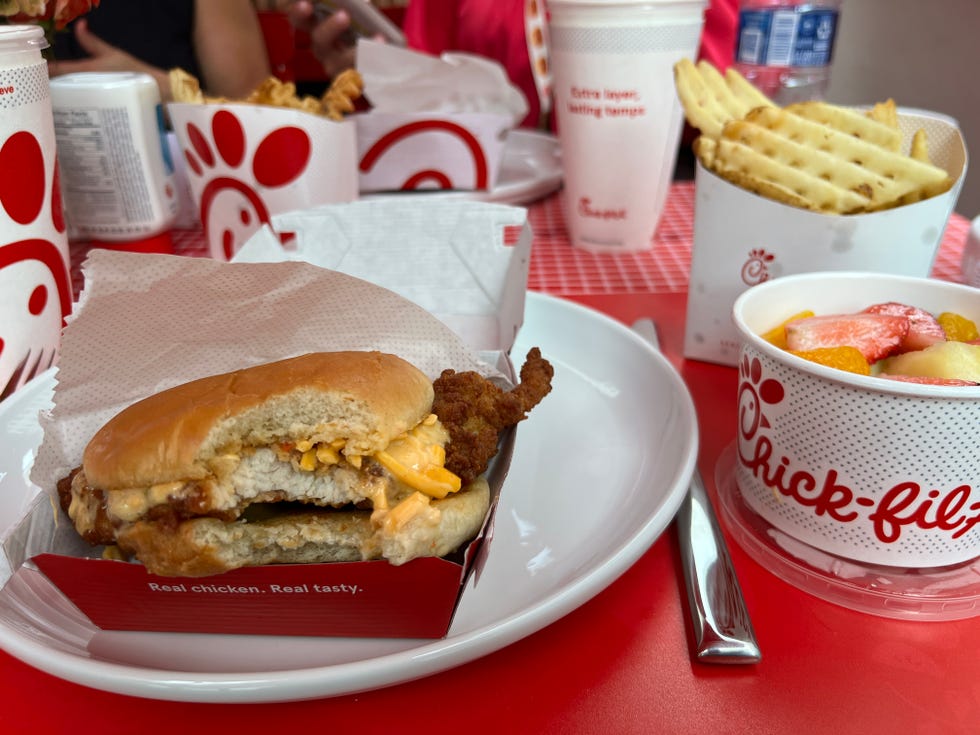
Navigating fast-food nutritional disclosures can feel like solving a puzzle, especially when popular chains market themselves as cleaner alternatives. Walking into Chick-fil-A with health goals doesn't mean you have to settle for dry lettuce or skip the drive-thru lane entirely, but you do need to separate clever marketing from actual macro profiles. Many diners assume that swapping a fried patty for a grilled one solves every dietary dilemma, or that ordering a salad automatically secures a light meal. The reality involves hidden sodium counts, calorie-dense dressings, and portion variables that catch even experienced macro-trackers off guard.
When you look past the wholesome branding, the actual numbers reveal a stark contrast between safe bets and hidden traps. An original breaded chicken sandwich sits at 420 calories with 29 grams of protein, while its grilled counterpart registers 390 calories. The calorie gap is smaller than most expect, but the sodium gap tells a completely different story. Understanding these nuances requires looking closely at how items are prepared, what toppings come standard, and how sides quietly double your intake.
The Fried Versus Grilled Illusion
The most common misconception on the menu is that choosing grilled options transforms a meal into total health food. While grilled items cut fat and sodium significantly, they don't operate in a vacuum.
An eight-count of fried chicken nuggets contains 250 calories, 11 grams of fat, and 1,210 milligrams of sodium. An eight-count of grilled nuggets drops to 130 calories, 3 grams of fat, and 440 milligrams of sodium while delivering 25 grams of protein. That makes the grilled nuggets an exceptional protein-to-calorie bargain.
However, sandwiches tell a more nuanced tale. The classic fried chicken sandwich carries 420 calories and 1,460 milligrams of sodium. The grilled chicken sandwich brings 390 calories and 765 milligrams of sodium. You save only 30 calories by switching to grilled, though you cut your sodium intake nearly in half. If your primary metric is weight management via calories, the difference is negligible. If your focus is cardiovascular health or water retention, the grilled option matters immensely.
The Salad Trap
Salads represent the biggest trap for diners trying to eat clean. Because they feature greens, fruit, and nuts, people assume they are inherently low-calorie.
The Cobb Salad with crispy chicken, bacon, cheese, and Avocado Lime Ranch dressing starts heavy and climbs quickly. As typically prepared, it reaches over 800 calories and pushes past 2,100 milligrams of sodium. That exceeds the sodium content of a chicken sandwich and medium waffle fries combined.
- The Market Salad offers a lighter profile, but toppings like granola and roasted nuts add up.
- Salad dressings routinely pack 200 to 300 calories per packet.
- Swapping crispy chicken for a grilled filet lowers the total, but the dressings and cheese dictate the final macro count.
Pouring an entire packet of dressing onto a salad instantly negates the calorie deficit you earned by skipping the fries. Always ask for dressing on the side and use only half.
Breakfast Realities and Morning Macros
Morning menus present unique challenges, particularly with biscuit-heavy offerings. A standard chicken biscuit delivers 460 calories and 1,510 milligrams of sodium.
If you want protein without the heavy saturated fat load, the Egg White Grill stands out as a reliable choice. It provides 300 calories, 7 to 8 grams of fat, and 27 grams of protein. It uses grilled chicken, egg whites, and American cheese on an English muffin.
On the other end of the spectrum, the Hash Brown Scramble Burrito with meat climbs past 650 calories and 36 grams of fat. While it fuels a high-energy morning or a heavy lifting session, it will easily derail a strict caloric deficit if you aren't tracking your daily intake.
Customization Strategies for Clean Eating
You don't have to stick to plain grilled nuggets to stay on track. Small ordering adjustments drastically alter the nutritional outcome of any meal.
- Ditch the top bun: Removing half the bun from any sandwich slashes carbohydrates and saves roughly 70 to 100 calories.
- Control the sauce: Signature sauces like Chick-fil-A sauce or Polynesian sauce add 140 to 180 calories per single-serving packet. Swap them for mustard, buffalo sauce, or light dressings.
- Scale your sides: Medium waffle fries deliver 420 calories and 240 milligrams of sodium. Dropping down to a small size or substituting a fruit cup or Kale Crunch side keeps your side dish under 150 calories.
- Hydrate wisely: Sweet tea packs massive amounts of cane sugar. Opt for unsweetened iced tea or diet lemonade to eliminate liquid sugar intake.
Frequently Asked Questions
What is the absolute lowest-calorie protein option?
An eight-count of grilled nuggets contains 130 calories and 25 grams of protein. For a smaller appetite, a five-count provides 80 calories and 16 grams of protein.
Are the waffle fries considered healthy?
No. Waffle potatoes are fried in oil and salted heavily. A medium order contains 420 calories and 5 grams of protein. They fit into flexible dieting, but they offer minimal nutritional density compared to a fruit or kale side.
How can I lower the sodium in my meal?
Sodium is the hardest element to avoid in fast food due to brining and seasoning practices. Choosing grilled items instead of fried items cuts sodium nearly in half, and avoiding heavy dressings and sauces prevents further accumulation.
Does removing the bun ruin the meal structure?
Not at all. Ordering sandwiches or breakfast items without the bread turns them into low-carb bowls, making it simple to maintain keto or low-carb parameters while eating on the go.



