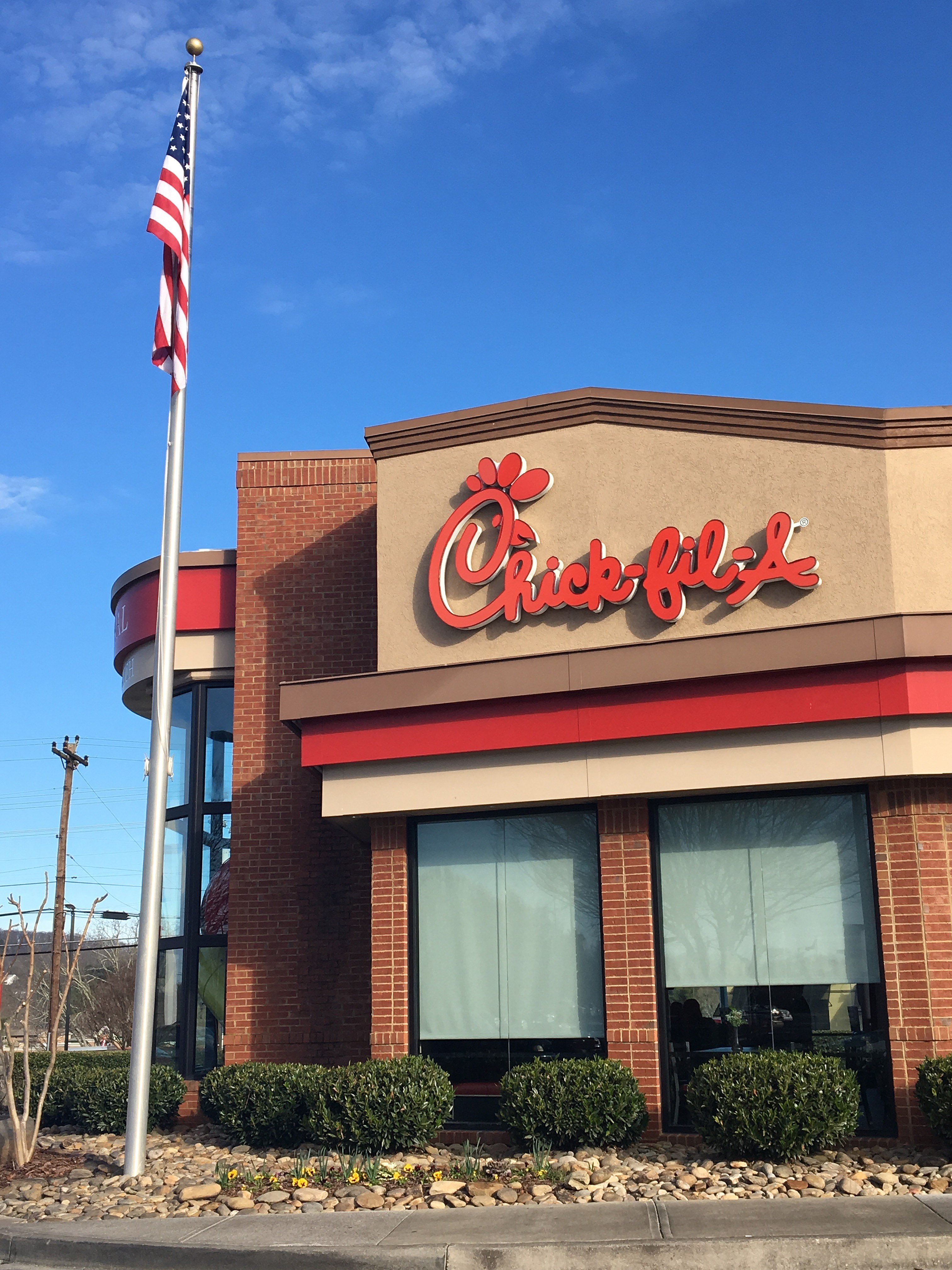
If you are looking for a Chick-fil-A chicken sandwich in Israel, you won't find one. The American fast-food chain does not operate any locations in the country, and leadership has announced no plans to expand there.
The absence of Chick-fil-A Israel isn't the result of a political boycott or a sudden corporate withdrawal. Instead, it comes down to a cautious, highly controlled international growth strategy, complex supply chain requirements, and a deliberate focus on selected markets. Understanding why the brand hasn't opened restaurants in Israel requires looking at how the company picks its international footprints, manages its unique operator model, and handles global logistics.
The Reality of Chick-fil-A's Global Footprint
For decades, Chick-fil-A remained almost exclusively a domestic American brand. Aside from a handful of short-lived experimental locations and spots in Puerto Rico, the company concentrated its massive growth within the United States.
Recently, the company started expanding beyond North America, entering markets like the United Kingdom and Singapore. However, its global map remains compact compared to competitors like McDonald's or KFC.
- Domestic Core: The vast majority of the company's thousands of restaurants remain anchored in the United States.
- Canadian Growth: Canada has seen steady, deliberate expansion, particularly around Ontario and surrounding provinces.
- New International Markets: Recent investments target specific global hubs in Europe and Asia, backed by a multi-year international commitment.
Israel is missing from these rollout plans. The corporation hasn't signed franchise agreements with local Israeli operators, nor has it set up the import channels required to maintain its strict ingredient standards in the region.
Why Chick-fil-A Expands Slowly (And Where Israel Fits)
Corporate leadership doesn't scale into a new country on a whim. Entering a foreign market requires solving major logistical puzzles. When examining why a country like Israel isn't on the current roadmap, several operational bottlenecks stand out.
Strict Supply Chain Standards
Chick-fil-A maintains famous requirements for its ingredients, most notably its use of whole chicken breast fileting and specific sourcing guidelines. Replicating this supply chain overseas requires finding local agricultural partners who can meet exact quality metrics or establishing reliable import pathways. Building these systems demands years of groundwork before a single storefront opens.
Operator Model Complexities
Unlike traditional fast-food chains that rely heavily on master franchise agreements or massive multi-unit corporate ownership, Chick-fil-A uses a unique local owner-operator model. Operators are expected to be hands-on in the day-to-day business. Scaling this model internationally requires finding individuals who align with the corporate culture and operational philosophy, which slows down international pacing compared to competitors.
Strategic Market Prioritization
The company's international division focuses on densely populated urban centers with massive consumer testing grounds. Recent expansions into major global commercial hubs reflect a strategy of high-volume validation. Smaller or geopolitically complex markets often take a backseat until the brand builds out robust international infrastructure.
Common Misconceptions About Chick-fil-A and Israel
Because of the brand's high profile in American culture, rumors frequently circulate online regarding its international status or political alignments.
Some social media posts claim that the company actively supports causes in the Middle East, while others claim it faces specific bans. In reality, the corporate office maintains a strict focus on domestic community giving—primarily targeting education, homelessness, and hunger relief in regions where it operates. It does not fund political or international military causes, and its omission from the Israeli market is purely a matter of business prioritization rather than political exclusion.
Local Alternatives and the Future of Fast Food in Israel
If you're traveling through Israel and craving a crispy chicken sandwich, you won't find a local franchise substitute carrying the brand name. However, the Israeli fast-casual dining scene features plenty of local and international options specializing in fried and grilled chicken.
Will Chick-fil-A ever open a location in Israel? Never say never, as global retail landscapes shift over decades. Yet, given the brand's methodical pace and current focus on targeted European and Asian expansion, an Israeli launch isn't happening anytime soon.
Frequently Asked Questions
Are there any underground or bootleg Chick-fil-A locations in Israel?
No. Because the brand relies on a tightly controlled supply chain and strict local operator oversight, unauthorized popup clones or unofficial stores do not exist in the country.
Does Chick-fil-A ship its food internationally?
No. The company does not offer international shipping for its menu items. If you want the original sandwich, you have to visit an operating restaurant in the United States, Canada, Puerto Rico, the UK, or Singapore.
Why do some people think Chick-fil-A has stores in the Middle East?
Confusion often stems from viral social media posts mixing up American brands, or mistaking the presence of other U.S. chains like KFC or McDonald's in the region for Chick-fil-A's international footprint.
How does Chick-fil-A choose its new international markets?
The corporation looks for stable economies, dense populations, high demand for chicken, and regions where it can successfully establish its proprietary supply chain and local operator network.


