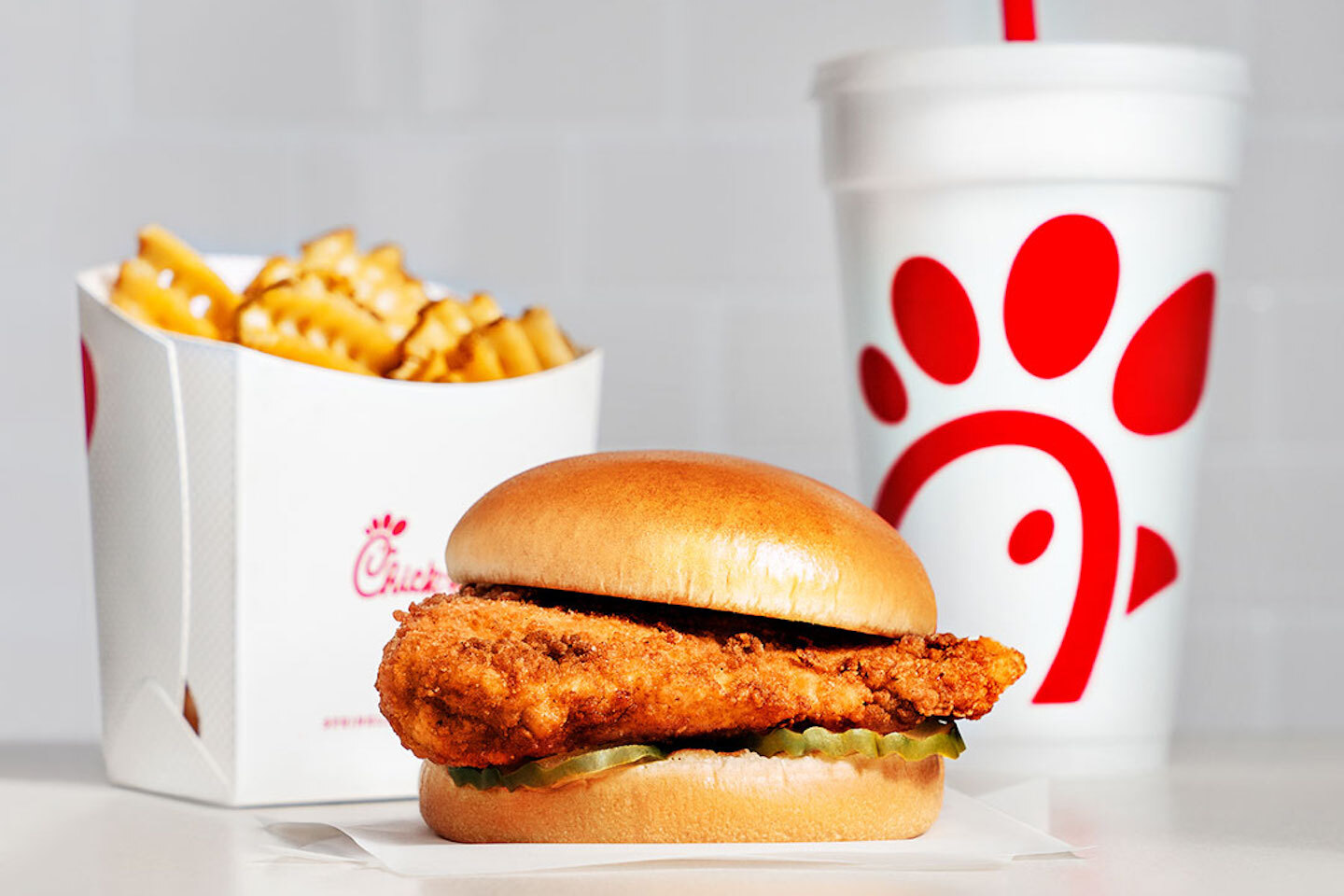
When a fast-food staple becomes the center of online activism, it usually points to a deeper friction between corporate choices and consumer ethics. The conversation around Chick-fil-A fries shifted away from mere menu preferences when digital petitions targeted the brand's supply chain practices and animal welfare standards. Rather than focusing on recipe changes or salt content, these consumer-led movements brought industrial farming methods straight into public view, forcing fast-food giants to confront how everyday comfort foods connect to large-scale agricultural systems.
Understanding this debate requires looking past internet rumors and examining how modern food activism operates. When thousands of diners sign petitions demanding policy shifts from major chains, they aren't just expressing an opinion; they're testing the limits of consumer influence. This piece unpacks the actual origins of these viral campaigns, what they demand from major corporations, how brands respond behind closed doors, and why your side order of waffle fries carries more weight than you might think.
The Anatomy of a Fast-Food Petition
Modern food petitions don't start in corporate boardrooms; they begin on social media platforms and consumer advocacy networks. When a campaign targeting a massive chain gains traction, it typically follows a specific lifecycle:
- The Discovery Phase: Activists or concerned patrons highlight a specific supply chain practice, ingredient source, or corporate partnership.
- The Digital Spark: Influencers and food writers amplify the issue, turning complex agricultural logistics into shareable, bite-sized graphics.
- The Signature Surge: Platforms like Change.org record tens of thousands of signatures within days, fueled by customer loyalty and brand visibility.
- The Media Cycle: Mainstream news outlets pick up the story, contrasting beloved menu items with uncomfortable production realities.
In the case of popular potato items and poultry supply chains, activists have long pressured quick-service restaurants (QSRs) to adopt strict cage-free or pasture-raised mandates. Because side dishes and main proteins often share overlapping supply networks or corporate oversight, entire menus come under scrutiny when a brand faces ethical pressure.
Why Potato Sides and Menu Staples Attract Scrutiny
It might seem odd that a side dish like waffle fries becomes a focal point for ethical debates usually reserved for meat products. However, large chains operate on massive, highly integrated supply chains where every menu item—from the frying oil to the potato grade—reflects corporate purchasing power.
When consumers target a brand's signature item, they target its identity. Chick-fil-A's crisp, seasoned potato wedges are iconic, making them an effective symbol for broader corporate practices. If diners are unwilling to give up their favorite snacks, consumer advocates argue that they have leverage to demand better sourcing standards from the parent company.
According to reports from agricultural watchdogs like the ASPCA, consumer pressure remains one of the few external forces that can accelerate corporate timelines on animal welfare transitions. Even when restaurants maintain that they rely on third-party vendors, public campaigns force executives to address public relations risks head-on.
Corporate Playbooks: How Fast-Food Giants Respond
When faced with viral petitions, massive restaurant chains rarely cave overnight. Their response strategies are carefully calculated to protect brand equity while managing public relations fallout. Here is how major QSRs typically handle pressure:
- Emphasizing Third-Party Compliance: Chains often point out that independent suppliers handle raw agricultural production, creating a buffer between corporate offices and farm-level operations.
- Highlighting Gradual Progress: Rather than setting immediate deadlines, brands prefer to announce long-term, incremental goals for sustainability and welfare.
- Prioritizing Consistency and Quality: Public statements frequently redirect the conversation back to food safety, taste consistency, and customer service standards.
- Internal Stakeholder Management: Behind the scenes, corporate teams brief franchise owners and regional managers on how to address customer questions politely and consistently.
This measured approach can frustrate activists who want immediate policy overhauls, but it protects corporations from supply chain disruptions. Sourcing millions of pounds of potatoes or poultry to meet strict new criteria takes years of supplier negotiation and infrastructure investment.
Common Mistakes in Consumer Food Activism
When everyday diners attempt to change corporate behavior through online petitions, they often run into predictable roadblocks. Knowing these missteps helps explain why some campaigns succeed while others fade away:
- Targeting the Wrong Entity: Blaming individual store operators or local franchise owners for corporate-level procurement policies achieves nothing, as local managers don't control national supply contracts.
- Ignoring Economic Realities: Demanding instant shifts to specialized, premium ingredients without acknowledging cost impacts makes petitions easy for corporate boards to dismiss as economically unfeasible.
- Confusing Quality with Ethics: Assuming that a great-tasting, clean product automatically guarantees humane or sustainable farming practices leads to misplaced trust.
- Failing to Sustain Pressure: Signing an online form and forgetting about it a week later signals to corporate PR teams that the outrage is temporary.
Practical Steps for Conscious Fast-Food Consumers
If you care about where your food comes from and want your purchasing habits to reflect your values, passive petition signing isn't enough. Here is how you can make a tangible difference:
- Research Corporate ESG Reports: Look past marketing buzzwords and read official environmental, social, and governance reports published by restaurant parent companies.
- Support Brands with Transparent Sourcing: Patronize regional chains or independent eateries that proudly publish exact farm-to-table supply chains.
- Ask Direct Questions: Use customer service contact forms or social media channels to ask specific questions about supplier standards rather than leaving generic complaints.
- Vote With Your Wallet: Consistent patronage speaks louder than viral posts. If a brand's practices don't align with your ethics, shifting your spending to competitors forces real market adjustments.
Frequently Asked Questions
Do online petitions actually change fast-food menus?
Yes, but usually over long time horizons. While a single petition rarely forces an overnight menu overhaul, accumulated public pressure frequently accelerates corporate timelines for cage-free eggs, antibiotic-free chicken, and sustainable packaging.
Does Chick-fil-A control its own potato and food supply chain?
Like most massive fast-food operations, Chick-fil-A partners with independent agricultural suppliers, distributors, and processing plants rather than owning farms directly. Corporate offices set quality and safety standards, but third-party contractors handle production.
Why do activists target side items instead of main entrees?
Side items like fries, dipping sauces, and beverages are high-volume products purchased by nearly every customer. Targeting a universal staple maximizes public visibility and media coverage for advocacy campaigns.
Are fast-food chains legally required to meet animal welfare petitions?
No. Petitions are expressions of public opinion, not legal mandates. Unless local or federal governments pass legislation regulating specific farming practices, corporate compliance remains entirely voluntary.



