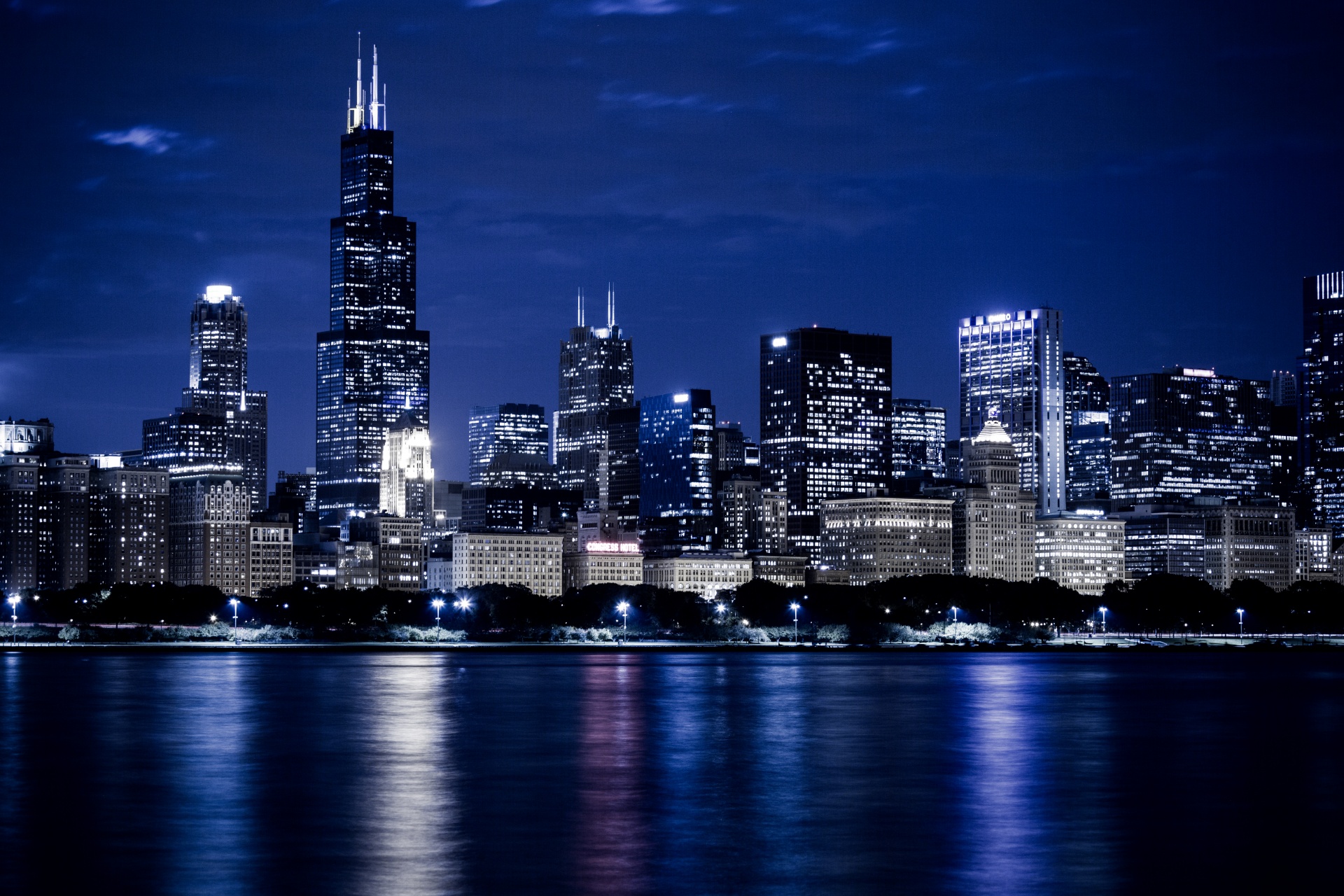
When you weigh Chicago and Philadelphia against each other, you're looking at two heavyweights of American urban history that often fly under the national radar compared to coastal giants like New York and Los Angeles. Both towns offer rich immigrant heritage, world-class art collections, gritty authenticity, and distinct regional food identities. Yet they feel entirely different on the ground. Chicago stretches wide along the Great Lakes with a skyline of bold architecture and midwestern swagger, while Philadelphia packs colonial history, narrow brick alleys, and raw east coast intensity into a compact grid.
Choosing between them depends on whether you prefer the grand scale and blue-lake horizons of the Windy City or the historic walkability and gritty charm of the City of Brotherly Love. Let's look closely at how these two cities match up across daily expenses, neighborhood culture, food scenes, and transit.
Cost of Living and Housing Realities
Your wallet will feel a bit heavier in Philadelphia than in Chicago, though both offer far more value than coastal tech hubs. Overall, Chicago runs about ten percent more expensive than Philadelphia, driven largely by higher housing costs and steeper downtown rental markets.
Rent in Chicago typically asks for about fifteen to twenty percent more than comparable units in Philly. If you're hunting for a classic walk-up apartment or a historic row house, Philadelphia's neighborhoods—such as Fairmount or South Philly—provide more square footage for your money. Property taxes in Chicago are notoriously high, which trickles down into monthly housing expenses whether you're buying or renting.
- Rent: Philadelphia wins on affordability, with one-bedroom apartments in desirable areas averaging lower than Chicago's hot spots.
- Utilities: Energy bills in Chicago can spike during brutal winter months, while Philadelphia's older housing stock sometimes features inefficient heating systems that drive up utility costs.
- Groceries and Dining: Everyday essentials run neck and neck, though Philadelphia restaurants edge out Chicago slightly on casual neighborhood spot pricing.
Neighborhoods and Urban Architecture
Chicago is a city of distinct neighborhoods stitched together by the Chicago Transit Authority train lines, known locally as the 'L'. Architecture defines the urban fabric here. From the historic 1893 World's Fair remnants in Jackson Park to the soaring towers downtown, the city treats buildings as public art. Neighborhoods like Logan Square, Wicker Park, and Pilsen offer tree-lined residential streets interspersed with indie coffee shops, vibrant street art, and independent music venues.
Philadelphia operates on a human scale that makes it one of the most walkable cities in America. William Penn’s original grid layout means you can walk from Center City to historic Old City or the Delaware River waterfront in minutes. Neighborhoods like Rittenhouse Square offer manicured parks and upscale brownstones, while Fishtown and Northern Liberties showcase post-industrial creative regeneration with converted warehouses, craft breweries, and art collectives.
The Food Wars: Deep Dish vs. Hoagies
Food forms the cultural bedrock of both cities, and local loyalties run fierce. You aren't just eating a meal; you're participating in a civic tradition.
Chicago's food identity spans far beyond the famous deep-dish pizza, which locals treat more as a visitor's novelty than a Tuesday night staple. The city excels at tavern-style thin crust cut into squares, distinct Polish sausages, and Jibarito sandwiches originating from its deep Puerto Rican community. Neighborhoods like Chinatown and Devon Avenue provide some of the most authentic regional Asian and South Asian cuisines in the Midwest.
Philadelphia answers with an undisputed sandwich legacy. The cheesesteak gets the headlines, but the true culinary crown goes to the classic roast pork sandwich with sharp provolone and broccoli rabe, best found at establishments like DiNic's in the Reading Terminal Market. Philly's BYOB restaurant scene is legendary, offering world-class dining without the exorbitant markup on wine.
Public Transit and Getting Around
Navigating a city without a car reveals the true backbone of its infrastructure. Chicago features a comprehensive rail system radiating out from the Loop, including 24-hour service on the Red and Blue lines. Getting to O'Hare International Airport directly via train takes under an hour for a couple of dollars. Biking has also surged, protected by a growing network of barrier-separated lanes along major corridors.
Philadelphia relies on SEPTA, which operates subways, regional rail, trolleys, and buses under a single umbrella. The Market-Frankford and Broad Street lines are straightforward and efficient for getting across Center City and into surrounding neighborhoods. Because Philadelphia is remarkably compact, walking or cycling remains the preferred choice for many residents, saving you transit fare altogether.
Culture, Arts, and Green Spaces
Both cities punch way above their weight in cultural institutions, but they manifest them with different cultural attitudes.
Chicago houses the Art Institute of Chicago, featuring one of the finest impressionist collections on earth, alongside the sprawling Museum of Science and Industry. The lakefront acts as Chicago's front yard, offering 18 miles of continuous public parkland, beaches, and paths for running and cycling without a single commercial building blocking the view.
Philadelphia counters with the Benjamin Franklin Parkway, home to the Philadelphia Museum of Art (where you can run the famous Rocky steps). The Barnes Foundation holds an astonishing private collection of post-impressionist masterpieces. For green space, Fairmount Park spans over two thousand acres, making it one of the largest urban park systems in the country.
Common Mistakes to Avoid When Visiting or Moving
- Overestimating Deep Dish: Don't order deep-dish pizza if you're in a rush; it takes forty minutes to bake. Try tavern-style square cut for an authentic local meal.
- Ignoring the Neighborhoods: Don't spend your entire time in Center City Philly or downtown Chicago (The Loop). The soul of both cities lives in their outer neighborhoods.
- Underestimating Winter Weather: Chicago winters feature biting lake winds that require genuine cold-weather gear, while Philadelphia experiences damp, chilly cold snaps that cut straight through standard coats.
- Skipping Public Markets: Reading Terminal Market in Philadelphia and Chicago's various ethnic markets offer better food and local culture than any high-end tourist trap.
Frequently Asked Questions
Which city has a better job market for tech and finance?
Chicago generally offers a larger and more diversified corporate job market spanning finance, logistics, consulting, and tech. Philadelphia holds strong anchors in healthcare, biotechnology, education, and pharma, alongside a growing startup scene benefiting from proximity to New York.
Which city is safer for families?
Both cities are massive urban centers with stark neighborhood-by-neighborhood variations in crime rates. Safe residential pockets exist in abundance in both places, such as Chicago's North Side neighborhoods or Philadelphia's Chestnut Hill and Society Hill. Research specific zip codes rather than relying on city-wide statistics.
Is it necessary to own a car in Chicago or Philadelphia?
Neither city requires a car for daily life if you live near transit lines. Philadelphia is easier to navigate entirely on foot, while Chicago's vast geography makes its train and bus network essential for longer cross-town commutes.
How do winters compare between the two?
Chicago experiences harsher, snowier winters with intense wind chills blowing off Lake Michigan. Philadelphia winters are milder on average, though damp air and occasional heavy snowstorms still bring the city to a temporary halt.


