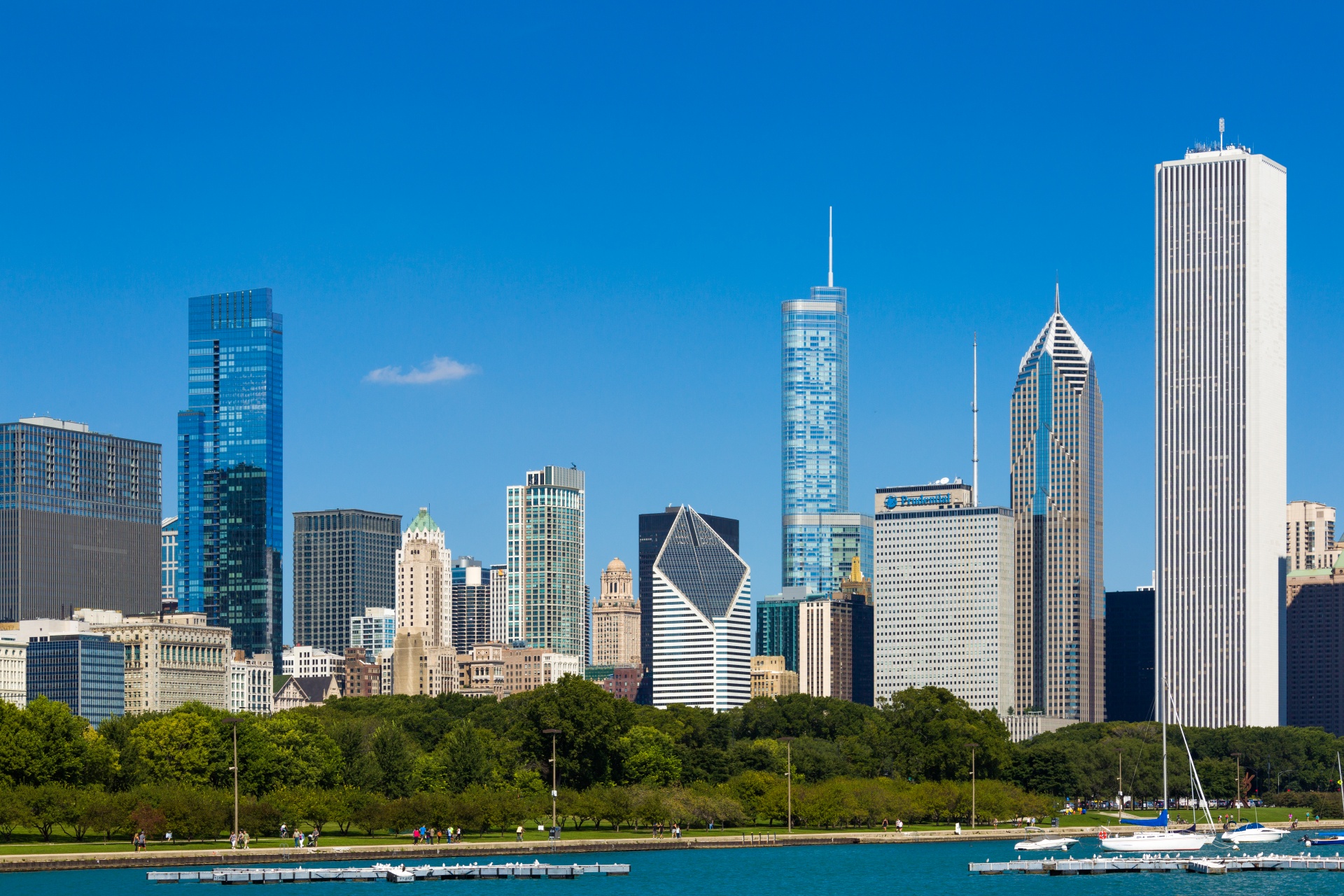
Concrete canyons and glass towers don't usually look like habitats, but Chicago functions as an unexpected hotspot for urban wildlife. Coyotes roam commercial alleyways at night, peregrine falcons nest on suspension bridges, and millions of migratory birds cross the Windy City skyline every spring and autumn. Nature here didn't just survive industrial expansion; it adapted, carved out niches, and found ways to thrive right alongside millions of residents.
Urban nature in Chicago highlights a unique intersection between heavy human infrastructure and resilient ecological networks. Managing this balance takes deliberate effort from local organizations, municipal agencies, and residents who leave room for wild neighbors.
The Concrete Jungle as a Migration Superhighway
Positioned right along the Mississippi Flyway, Chicago serves as a critical resting stop for avian travelers. Every year, roughly 350 species of birds navigate the urban core. They face a massive gauntlet of reflective glass, artificial light, and fragmented green spaces.
Despite these hazards, the city's geography along Lake Michigan acts as a natural funnel. Migrating songbirds, waterfowl, and raptors concentrate heavily near the lakefront parks.
- The Lakefront Corridor: Green spaces like Lincoln Park and Jackson Park provide vital resting and feeding grounds after exhausting lake crossings.
- Lighting Concerns: Nocturnal migrants rely on star patterns to navigate, making artificial light pollution from skyscrapers a dangerous distraction.
- Safe Building Initiatives: Local coalitions push for bird-friendly architectural standards, turning down exterior lights during peak migration windows to reduce fatal window collisions.
Mammals on the Move: Coyotes and Foxes
Large mammals in downtown areas usually trigger panic, but Chicago handles urban predators differently. The Urban Wildlife Institute based at Lincoln Park Zoo tracks populations of coyotes, red foxes, and raccoons using remote cameras and tagging programs.
Coyotes behave like ghosts in the city. They slip through railway embankments, industrial parks, and golf courses, feeding primarily on Canada geese, rabbits, and rodents. Rather than staging aggressive removals, city programs focus on coexistence. When humans secure garbage and avoid feeding wildlife, conflicts stay remarkably low.
Restoring Waters and Wetlands
Chicago's relationship with its water systems shapes its wildlife populations. Two centuries ago, the region featured vast wetlands, wet prairies, and meandering streams. Engineering projects channelized the Chicago River and paved over marshes, yet recent restoration efforts bring aquatic life back.
- River Revitalization: Ongoing restoration along the Chicago and Calumet rivers has improved water quality significantly. Beavers, river otters, and herons now appear in areas where industrial pollution once killed all aquatic life.
- The Forest Preserves: The Forest Preserves of Cook County manage nearly 70,000 acres of protected land. These tracts act as ecological anchors, allowing species to travel safely into suburban and urban fringes.
- Native Planting Ordinances: Homeowners increasingly replace traditional turf grass with native prairie plants, restoring deep root systems that absorb stormwater and feed local pollinators.
Practical Steps to Support Chicago Wildlife
Urban residents don't need a sprawling estate to help local ecosystems flourish. Small adjustments in daily routines make a measurable difference for neighborhood biodiversity.
- Turn Off Unnecessary Lights: If you live in a high-rise or manage a commercial property, dousing decorative exterior lights during peak migration seasons prevents bird strikes.
- Plant Native Species: Swap out non-invasive ornamentals for native perennials like coneflowers, milkweed, and bluestem. These plants feed native bees, butterflies, and nesting birds.
- Secure Waste Properly: Keep trash bins tightly sealed to prevent drawing raccoons, coyotes, and rats into residential yards, which keeps wild animals out of trouble.
- Skip Toxic Rodenticides: Use mechanical traps or rely on natural predators like hawks and owls instead of poisons that cascade up the food chain and harm predatory birds.
Frequently Asked Questions
Why are there so many coyotes in Chicago?
Coyotes adapt exceptionally well to human environments because the city offers abundant food sources like rodents and rabbits, alongside plenty of hidden den sites. They prefer to stay out of sight, traveling mostly at night through green corridors and alleyways.
How can I report an injured wild animal in Chicago?
You shouldn't handle injured wildlife directly. Instead, contact local accredited rehabilitation groups like the Chicago Bird Collision Monitors for birds or local animal control services for larger mammals.
Are Chicago's rivers safe for wildlife now?
Water quality has improved drastically compared to decades past thanks to stricter environmental regulations and wastewater treatment upgrades. Fish populations have rebounded, which in turn supports recovering populations of herons, egrets, and river otters.
What is the Mississippi Flyway and why does Chicago matter to it?
The Mississippi Flyway is a major North American bird migration route stretching from Canada to the Gulf of Mexico. Because Chicago sits right along Lake Michigan, tired migratory birds concentrate heavily in the city's lakefront parks to feed and rest.



