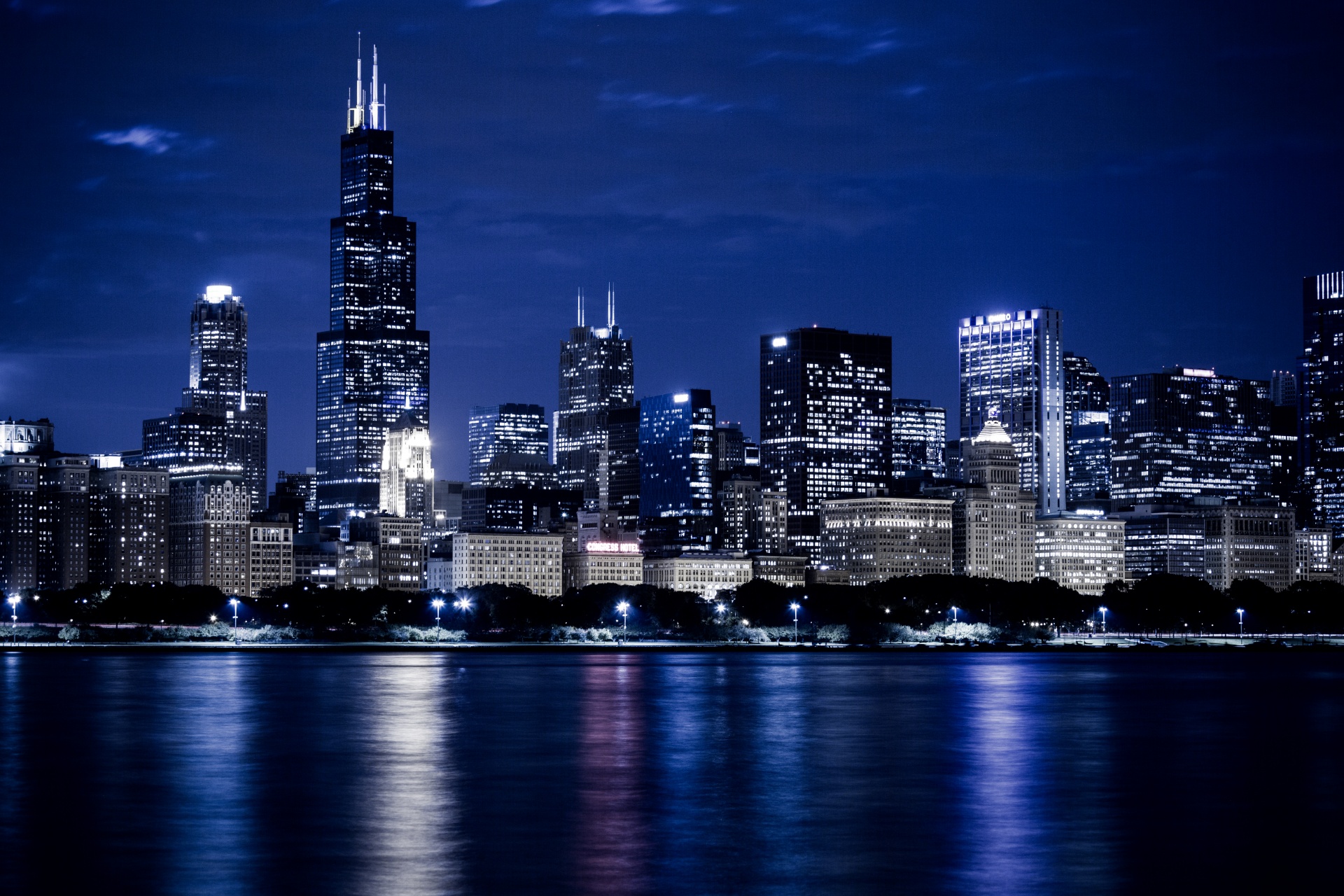
Chicago sits at a permanent intersection of industrial legacy and modern reinvention, shaped by decades of structural shifts, demographic changes, and economic reallocation. When examining how the city evolves, urban planners look closely at the spatial architecture left behind by mid-century manufacturing, the rise of service and tech sectors, and the ongoing efforts to mend hyper-segregated neighborhoods.
Understanding this trajectory requires looking past postcard skylines and examining the structural pressures on housing, transit, and local commerce. From the adaptation of former rail lines into public parks to the economic resurgence of the West Loop, Chicago's physical landscape reveals how a 19th-century trade hub continuously recalibrates for 21st-century realities.
Historical Foundations and the Crucible of Growth
Founded early in the nineteenth century as a strategic trading post, Chicago expanded rapidly on the strength of rail logistics, agricultural shipping, and heavy manufacturing. The Great Chicago Fire of 1871 acted as a physical reset, allowing architects and municipal leaders to pioneer steel-frame construction and grid-based urban planning that set a global standard.
Yet, this rapid industrialization created deep spatial divides. Neighborhoods developed along strict racial and economic lines, reinforced by twentieth-century housing policies, redlining, and selective municipal investments. These historical decisions continue to cast long shadows over the South and West Sides, creating disparities in commercial investment, public school funding, and transit access that modern civic programs struggle to untangle.
Economic Reconfiguration: From Steel to Tech
The closure of heavy steel mills and manufacturing plants in the late twentieth century forced Chicago into a painful economic pivot. Thousands of blue-collar jobs vanished, leaving entire community areas economically stranded.
To survive, the local economy diversified into corporate finance, logistics, professional services, and technology. The City of Chicago initiatives over recent decades focused heavily on converting brownfields and abandoned industrial corridors into commercial and residential hubs.
- The West Loop Transformation: Former meatpacking warehouses and industrial lofts evolved into software offices, venture capital firms, and high-end dining districts.
- The Medical District Expansion: West Side healthcare corridors grew into major employment engines, anchoring biotechnology research.
- Neighborhood Commercial Corridors: Independent retail districts across various wards shifted toward localized service economies, though unequal access to venture capital remains a persistent hurdle for minority-owned enterprises.
Infrastructure and Adaptive Reuse
Urban renewal in Chicago increasingly centers on adaptive reuse rather than wholesale demolition. Transforming obsolete infrastructure into public assets altered how residents interact with urban space.
The construction of the 606 trail, completed on an abandoned elevated rail line, connected distinct neighborhoods like Logan Square and Humboldt Park while simultaneously accelerating local property values and displacement pressures. Similarly, the ongoing revitalization of the Chicago River branch infrastructure aims to turn industrial waterfronts into recreational zones, though planners face steep challenges in balancing ecological restoration with equitable access for nearby low-income residents.
Persistent Challenges in Housing and Equity
Despite high-profile downtown investments, neighborhood equity remains an elusive target. The demolition of historic public housing complexes in the early 2000s displaced thousands of families, scattering them across the region without achieving promised mixed-income stability.
Housing affordability has emerged as a central flashpoint. As transit-oriented developments pop up near rail stations, long-term residents face rising property taxes and rents. Grassroots community organizations frequently push back against unchecked gentrification, demanding mandatory affordable housing set-asides and community land trusts to preserve neighborhood identity.
Frequently Asked Questions
What major economic shifts transformed Chicago's job market?
Chicago transitioned away from heavy manufacturing and steel production toward finance, technology, logistics, and professional services, altering neighborhood employment patterns significantly.
How did historical housing policies impact modern neighborhoods?
Twentieth-century redlining and segregated public housing development concentrated poverty and limited wealth accumulation in the South and West Sides, structural issues that current municipal policies attempt to address.
What is adaptive reuse in Chicago's urban planning?
It involves converting obsolete industrial infrastructure—such as elevated rail lines and shuttered factories—into public parks, multi-use residential buildings, and innovation centers.
How are neighborhoods managing gentrification pressures?
Communities utilize affordable housing ordinances, community land trusts, and local zoning controls to protect long-term residents from sudden property tax spikes and displacement.


