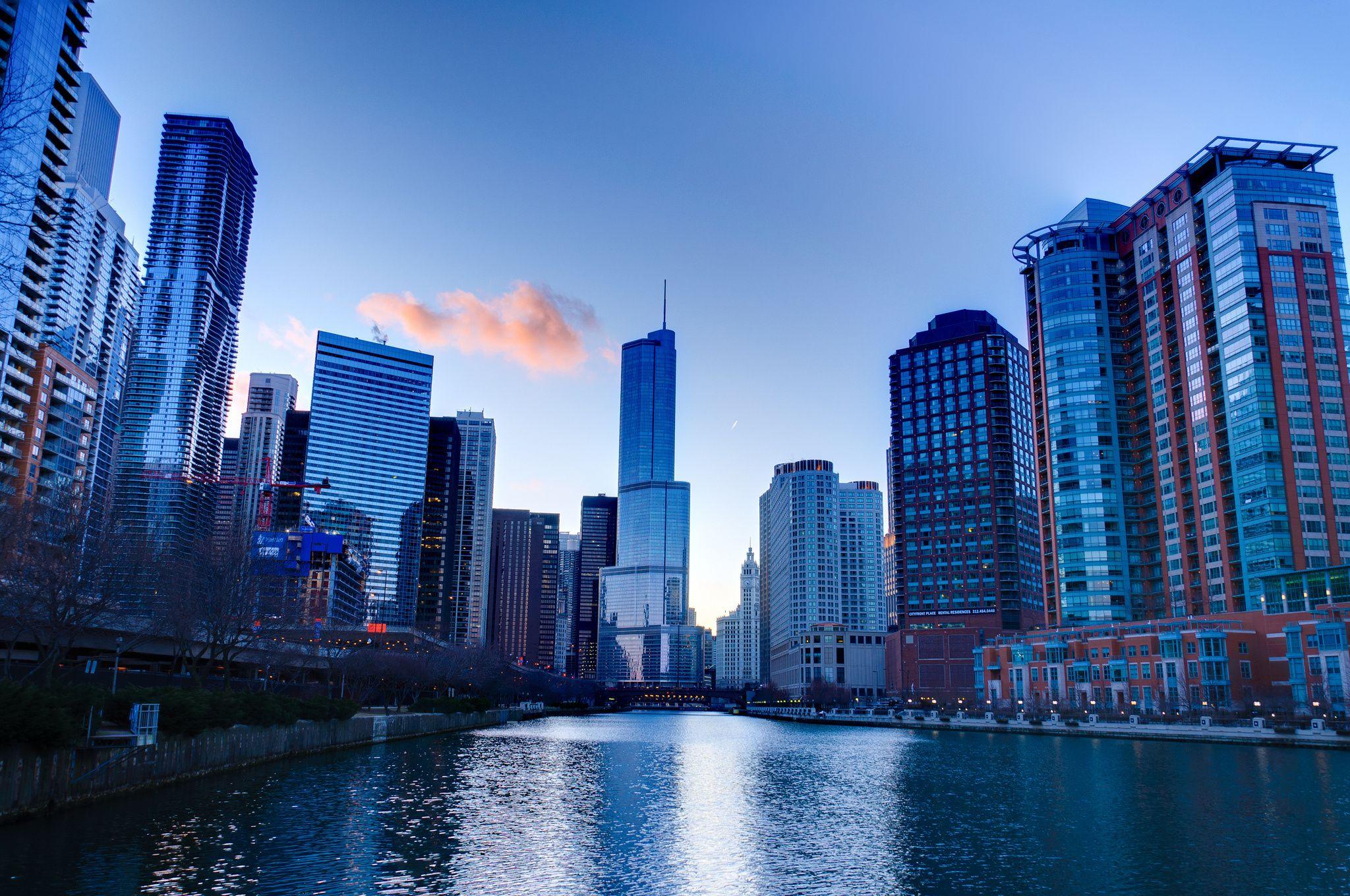
Chicago's urban landscape is undergoing a massive shift. The city transitioned all 411 of its municipal buildings—including O'Hare International Airport, local libraries, and City Hall—to run on 100 percent renewable energy. This milestone positions Chicago as a major U.S. leader in municipal climate action, cutting carbon emissions by roughly 290,000 metric tons annually. Beyond municipal buildings, the city's broader strategy addresses long-standing grid reliance, transit modifications, and localized green architecture.
Understanding how Chicago reached this milestone requires looking past standard political announcements. We need to examine the specific utility contracts, structural grid upgrades, and real-world hurdles facing the city's ongoing green transition.
How Chicago Power Sources Shifted to 100 Percent Renewable Energy
The foundation of Chicago's municipal energy shift relies on a large-scale procurement agreement with the Double Black Diamond solar farm located in central Illinois. This facility handles about 70 percent of the city's total municipal electricity needs. Spanning thousands of acres across Sangamon and Morgan counties, the massive solar installation generates power that feeds directly into the regional grid serving northern Illinois.
To bridge the gap for electricity demands not immediately met by direct solar generation, the city utilized renewable energy credits (RECs). While critics often point to RECs as a form of accounting paperwork rather than direct green power generation, municipal officials framed them as a necessary short-term tool.
The primary goals of this procurement structure include:
- Powering 411 distinct municipal facilities under a unified green framework.
- Reducing annual municipal carbon output by an amount equal to taking over 60,000 gasoline-powered passenger cars off the road.
- Securing long-term price stability against volatile fossil fuel markets.
- Directing workforce training funds to local organizations like Chicago Women in Trades to support the regional green economy.
Expanding Neighborhood Solar and Building Efficiency
Purchasing large blocks of rural solar power is only part of the equation. Urban energy efficiency requires localized generation and better insulation across aging architectural stock. Chicago expanded its footprint of rooftop solar installations on municipal structures, such as the branch libraries in Humboldt Park, South Chicago, and the Toman branch.
These localized arrays do more than trim electricity bills. They provide microgrid resilience during peak summer heat waves when the regional grid faces high strain.
Retrofitting municipal assets exposed deep structural challenges. Older brick and limestone structures lose heat rapidly, requiring extensive upgrades to HVAC systems, smart thermostats, and double-paned windows. The city paired these structural retrofits with strict energy-benchmarking ordinances for large private commercial buildings, forcing property owners to publicly report energy consumption data or face administrative penalties.
Greening Urban Transit and Infrastructure
Energy use inside buildings represents only one sector of urban carbon output. Transportation accounts for a significant share of regional emissions. Chicago's transit strategy leans heavily on modernizing the Chicago Transit Authority (CTA) bus and rail fleets, expanding protected bike lane networks, and maintaining extensive urban canopy cover through green roofs.
The CTA invested heavily in electric bus fleets, installing heavy-duty charging infrastructure at major garages across the South and West sides. However, scaling an electric transit fleet in a Midwestern climate introduces operational friction. Sub-zero winter temperatures drastically reduce battery range, forcing transit operators to rebalance charging schedules and maintain backup heating systems on buses.
On the architectural front, Chicago boasts millions of square feet of green-roof coverage. These rooftop gardens absorb stormwater runoff during heavy downpours, reducing the strain on the city's combined sewer overflow systems while mitigating the urban heat island effect.
Hurdles, Criticisms, and Realistic Next Steps
Despite notable milestones, urban environmental strategies face severe logistical bottlenecks. Critics and independent energy analysts frequently highlight several vulnerabilities in Chicago's long-term roadmap:
- Grid Interconnection Delays: Connecting new localized renewable projects to the regional transmission organization (PJM Interconnection) involves years of queue wait times and costly engineering studies.
- Reliance on Outdated Infrastructure: Large portions of Chicago's underground electrical grid, water mains, and transit lines date back to the early 20th century, requiring massive capital investments to prevent systemic failures.
- Equitable Distribution: Ensuring that green investments—such as localized solar microgrids, EV charging stations, and tree canopy expansions—reach historically underserved neighborhoods on the South and West sides remains an ongoing political and logistical challenge.
City officials set an even more ambitious target: transitioning all buildings across the entire city—including private residential and commercial stock—to clean energy by 2035. Meeting this deadline will require aggressive private-sector cooperation, expanded financial incentives, and rapid advancements in grid storage technology.
You can review ongoing municipal benchmarks and environmental initiatives directly through the City of Chicago Energy and Environment Portal and track broader regional climate updates via the U.S. Department of Energy Clean Cities Coalition.
Frequently Asked Questions
Does the 100 percent renewable energy target apply to all homes in Chicago?
No. The initial milestone achieved on January 1, 2025, applies strictly to municipal city-owned buildings and operations, such as O'Hare Airport, libraries, police stations, and City Hall. Residential homes and private commercial buildings operate under separate energy choices, though the city encourages private adoption through benchmarking laws and solar incentives.
How does Chicago handle winter weather impacts on green infrastructure?
Cold winters reduce the efficiency of solar panels slightly due to lower ambient temperatures, though clear snow reflecting sunlight can occasionally boost output. For electric transit, low temperatures demand auxiliary heating systems that draw power away from vehicle propulsion, requiring transit planners to adjust route lengths and charging intervals.
What is the financial impact of the Double Black Diamond solar contract?
While exact long-term figures fluctuate based on wholesale power markets, large-scale utility power purchase agreements (PPAs) are designed to lock in predictable, fixed electricity rates over a 15-to-20-year span. This shields the city budget from fossil fuel price spikes while generating millions in local tax revenues for rural Illinois host counties.
Are renewable energy credits (RECs) still being used by the city?
Yes. While a significant portion of power comes directly from regional solar assets like the Double Black Diamond facility, the city relies temporarily on RECs to cover remaining municipal balances. Municipal leadership maintains that the long-term objective is to phase out REC purchases entirely as local and regional clean generation capacity expands.


