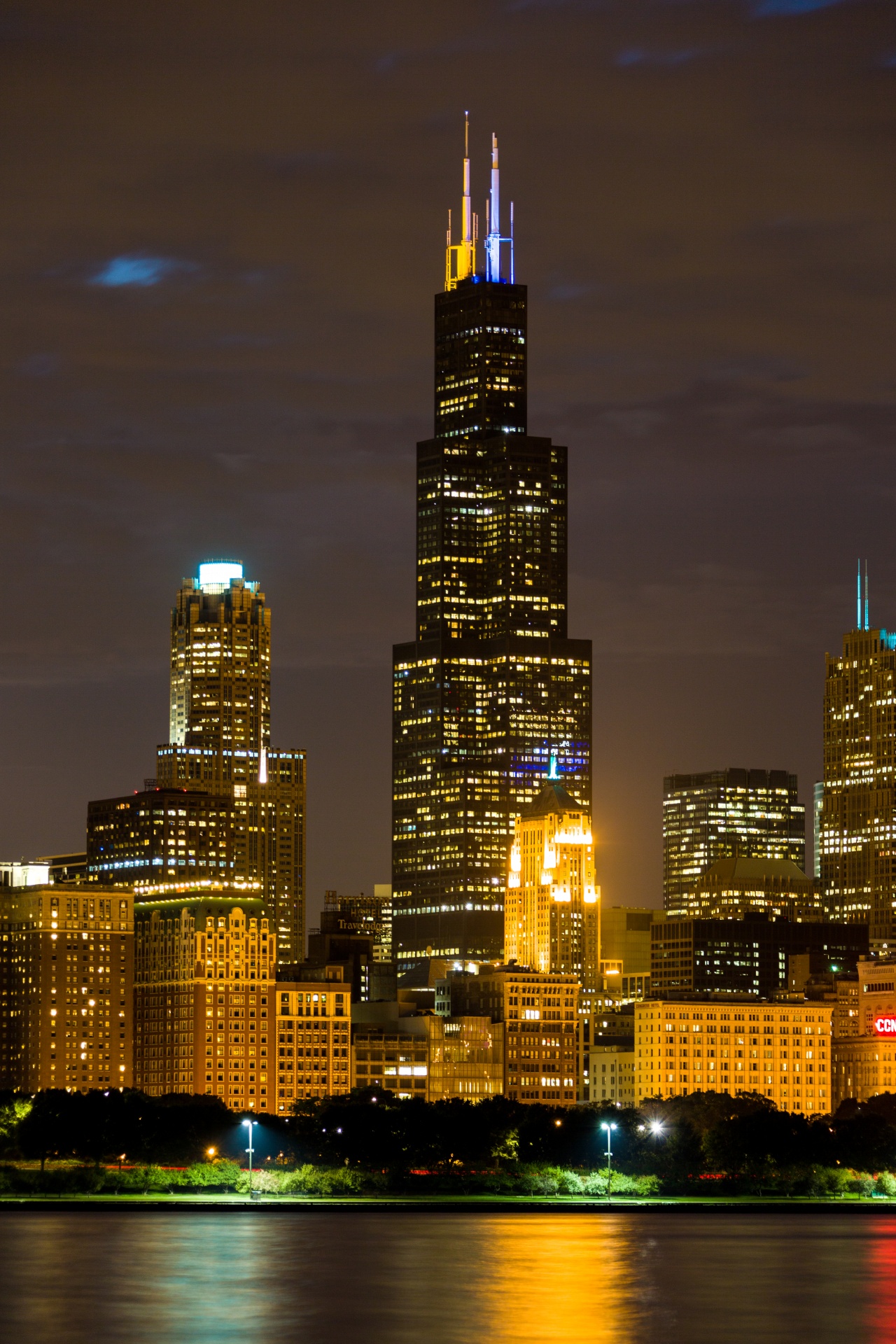
Chicago Monroe Street cuts straight across the historic core of downtown, capturing the relentless momentum of the Loop. Walk down this busy asphalt corridor today and you'll find a striking collision of century-old stone facades, gleaming postwar steel, and the steady hum of urban life. It's a thoroughfare that doesn't just connect the city's financial district to Grant Park—it mirrors the architectural evolution and commercial drive of Chicago itself.
If you're trying to understand how downtown's pulse operates on a Tuesday morning, Monroe Street gives you an unfiltered look. From the cavernous "L" transit tracks rumbling overhead to the quiet, vaulted lobbies of landmark towers, this street packs layers of urban history into just a few blocks. Whether you're planning an architecture walking tour or looking to understand the gritty heartbeat of downtown, looking closely at Monroe reveals why this corridor remains essential to the city's identity.
Tracing the Architectural Legacy Along Monroe Street
The street's architecture tells a century-old story of ambition, engineering, and civic pride. Walking from west to east, you cross eras of design that shaped modern city planning.
At 30 West Monroe stands the Inland Steel Building, a masterpiece of postwar modernism completed in 1958 by Skidmore, Owings & Merrill Inland Steel Building. Its column-free interior and gleaming stainless steel exterior broke away from heavy masonry norms, proving that commercial towers could be both functional and striking works of art.
Just blocks away, you encounter historic high-rises that defined Chicago's skyscraper boom:
- The Rector Building at 79 West Monroe, designed by Jarvis Hunt, showcases early 20th-century commercial elegance and earned official Chicago Landmark status for its enduring contribution to the Loop skyline Rector Building Honored With Landmark Status.
- The Monroe Building at 104 South Michigan Avenue (at the corner of Monroe) features distinct Gothic-influenced ornamentation and terracotta details that match the adjacent University Club Monroe Building.
These structures don't just sit passively on the pavement. They create deep concrete canyons that trap the wind, echo the sharp clang of commuter trains, and cast long shadows over hurried pedestrians.
The Daily Pulse: Commuters, Transit, and Pavement
Monroe Street operates as a vital capillary for the Loop's daily circulation. Every workday, thousands of financial analysts, legal professionals, and tourists pour out of subway stations and commuter rail terminals, flooding the sidewalks.
The street intersects with major transit arteries, making it a constant hub of movement. You'll hear the distinct screech of CTA train wheels overhead and watch streams of buses navigate tight intersections. This constant motion creates a high-pressure environment where timing is everything. Coffee shops see heavy rushes by eight in the morning, and sandwich spots experience intense midday surges.
Yet, step inside the historic lobbies flanking the street, and the noise drops away. Terrazzo floors, polished brass mail chutes, and hushed elevators offer a sharp contrast to the chaotic pavement outside. This duality—frantic outdoor energy paired with quiet interior grandeur—defines the everyday reality of Monroe Street.
Common Mistakes When Exploring the Loop
Visitors and even local newcomers often make a few avoidable mistakes when navigating Monroe Street and the surrounding Loop district.
- Rushing without looking up: It's easy to keep your eyes fixed on the pavement to avoid crowds, but you'll miss the intricate terracotta cornices and historical plaque markers located above the ground floor.
- Ignoring transit timing: Trying to cross major intersections during peak rush hours (8:30 AM or 5:00 PM) can severely slow down your walking tour. Plan your itinerary to explore the blocks between rush windows.
- Treating it as just a shortcut: Many treat Monroe Street merely as a walkway between the Willis Tower area and Millennium Park. Give yourself time to step inside lobbies or detour down narrow side alleys like Marquette Garage access points to see hidden architectural details.
Frequently Asked Questions
What major landmarks are located on Monroe Street?
Key landmarks include the modernist Inland Steel Building, the historic Rector Building, and proximity to cultural touchstones like the Art Institute of Chicago and Millennium Park at the eastern end of the corridor.
How do I get to Monroe Street using public transit?
You can take the CTA Red Line to the Monroe stop, the Blue Line to Monroe, or various bus routes that run directly through downtown. Metra commuters can walk west from Millennium Station or Union Station depending on which end of the street you want to access.
Is Monroe Street pedestrian-friendly?
Yes, the sidewalks are wide and heavily trafficked, though the dense crowds during weekday rush hours require you to stay alert. Crosswalk signals are strictly timed, and traffic moves steadily.
What is the best time of day to walk down Monroe Street for photography?
Early Sunday mornings offer the best experience if you want empty pavements and dramatic lighting reflecting off the glass and steel canyons without pedestrian clutter.



