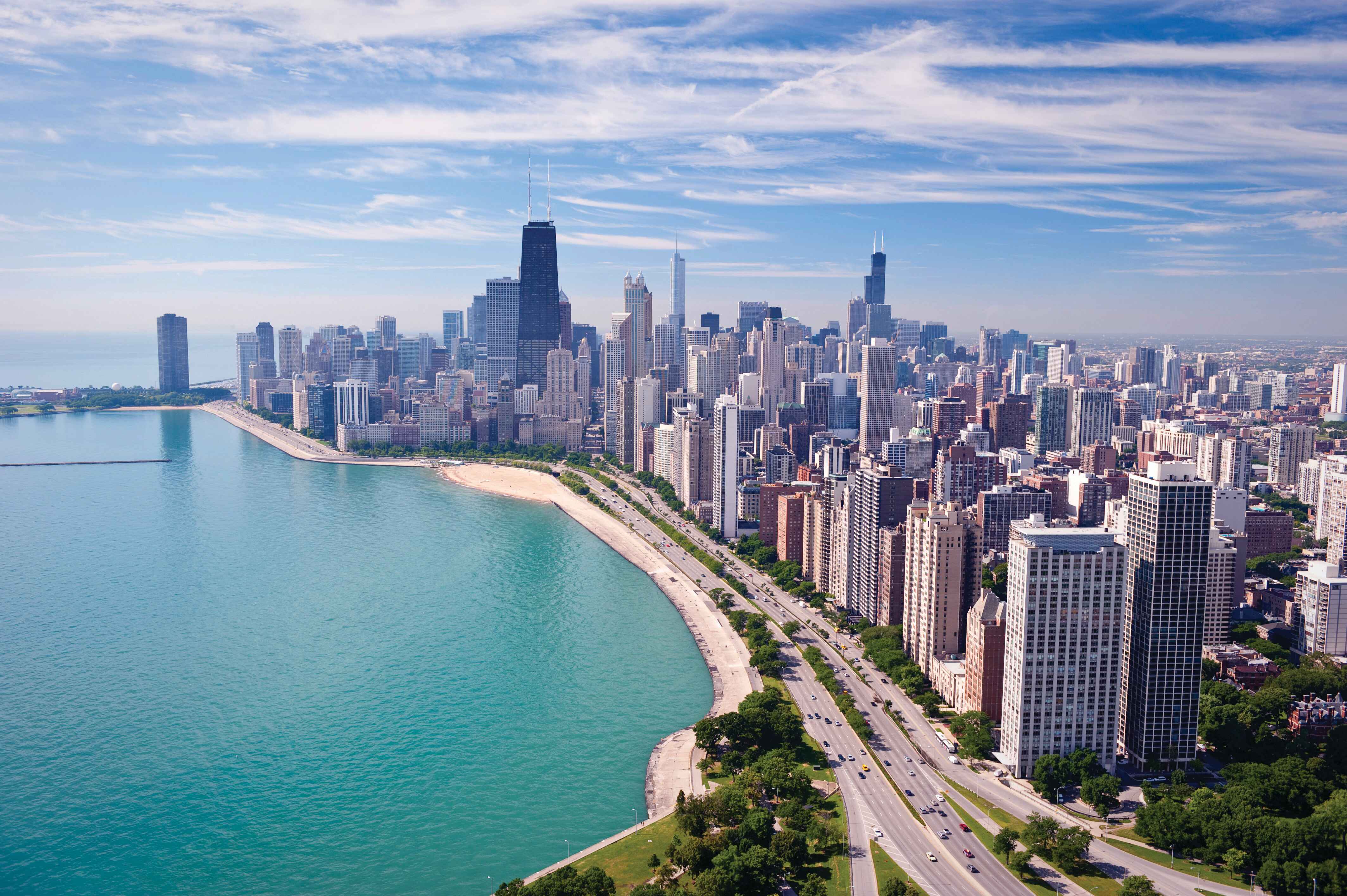
Enclosed shopping centers aren't dying; they're morphing. Across the metropolitan area, the Chicago mall renaissance is rewriting how large-scale indoor properties survive the digital age. Instead of relying strictly on apparel chains and department store anchors, properties from Oakbrook Center to suburban transit hubs are converting square footage into entertainment zones, medical offices, and mixed-use residential spaces.
This evolution centers on changing consumer habits. Shoppers don't visit physical properties just to pick up commodities they can order online with a single tap. They go for shared experiences, dining, and community connection. Property owners who treat their footprints as dynamic lifestyle centers rather than passive retail boxes are seeing foot traffic rebound.
The Shift From Retail Boxes to Mixed-Use Hubs
Traditional indoor centers used to follow a predictable formula: three major department stores anchoring opposite ends of a long corridor lined with clothing shops. When those department stores downsized or filed for bankruptcy, millions of square feet went dark. Property managers couldn't fill those massive footprints with standard apparel tenants.
Instead, developers turned to adaptive reuse. Former department store wings now house wellness centers, grocery stores, and coworking spaces. By diversifying tenants, operators insulate themselves against single-sector downturns.
- Healthcare Integration: Urgent care clinics, physical therapy offices, and specialty medical practices now occupy prime retail locations because patients appreciate easy parking and accessible ground-floor entry.
- Residential Proximity: Forward-thinking developments are tearing up asphalt parking lots to build multi-family apartment complexes right next to the concourse.
- Educational and Civic Spaces: Libraries, community college extension campuses, and local art galleries regularly lease vacant retail units to draw steady weekday crowds.
Experiential Entertainment as Foot Traffic Drivers
E-commerce handles routine purchases efficiently, but it can't replicate physical entertainment. Modern property strategies prioritize immersive attractions that require an in-person presence.
Operators bring in high-end food halls, boutique fitness clubs, and interactive entertainment venues like virtual reality arcades or competitive socializing concepts (think upscale bowling and pickleball courts). These tenants generate longer dwell times. When visitors stay for dinner and a movie after shopping, they spend more money on site and form a positive psychological association with the physical space.
For example, large-scale entertainment concepts replace old inventory with attractions designed to look good on social media. This draws younger demographics who treat indoor destinations primarily as social gathering spots rather than shopping outlets.
Omnichannel Integration and Digital Infrastructure
Physical spaces can't ignore digital tools; they have to integrate them. Successful property operators treat their buildings as fulfillment nodes as well as shopping floors.
- Buy Online, Pick Up In-Store (BOPIS): Dedicated parking spots and streamlined lockers let customers grab online orders without wandering through the entire building.
- Smart Infrastructure: Property managers use Internet of Things (IoT) sensors to track foot traffic patterns, optimize climate control, and adjust energy usage dynamically.
- Augmented Reality Navigation: Digital kiosks and mobile apps help visitors find specific stores, check restaurant wait times, and access localized promotions.
Common Mistakes Property Developers Make
When trying to spark a revival, developers often stumble by repeating outdated playbooks. Avoiding these missteps is critical for long-term survival.
- Over-indexing on luxury brands: While high-end retail works in select wealthy zip codes, forcing luxury tenants into middle-market corridors usually leads to high vacancy rates.
- Ignoring the food and beverage mix: Relying on a standard food court with fast-food chains fails to attract modern consumers who view dining as a primary reason to visit.
- Neglecting common area maintenance: If seating areas look dated, Wi-Fi is spotty, and lighting is dim, visitors won't linger. Capital investment must target shared spaces, not just storefronts.
Frequently Asked Questions
Why are traditional indoor malls struggling in the first place?
The rise of e-commerce made buying everyday goods more convenient online. Additionally, the overbuilding of retail space in the late 20th century left many markets over-retailed, making consolidation inevitable when consumer habits shifted.
What types of non-retail tenants are most successful in malls?
Fitness centers, medical clinics, entertainment venues like food halls or cinemas, and coworking spaces perform best because they draw consistent, loyal foot traffic that traditional retail alone cannot generate.
How do modern indoor destinations fund these massive renovations?
Property owners typically use a mix of private equity, commercial real estate loans, and municipal tax incentives (such as Tax Increment Financing districts) geared toward urban renewal and job creation.
Are open-air lifestyle centers replacing enclosed malls entirely?
Not entirely. While open-air centers gained popularity due to lower maintenance costs and open-air preferences, enclosed properties offer climate-controlled environments that thrive during harsh winter weather, making them uniquely viable in northern markets.
For further insights on commercial real estate trends, explore reports from the Urban Land Institute and analysis provided by CBRE. Property strategies continue to evolve as consumer expectations shift toward community-centric models.


: Complete Survey Guide and Rewards](https://www.simpleeverydaymom.com/wp-content/uploads/2023/10/Pilgrim-Photo-Craft-for-Thanksgiving-image-559x1024.jpg)