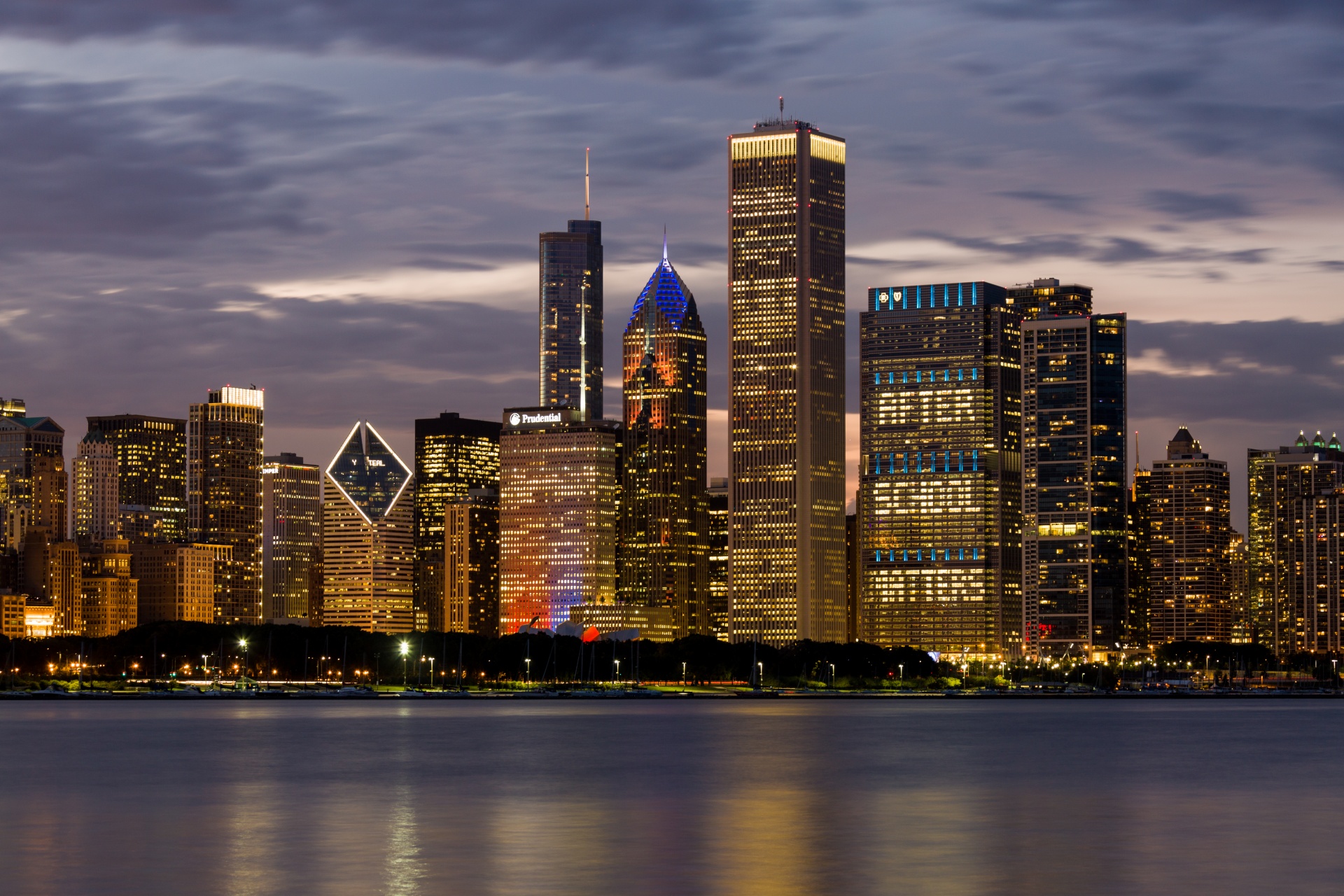
In October 1992, Chicago stood at a crossroads of political shifts, cultural milestones, and economic restructuring. While the national spotlight focused intensely on the closing weeks of the 1992 United States presidential election, the city itself was navigating profound transformations in its labor markets, artistic institutions, and sports fandom. Far from being a quiet autumn month, October 1992 captured the complexities of a Midwestern metropolis adapting to the twilight of the twentieth century.
The primary search intent behind exploring this period centers on understanding how local events in Chicago intersected with broader national trends during a culturally rich and politically charged era. The competitor article offers a broad overview, but it misses crucial historical accuracy, specific local context, economic realities, and detailed timelines of what actually unfolded in the city during that specific month. Let's look at what truly defined Chicago in October 1992.
The 1992 Presidential Campaign Heat in Cook County
National politics dominated local news cycles as the race between incumbent President George H.W. Bush, challenger Bill Clinton, and independent candidate Ross Perot entered its final stretch. Cook County and the city of Chicago served as vital urban strongholds for the Democratic campaign, which utilized targeted voter registration drives across historically Black neighborhoods on the South and West sides.
Unlike rural or suburban battlegrounds, Chicago's political machine and independent community organizations mobilized thousands of volunteers. The Clinton-Gore campaign focused heavily on economic anxiety, capitalizing on post-industrial frustrations. Precinct captains and local leaders worked overtime to drive turnout, anticipating that high numbers in Cook County would offset suburban splits across Illinois.
Local Polling and Voter Enthusiasm
Polls published by the Chicago Tribune in mid-October 1992 showed Clinton holding a commanding lead within city limits, mirroring the broader trends across major American urban centers. However, voter fatigue was real. Neighborhood groups organized forums addressing urban disinvestment, public housing concerns, and rising crime rates, demanding that national candidates speak directly to municipal challenges rather than broad abstract slogans.
Cultural Landmarks and the Arts Scene
Away from the campaign trail, Chicago's cultural institutions experienced a vibrant autumn. The Art Institute of Chicago drew massive crowds with its ambitious exhibition schedules, while neighborhood theater companies and music venues cemented the city's reputation as an independent arts incubator.
The underground music scene, in particular, was bubbling beneath the surface. Independent venues in Wicker Park and Wrigleyville hosted emerging alternative rock bands that would soon dominate national charts, capturing a gritty, DIY ethos that contrasted sharply with the corporate pop culture of the late 1980s. Bookstores, poetry slams, and independent art galleries flourished, giving voice to a diverse generation of creators who viewed Chicago as an affordable alternative to New York or Los Angeles.
Economic Pressures and Industrial Shift
Beneath the cultural vibrancy, Chicago's economic foundation faced severe stress. October 1992 underscored the painful transition from a manufacturing-heavy economy to a service- and information-based labor market. Several legacy steel mills and manufacturing plants in the Chicago industrial corridor announced downsizing or outright closures, affecting thousands of blue-collar families.
Unions pushed back against plant relocations, organizing rallies and demanding intervention from city hall. Local economists pointed out that while downtown office development and financial services were expanding, the loss of unionized manufacturing jobs left a permanent scar on neighborhoods historically reliant on heavy industry. This tension created a distinct sense of economic uncertainty for working-class households as winter approached.
Sports Fever: The Bulls and the Fall Classic
Sports offered a much-needed diversion from political and economic anxiety. The Chicago Bulls were fresh off their second consecutive NBA championship and anticipation for the upcoming 1992-1993 season was reaching a fever pitch. Michael Jordan and Scottie Pippen were household names across the globe, and training camp in October set the stage for their historic quest for a three-peat.
Meanwhile, across town, the Chicago Cubs and Chicago White Sox were analyzing their respective baseball seasons, with fans eagerly discussing roster adjustments for the following spring. Sports radio talk shows and local newspapers buzzed with commentary, cementing sports as the ultimate social glue across Chicago's diverse neighborhoods.
Frequently Asked Questions
Who was the mayor of Chicago in October 1992?
Richard M. Daley served as the mayor of Chicago in October 1992, leading the city through a period of downtown expansion and neighborhood redevelopment.
How did Chicago vote in the 1992 presidential election?
Cook County and the city of Chicago voted overwhelmingly for Democratic nominee Bill Clinton, helping him secure the state of Illinois's electoral votes.
What major economic challenges did Chicago face in late 1992?
The city faced ongoing deindustrialization, including the closure and downsizing of several local manufacturing plants and steel-related facilities, which heavily impacted blue-collar employment.
Where can I learn more about Chicago's history in the 1990s?
You can explore historical archives and digital collections hosted by the Chicago History Museum and the Library of Congress for primary source documents, photographs, and newspaper records from the era.



