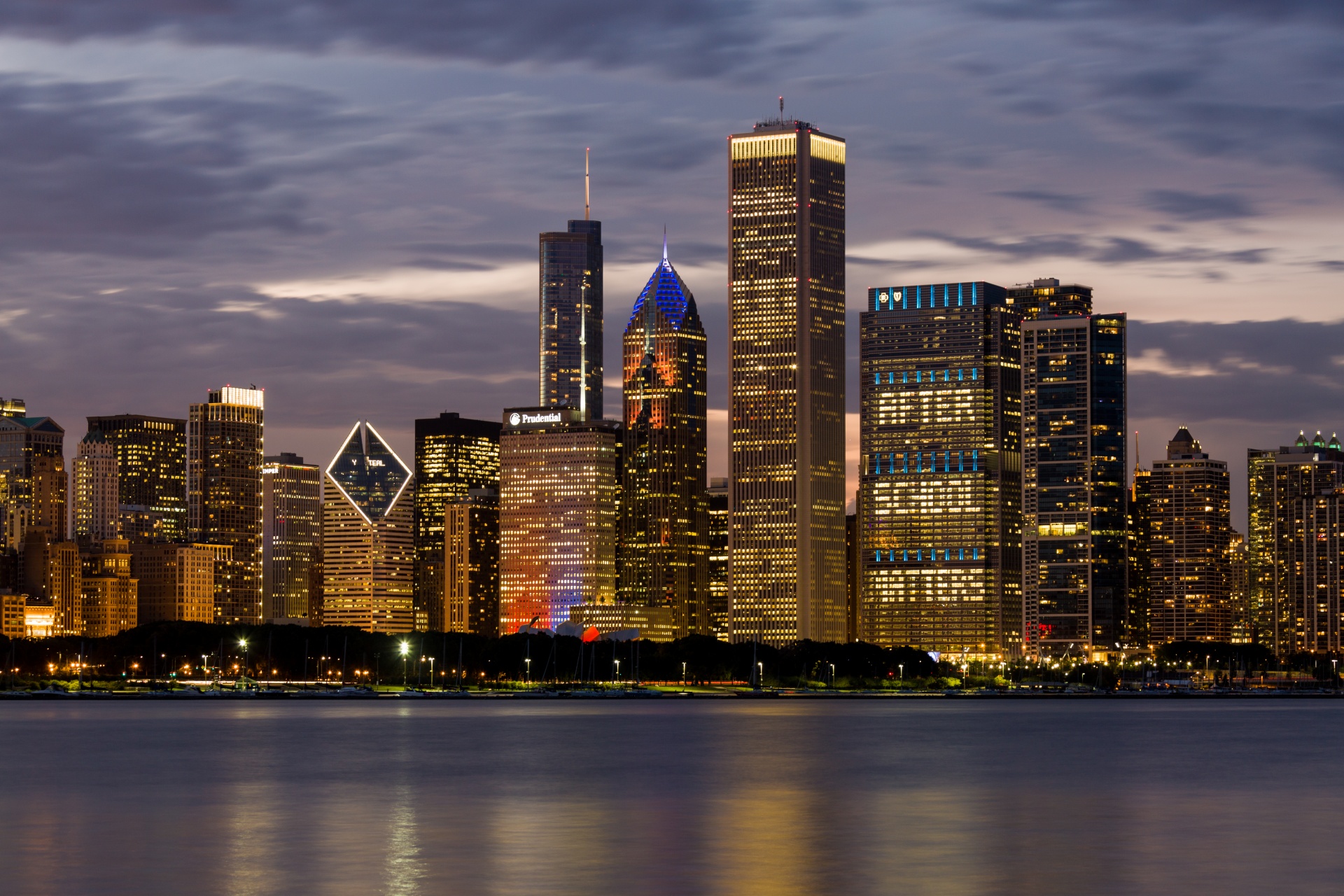
Navigating downtown Chicago starts with understanding its most prominent postal boundary: the 60601 zip code. Centered squarely in the historic Loop and stretching north to the Chicago River, this district acts as the commercial, architectural, and cultural backbone of the city. If you're planning a move, mapping out a business location, or exploring the urban core, grasping how this specific zone functions will save you time and orientation headaches.
Unlike sprawling residential neighborhoods on the city's periphery, 60601 is an intensely vertical environment packed with skyscrapers, corporate headquarters, transit hubs, and cultural institutions. It bridges the gap between the bustling financial district and the scenic lakefront, housing roughly 16,000 residents within a fraction of a square mile. Knowing its exact boundaries, transit links, and everyday realities helps you navigate downtown like a local rather than a lost tourist.
Geographic Boundaries and Layout
The 60601 zip code covers a distinct slice of downtown Chicago, bound primarily by the Chicago River to the north and east, Michigan Avenue to the east, Madison Street or nearby downtown corridors to the south, and State Street or Dearborn Street cutting through the western edges. It sits entirely within Cook County and forms the northeastern quadrant of the broader Chicago Loop.
Walking through this zip code reveals a strict grid system that makes navigation predictable once you learn the baseline numbers.
- North boundary: The winding Chicago River, offering iconic views of the Wrigley Building and the Tribune Tower.
- East boundary: Michigan Avenue, bordering Millennium Park and the Historic Michigan Boulevard District.
- South boundary: Reaches down toward the central retail and theater blocks.
- West boundary: Extends across the inner core toward the dynamic financial towers lining Dearborn and Clark streets.
Architectural Landmarks and Key Attractions
You can't talk about 60601 without looking at the sheer concentration of world-famous architecture packed into its blocks. This zone contains some of the tallest and most recognizable skyscrapers in the United States, alongside major cultural amenities that draw millions of visitors annually.
Millennium Park sits right on the eastern edge of this postal zone. Visitors flock here to see Cloud Gate—affectionately known as "The Bean"—and catch outdoor concerts at the Jay Pritzker Pavilion. Just north across the river sit historic structures like the Wrigley Building and theMART, anchoring the commercial vitality of the area.
For arts enthusiasts, the North Loop theater district brings Broadway in Chicago productions to historic stages like the Nederlander Theatre and the Goodman Theatre. These venues drive massive foot traffic into 60601 every single evening, transforming a corporate daytime hub into a vibrant nightlife destination.
Transportation and Commuting Infrastructure
Getting into and around the 60601 zip code is straightforward thanks to Chicago's extensive transit network managed by the Chicago Transit Authority (CTA) and Metra commuter rail lines.
If you're arriving by train, multiple CTA subway and elevated lines cut directly through or adjacent to 60601. The Red Line runs right under State Street, with stops like Lake providing instant access to the heart of the district. The Brown, Green, Orange, Pink, and Purple lines loop around the western and southern edges of this zone, connecting neighborhoods across the city directly to downtown offices.
Commuters coming in from the suburbs frequently utilize Metra stations such as Millennium Station and Ogilvie Transportation Center, both of which sit within or immediately adjacent to this downtown sector. For regional travel, the Metra system provides reliable daily service straight into the central business district.
Street parking within 60601 is notoriously scarce, expensive, and heavily regulated. Most residents and daily workers rely entirely on underground parking garages, rideshare services, or walking. Because the streets are laid out on a precise grid, walking from one end of the zip code to the other rarely takes more than fifteen minutes, making pedestrian transit the most efficient choice for daily errands.
Demographics and Residential Living
While downtown Chicago is primarily known as a place of business, the residential population inside 60601 has grown significantly over the past two decades. High-rise luxury apartment buildings and converted office towers now house thousands of permanent residents.
The local demographic skews heavily toward young professionals, single adults, and empty nesters. According to census data, the median household income in 60601 sits comfortably above six figures, reflecting the high cost of high-rise living in the heart of the city. Housing stock consists almost entirely of multi-family high-rise units, condominiums, and rental apartments rather than single-family homes.
Living here means trading square footage for unbeatable convenience. Grocery stores, dry cleaners, fitness centers, and world-class restaurants are usually just an elevator ride and a short walk away. However, it also means dealing with urban noise, sirens, tourist crowds during peak summer months, and limited green space outside of nearby Millennium Park and Maggie Daley Park.
Common Mistakes to Avoid
Visitors and newcomers often make specific missteps when navigating or relocating to the 60601 area. Avoiding these traps ensures a smoother downtown experience.
- Confusing mailing addresses with neighborhoods: Many people assume every downtown address is part of "The Loop," but downtown Chicago comprises multiple overlapping zip codes like 60602, 60603, and 60611. Always double-check the five-digit code before sending mail or booking transport.
- Underestimating winter weather: The urban wind tunnel effect caused by tall skyscrapers along the Chicago River and Michigan Avenue makes winter temperatures feel drastically colder than the actual forecast. Dress in windproof layers.
- Driving downtown: Trying to navigate 60601 by car during rush hour leads to frustrating delays and exorbitant parking fees. Use public transit whenever possible.
- Ignoring CTA Ventra cards: Trying to pay for buses with exact cash is slow and outdated. Purchase a Ventra card or use contactless smartphone payments to board transit seamlessly.
Frequently Asked Questions
What exact area does zip code 60601 cover?
Zip code 60601 covers the northeastern section of downtown Chicago, bounded roughly by the Chicago River to the north and east, Michigan Avenue to the east, and extending into the central Loop business district.
Is 60601 a safe area to live and visit?
Like any major global metropolitan downtown core, 60601 experiences standard urban crime, but it maintains a heavy police presence, private security patrols, and high foot traffic that make it generally secure for workers, residents, and tourists during day and evening hours.
What are the closest parks within 60601?
While the zip code itself is dense with concrete and glass, it sits directly adjacent to Millennium Park and Maggie Daley Park along Michigan Avenue, offering sprawling green spaces, ice skating ribbons, and public art installations.
How do I find my specific ZIP+4 code for mail in 60601?
Because 60601 contains numerous massive commercial high-rises and large apartment complexes, individual offices and residential units often have unique four-digit extensions. You can verify exact nine-digit postal codes directly through the USPS Lookup Tool by entering the full street address.



