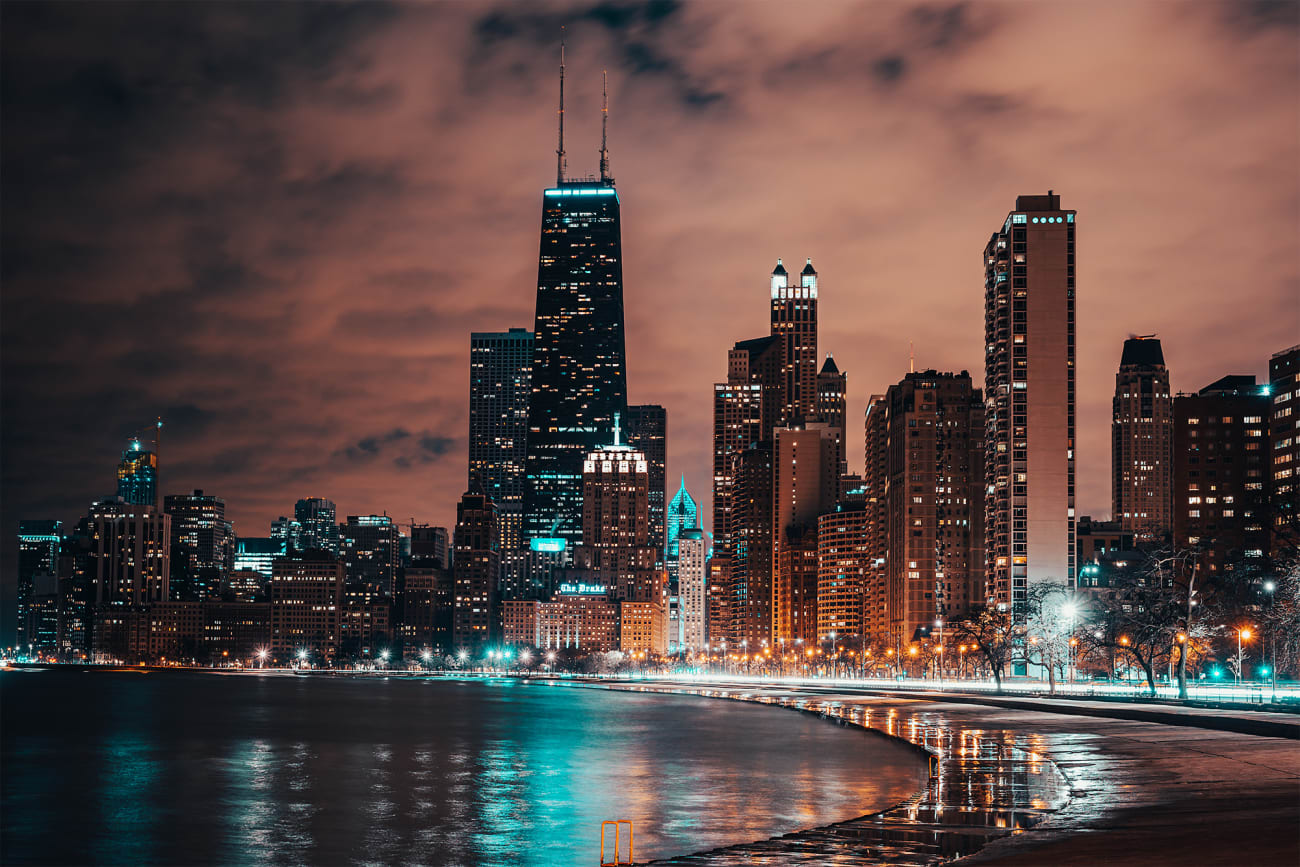
Navigating phone numbers in Chicago requires understanding a mix of historic splits and modern overlays that span the city's dense urban grid. Whether you're setting up a local office, launching a marketing campaign, or trying to figure out why your phone requires ten digits for a local call, the city's telephone prefix system tells a distinct geographic story. Three primary codes cover the city limits of Chicago: 312, 773, and 872. Knowing which code goes where prevents dialing errors and helps businesses establish the right local presence.
The core layout divides the city by geography and era. The 312 code anchors downtown and the Loop, 773 blankets the surrounding residential neighborhoods, and 872 acts as an overlay spanning both regions. Because these codes overlap within the same physical boundaries, local dialing rules require entering the full ten digits for every call.
The Core Chicago Area Codes Explained
Chicago's numbering plan evolved through decades of rapid urban growth. What started as a single blanket code for the entire metropolitan area eventually fractured into specialized zones to accommodate millions of new lines.
The 312 Area Code: Downtown and the Loop
The 312 code is the historic heart of Chicago telecommunications. Established in 1947 as one of the original North American area codes, it once covered the entire city and its surrounding suburbs. Today, it is tightly restricted to the downtown core.
- Geographic Coverage: The Loop, the financial district, River North, the Gold Coast, the Near North Side, and the Near West Side.
- Business Perception: Highly prestigious. Holding a 312 number signals a physical presence in the city's commercial hub, making it a favorite for law firms, financial institutions, and corporate agencies.
- Availability: Because of its high demand and limited geographic footprint, obtaining a fresh native 312 number can be competitive, prompting many businesses to use VoIP providers to secure one.
The 773 Area Code: The Neighborhoods
As phone demand surged in the late twentieth century, downtown businesses fought to keep their 312 numbers while residential lines needed room to grow. In 1996, the 773 code split off to cover everything outside the downtown boundary.
- Geographic Coverage: Neighborhoods outside the central core, including Lincoln Park, Lakeview, Wicker Park, Hyde Park, Rogers Park, and the South and West Sides.
- Business Perception: Community-oriented and established. A 773 number tells customers your business operates directly within Chicago's vibrant residential and commercial neighborhoods rather than just a downtown corporate office.
- Availability: Widely distributed across millions of households, service providers, and local storefronts.
The 872 Area Code: The Citywide Overlay
By 2009, the rapid expansion of mobile phones and data devices exhausted the available pool of 312 and 773 numbers. Instead of carving out another geographic split, regulatory bodies introduced the 872 area code as an overlay.
- Geographic Coverage: Identical to the combined 312 and 773 zones. An 872 number is not tied to a specific neighborhood; it can belong to a law office in the Loop or an apartment in Andersonville.
- Business Perception: Modern and functional. While it lacks the historic weight of 312, it is fully recognized as a legitimate Chicago local code.
- Availability: Highly accessible for new businesses and personal devices seeking a local footprint without fighting over legacy prefixes.
Surrounding Suburban Codes to Know
If you look just outside the official city limits, Cook County and the surrounding collar counties operate on entirely different prefixes. Confusing these can lead to misrouted communications or unexpected toll configurations on older business phone plans.
- 708 Area Code: Covers the south and western suburbs of Cook County, including Oak Park, Cicero, Orland Park, and Tinley Park.
- 847 and 224 Area Codes: Serve the northern and northwestern suburbs, spanning areas like Evanston, Schaumburg, Waukegan, and Des Plaines.
- 630 and 331 Area Codes: Handle the western suburbs in DuPage and Kane counties, including Naperville, Aurora, and Wheaton.
According to the North American Numbering Plan Administrator, overlay codes are assigned dynamically as pools deplete, meaning businesses operating across the metropolitan area must pay close attention to county lines.
How to Dial Local Chicago Phone Numbers
Because the 872 code overlays both the 312 and 773 territories, two different people sitting across the street from each other can have completely different three-digit prefixes. This design choice eliminated seven-digit local dialing.
- The Ten-Digit Rule: You must dial the area code plus the seven-digit phone number for every local call within Chicago. Dialing only seven digits will result in a recorded intercept message prompting you to complete the number correctly.
- Saving Contacts: When storing local contacts in your mobile phone or enterprise CRM, always save them in standard E.164 format or with the explicit 10-digit format (for example, 312-555-0143) to prevent connection errors.
- Dialing Out: When calling Chicago from outside the region, preface the ten-digit number with a 1, matching standard North American dialing conventions.
Choosing the Right Number for Your Business
If you're establishing a commercial presence in the region, the prefix you choose sends a subtle psychological signal to prospective clients.
- Go with 312 if: Your enterprise targets corporate clients, legal services, financial consulting, or high-end downtown retail. It removes friction for customers who associate downtown addresses with industry authority.
- Go with 773 if: Your customer base is hyper-local, decentralized, or rooted in the neighborhoods. Contractors, home service providers, and neighborhood eateries often benefit from the approachable feel of a 773 prefix.
- Go with 872 if: You need immediate phone line provisioning without restrictions and plan to scale rapidly across multiple city zip codes.
For official regulatory guidelines on telecommunications standards and numbering administration, reference the documentation provided by the Federal Communications Commission.
Frequently Asked Questions
Can I port my existing Chicago phone number to a VoIP provider?
Yes. Number portability laws allow you to transfer active numbers—whether 312, 773, or 872—between traditional carriers and cloud-based phone systems without losing your established contact information.
Do I need to dial 1 before a local Chicago number?
For landlines and cell phones within the city, you typically dial the 10-digit number directly. If you are calling from a business PBX system configured for external routing, you may need to prefix the string with a 9 or a 1 depending on your office network setup.
Are 312 and 872 numbers interchangeable?
Functionally, yes. Both codes operate in the exact same geographic region and follow identical calling rules. The primary difference lies in brand perception and how long the prefix has been active in the market.
What time zone do Chicago phone numbers operate in?
All Chicago area codes operate in the Central Time Zone, observing Central Standard Time (CST) in the winter and Central Daylight Time (CDT) in the summer. Keep this schedule in mind when coordinating calls from Eastern or Pacific offices.



