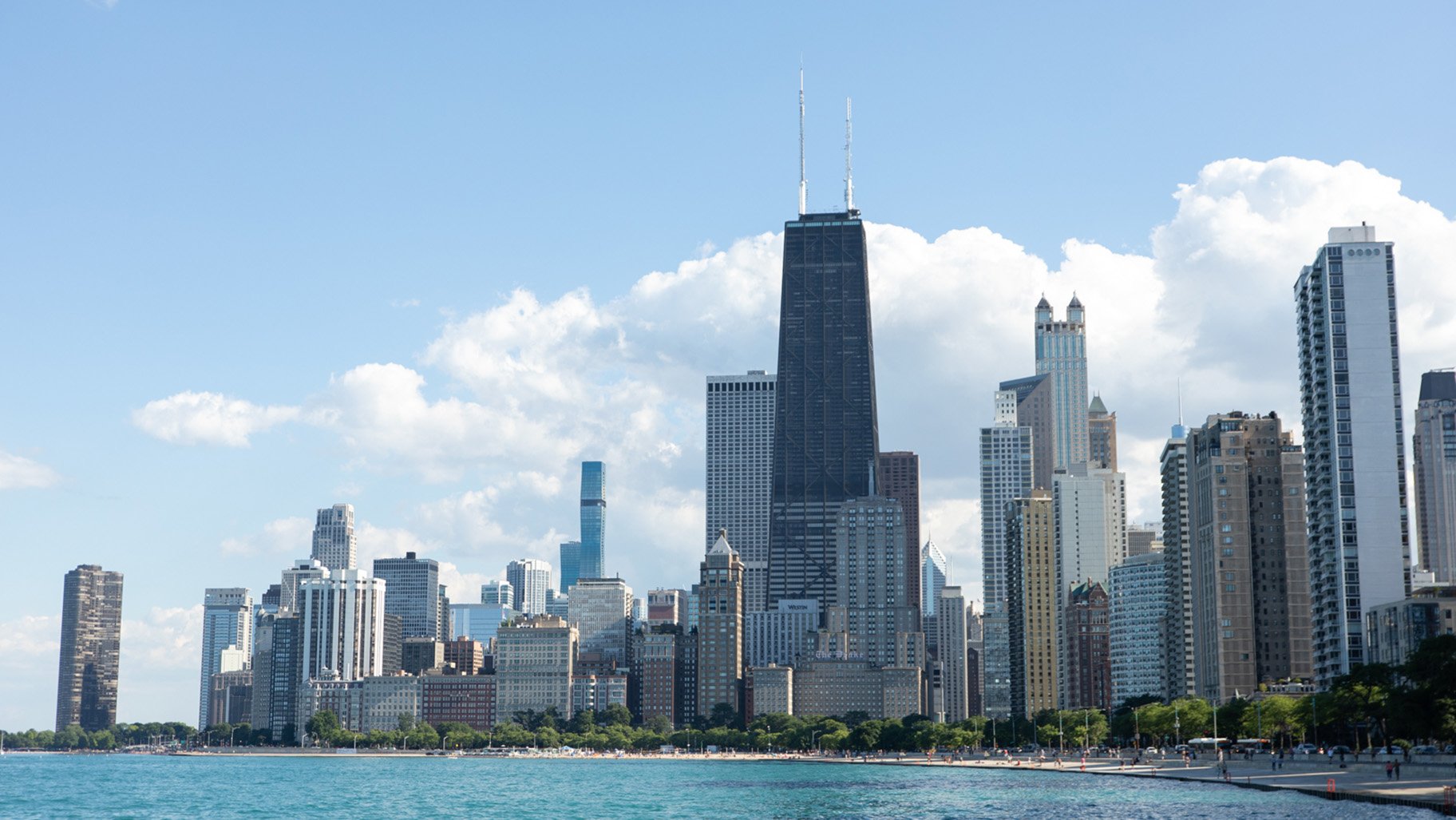
Choosing where to study dentistry shapes the next decade of your professional life, especially in a major healthcare hub like Chicago. Aspiring dental students face rigorous prerequisites, competitive admissions statistics, and significant financial commitments before ever stepping into a clinical simulation lab. Chicago hosts prominent dental institutions with distinct clinical philosophies, patient demographics, and board pass rates that demand careful comparison.
Securing admission to a Chicago dental program requires a competitive DAT score, typically above a 20, alongside a strong undergraduate science GPA usually sitting near 3.5 or higher. Applicants must balance prerequisite coursework in biochemistry, anatomy, and physics with hands-on shadowing and community service hours. This guide breaks down the specific expectations, school options, and strategic steps needed to earn your DDS in the Windy City.
Overview of Chicago Dental Programs
Chicago is home to three major dental schools, each offering a Doctor of Dental Surgery (DDS) degree backed by extensive clinical training facilities. These institutions draw applicants from across the nation due to their robust patient pools and specialized research opportunities.
University of Illinois Chicago College of Dentistry
UIC College of Dentistry sits within a major academic medical center on the city's West Side. The program emphasizes both advanced research and hands-on patient care, serving thousands of local residents through its comprehensive clinics. Students benefit from an integrated curriculum that bridges foundational biomedical sciences with early clinical exposure.
- Class Size: Approximately 70 to 75 students per cohort.
- Clinical Training: Students begin working with simulated patients early in the first year before transitioning to the comprehensive care clinic.
- Research Focus: Strong funding for clinical trials and biomaterials research.
Midwestern University College of Dental Medicine-Illinois
Located in Downers Grove, just outside Chicago proper, Midwestern University operates a modern facility equipped with advanced dental technology. The curriculum places heavy emphasis on private practice management and clinical readiness, preparing graduates to enter private practice or group settings immediately upon licensure.
- Class Size: Larger cohorts, typically around 140 to 150 students.
- Facilities: State-of-the-art simulation labs mirroring private dental offices.
- Community Outreach: Mandatory rotations in underserved community health clinics across Illinois.
Northwestern University and Historical Context
While Northwestern University's historic dental school closed its doors in 2001, students often search for it when exploring Chicago options. Today, prospective students choose between UIC, Midwestern, and nearby regional options like the American Dental Association accredited programs across the state of Illinois when planning their applications.
Admission Requirements and Prerequisites
Getting into a Chicago dental program demands meticulous planning during your undergraduate years. Admissions committees evaluate candidates holistically, but academic metrics serve as the initial filter.
Required Coursework
Most programs share a strict prerequisite checklist. You need to complete these courses at an accredited four-year institution before matriculation:
- Biology: Two semesters with general labs, plus upper-level courses like microbiology or physiology.
- Chemistry: One year of general chemistry and one year of organic chemistry, both with mandatory labs.
- Biochemistry: Increasingly required as a standalone upper-level course.
- Physics: One year of general physics with labs.
- English: Two semesters focusing on composition and critical analysis.
The Dental Admission Test (DAT)
Your DAT score serves as a standardized baseline for comparing applicants from diverse undergraduate backgrounds. The exam covers four sections: Natural Sciences, Perceptual Ability, Reading Comprehension, and Quantitative Reasoning.
Competitive applicants targeting Chicago institutions generally aim for academic average and perceptual ability scores of 20 or higher. Preparing for this exam requires three to six months of dedicated study, often utilizing question banks and full-length practice tests provided by the American Dental Education Association.
The Application Timeline
The dental school application cycle moves rapidly, operating on a rolling admissions basis. Applying early significantly boosts your chances of receiving interview invites.
Year-by-Year Breakdown
- Junior Year (Spring): Take the DAT and finalize your list of target schools. Request letters of evaluation from science professors and a practicing dentist.
- May to June: The AADSAS portal opens. Submit your primary application as close to the opening date as possible.
- July to October: Complete secondary applications specific to UIC and Midwestern. Pay close attention to supplemental fee deadlines and essay prompts.
- August to February: Attend virtual or in-person interviews. Prepare by reviewing your personal statement and practicing ethical scenario responses.
- December to March: Receive acceptance offers through the traffic rules established by dental admissions organizations.
Navigating Tuition and Financial Planning
Dental school represents a major financial investment. Tuition, fees, living expenses, and equipment costs can accumulate rapidly over four years.
In-state tuition at public institutions like UIC offers some financial relief for Illinois residents, though out-of-state tuition and private program costs remain high. Students typically rely on federal unsubsidized loans, Grad PLUS loans, and occasional health professions scholarships through the military or public health service.
Budgeting Beyond Tuition
When calculating your total cost of attendance, don't forget auxiliary expenses:
- Instrument Kits: Dental students must purchase specialized handpieces, loupes, and diagnostic tools, often costing thousands of dollars upfront.
- Board Exams: Budget for National Board Dental Examination (NBDE) Part I and Part II fees, plus regional clinical licensing exam costs.
- Living in Chicago: Rent varies significantly depending on whether you live near the Illinois Medical District or commute from surrounding neighborhoods.
Common Mistakes to Avoid
Applicants frequently stumble on avoidable pitfalls during the admissions process. Keep these missteps in mind as you build your portfolio:
- Applying with weak shadowing hours: Admissions committees want proof that you understand the daily realities of dentistry. Aim for at least 100 hours shadowing general dentists and specialists.
- Ignoring manual dexterity: Dentistry requires fine motor skills. Highlight hobbies that demonstrate hand-eye coordination, such as sculpting, painting, or playing musical instruments.
- Missing secondary deadlines: Treat secondary applications with the same urgency as your primary application. Submitting them weeks late can push your file to the bottom of the review pile.
Frequently Asked Questions
What undergraduate major is best for dental school?
You don't need to major in biology or chemistry. While science majors complete prerequisites naturally, admissions committees accept any major as long as you maintain a high science GPA and complete all required prerequisite courses.
How many shadowing hours do I need?
Most programs recommend between 100 and 150 hours. Quality matters more than quantity; shadowing multiple dentists across various specialties provides a broader perspective than watching a single dentist for months.
Are interviews required for Chicago dental schools?
Yes. Every accredited dental program in the region requires an interview as part of the final evaluation process. Interviews may use traditional formats, multiple mini-interviews (MMIs), or situational judgment tests.
Can out-of-state students realistically gain admission to UIC?
Yes, UIC accepts a percentage of out-of-state applicants, though the competition is fierce. Private options like Midwestern University enroll larger, geographically diverse cohorts from across the country.



