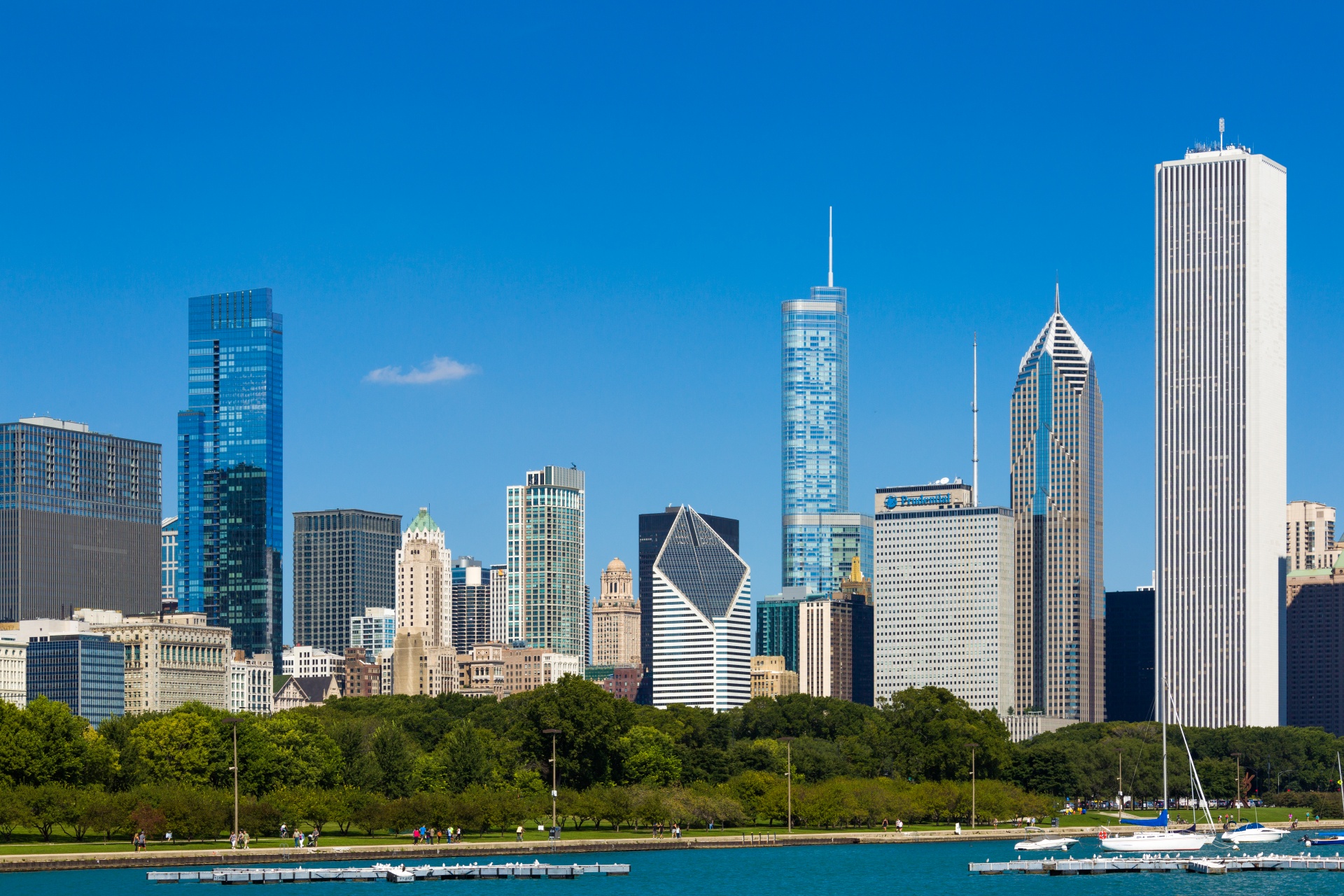
Living in Chicago means dealing with dramatic weather shifts, and those seasonal changes bring heavy doses of airborne irritants. The annual Chicago area allergy report pinpoints tree pollen, grass pollen, and ragweed as the main drivers of seasonal misery across Cook County. If you live in the Windy City, your immune system likely battles these specific triggers for most of the calendar year.
Managing these symptoms requires knowing precisely when each allergen peaks and how local urban geography affects pollen circulation. Lake Michigan breezes, dense concrete architecture, and fluctuating spring temperatures create unique microclimates that trap and swirl allergens through neighborhoods from Rogers Park down to Beverly. Let's break down the major culprits, look at practical mitigation strategies, and answer common questions about surviving allergy season in Chicago.
Tree Pollen: The Spring Surge
Tree pollen kicks off the Chicago allergy calendar long before the weather feels genuinely warm. Typically starting in March and stretching through May, local oak, elm, and birch trees release billions of fine grains into the air. Urban street trees and the mature canopies in neighborhoods like Hyde Park or Lincoln Park generate dense concentrations of pollen that settle heavily on parked cars and sidewalks.
Common tree species driving local reactions include:
- Oak trees: These giants produce massive amounts of lightweight pollen that travels easily on lake winds.
- Elm trees: Often among the earliest bloomers, triggering symptoms before winter finishes fading.
- Birch trees: Highly allergenic, cross-reacting frequently with certain raw fruits and vegetables in a condition known as oral allergy syndrome.
When tree pollen counts spike, symptoms hit fast. You'll notice persistent sneezing, clear nasal discharge, and itchy, watery eyes. Because Chicago spring days often feature high winds coming off the lake, pollen gets whipped around at street level, making simple walks down the block challenging for sensitive individuals.
Grass Pollen: Summer Discomfort
Just as tree pollen fades in late spring, grass pollen takes over, dominating June, July, and August. Chicago parks, suburban lawns, and highway medians produce steady waves of grass irritants during these warm months.
Frequent grass varieties in the region include:
- Timothy grass: A major agricultural and lawn grass that releases heavy pollen loads during early summer.
- Orchard grass: Thrives in shaded park areas and along paths, blooming steadily through mid-summer.
- Sweet vernal grass: One of the earliest grasses to shed pollen, overlapping with the tail end of tree season.
Summer in Chicago draws everyone outdoors to street festivals, Cubs games, and lakefront beaches. Unfortunately, spending hours outside during peak grass pollination leads to severe nasal congestion, sinus pressure, and skin irritation. Humidity spikes during Chicago summers can also trap ground-level pollutants, combining with grass pollen to worsen asthma and allergy flares.
Ragweed: The Fall Finale
As summer winds down, ragweed takes center stage from August until the first hard autumn freeze, usually in October. A single ragweed plant can produce up to a billion pollen grains, which remain airborne for miles. Urban vacant lots, railway corridors, and unmanaged patches across the region act as breeding grounds for this resilient weed.
Fall allergy symptoms often mimic a lingering cold that won't go away. Unlike spring or summer, autumn triggers can persist indoors if windows stay open during pleasant September evenings. Windy autumn storms sweep ragweed pollen across the entire metropolitan area, causing widespread sneezing fits and nighttime congestion that disrupts sleep.
Practical Allergy Management Strategies in Chicago
Waiting until symptoms peak means playing catch-up with your immune system. A proactive routine helps keep inflammation under control before it ruins your day.
- Monitor daily pollen counts: Check reliable forecasts from resources like the American Academy of Allergy, Asthma, and Immunology before heading outside. Plan outdoor workouts for early mornings or after heavy rain, when pollen counts dip.
- Seal your indoor spaces: Keep windows shut during high-pollen days, especially on windy afternoons. Run home air conditioning units equipped with HEPA filters to capture microscopic particles.
- Change clothes after outdoor trips: Pollen clings tightly to fabrics and hair. Stripping down and showering after a long afternoon outdoors stops you from transferring allergens onto your furniture and bed.
- Wear protective barriers: On high-count days, sunglasses keep stray pollen grains out of your eyes, and a lightweight face mask reduces inhalation during yard work or long walks.
- Rinse nasal passages: Use a saline rinse or neti pot with distilled water daily to physically flush trapped allergens out of your nasal cavities before they trigger an immune response.
Local medical centers like Northwestern Medicine and the University of Chicago Medicine regularly emphasize that long-term relief often requires identifying your exact triggers through skin or blood testing, paving the way for targeted treatments like immunotherapy.
Frequently Asked Questions
Does Lake Michigan make Chicago allergies better or worse?
It depends on wind direction. When lake breezes blow onshore, they can bring cleaner air, but they also create swirling wind tunnels between skyscrapers that trap and concentrate allergens at street level. On offshore wind days, pollen from inland areas sweeps directly across the city.
Can food allergies worsen seasonal pollen symptoms?
Yes. Oral allergy syndrome occurs because proteins in certain raw fruits, nuts, and vegetables share structural similarities with tree and weed pollens. If you suffer from birch allergies, eating raw apples or cherries might cause an itchy mouth or scratchy throat during spring.
When does the Chicago allergy season officially end?
The harsh winter freeze is the ultimate relief for Chicago allergy sufferers. Ragweed and lingering mold spores usually drop off sharply by late October or November, giving residents a few months of respite before tree pollen returns in March.
Are over-the-counter antihistamines enough for local allergens?
Many residents manage mild symptoms successfully with non-drowsy over-the-counter antihistamines or nasal steroid sprays. However, if symptoms interfere with your sleep, work, or breathing, consulting an allergist for prescription-strength options or customized treatment plans is the safest path forward.



