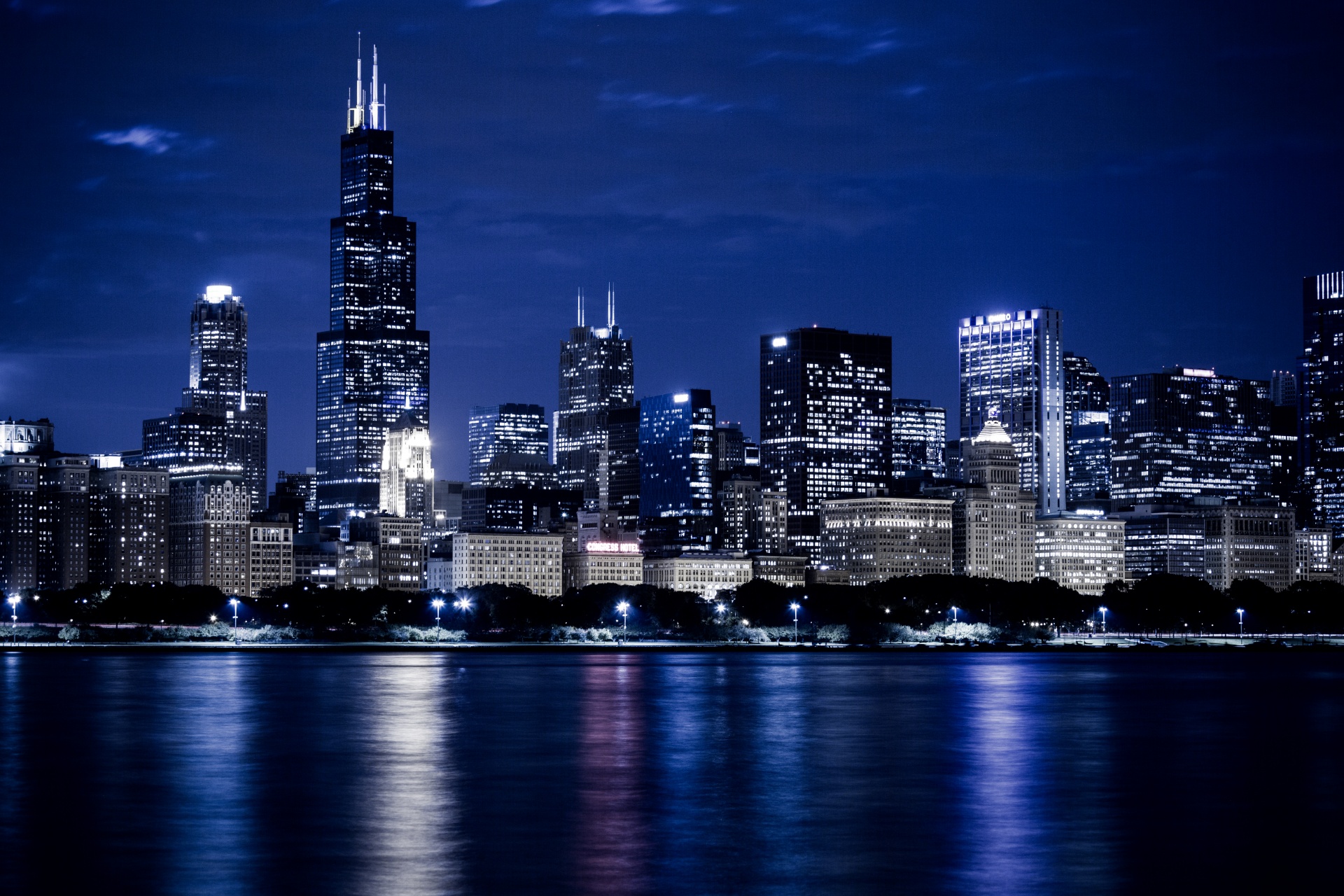
Chicago moves at a distinct cadence, entirely separate from the frantic, breakneck pace of coastal metropolises. Instead of constantly tearing down its history to chase the next trend, the city anchors its identity in a steady rhythm where nineteenth-century engineering coexists with cutting-edge urban design. You notice this duality the moment you walk down Michigan Avenue, where terracotta ornamentation faces sleek steel-and-glass towers.
Understanding how Chicago maintains this balance requires looking past the standard tourist narratives. This city doesn't preserve its past in a museum glass case; it repurposes old infrastructure into functional modern spaces. From the birth of the skyscraper to modern green roof initiatives, Chicago proves that honoring heritage and driving innovation can happen at the exact same time.
The Architectural Foundation: Innovation Born From Disaster
The modern trajectory of Chicago truly began in the ashes of the 1871 Great Chicago Fire. Rather than packing up and leaving the swampy shores of Lake Michigan, civic leaders and architects used the disaster as a blank slate. Louis Sullivan, Daniel Burnham, and John Wellborn Root pioneered structural techniques that changed global city design forever.
- The Skeleton Frame: Moving away from thick load-bearing masonry walls, engineers utilized steel frames to build taller, lighter structures.
- The Chicago School: A design philosophy prioritizing utility, large plate-glass windows, and minimal exterior ornamentation.
- The Burnham Plan of 1909: A comprehensive urban blueprint that protected the lakefront as public land for all residents.
These historic roots explain why Chicago's downtown feels grounded. When you look at the Rookery Building, designed by Burnham and Root and later updated by Frank Lloyd Wright, you see an explicit refusal to erase what came before. The iron lobby remains intact, even as high-speed fiber-optic cables power the financial firms operating on the upper floors. For another angle on this story, see the recent update from Reuters.
Adaptive Reuse: How Old Spaces Drive New Economies
Many global cities face a stark choice between total demolition or expensive stagnation. Chicago bypasses this false binary through aggressive adaptive reuse projects. Historic warehouses in neighborhoods like the West Loop transformed from meatpacking hubs into global culinary destinations without losing their heavy timber frames and ghost-sign brickwork.
Consider the transformation of industrial corridors along the Chicago River. For decades, the river was treated as a utilitarian industrial drain. Today, the Chicago Riverwalk serves as a pedestrian oasis woven directly underneath historic bascule bridges.
- The Merchandise Mart: Once the largest building in the world by floor area, it evolved from a wholesale warehouse into a tech and design hub hosting major digital infrastructure.
- Old Post Office: Left vacant for decades, this massive Art Deco structure underwent a massive multi-million-dollar renovation, bringing modern corporate offices and amenities back to a neglected landmark.
- Industrial Lofts: Neighborhoods like Fulton Market retain their cobblestones and loading docks while housing cutting-edge corporate headquarters.
This approach prevents neighborhoods from turning into sterile theme parks. By keeping the physical markers of labor and industry visible, the city maintains a tactile connection to its working-class roots.
Neighborhood Diversity and Cultural Rhythm
While the Loop gets most of the architectural spotlight, Chicago's true temporal balance lives in its diverse neighborhoods. Communities across the South and West sides preserve specific cultural lineages while adapting to changing economic realities. Bronzeville maintains its profound legacy as a historic center for African American life, music, and commerce, continually inspiring new generations of artists.
At the same time, immigrant enclaves across the city keep older traditions alive while reshaping local commerce. This creates a multi-layered urban fabric where time doesn't move in a straight line. You can walk past a Polish bakery operating for nearly a century, then step into a modern incubator space fostering contemporary digital enterprises right next door.
For more details on municipal history and local development initiatives, check out the official City of Chicago History Guide.
Frequently Asked Questions
How does Chicago protect its historic buildings from demolition?
The city utilizes a landmark designation process managed by the Commission on Chicago Landmarks. Designated buildings receive legal protection against demolition or unsympathetic alterations, though property owners can access specific tax incentives to offset maintenance costs.
What role did the Chicago River play in shaping the modern city?
The river was historically reversed in 1900—a massive civil engineering feat that diverted sewage away from Lake Michigan and protected the city's drinking water supply. Today, ecological restoration projects focus on cleaning the waterway and reconnecting residents to the waterfront.
Why is Chicago called the birthplace of the skyscraper?
Following the 1871 fire, the invention of safe steel-frame construction allowed buildings to rise significantly higher than traditional stone walls permitted. The Home Insurance Building, completed in 1885, is widely recognized as the world's first tall building supported by an internal skeleton.
How are modern green initiatives changing Chicago's urban landscape?
Chicago leads major metropolitan areas in green roof installations, utilizing rooftop gardens on municipal and commercial buildings to reduce the urban heat island effect, manage stormwater runoff, and improve energy efficiency. You can explore more architectural evolution milestones through resources like the Chicago Architecture Center.


