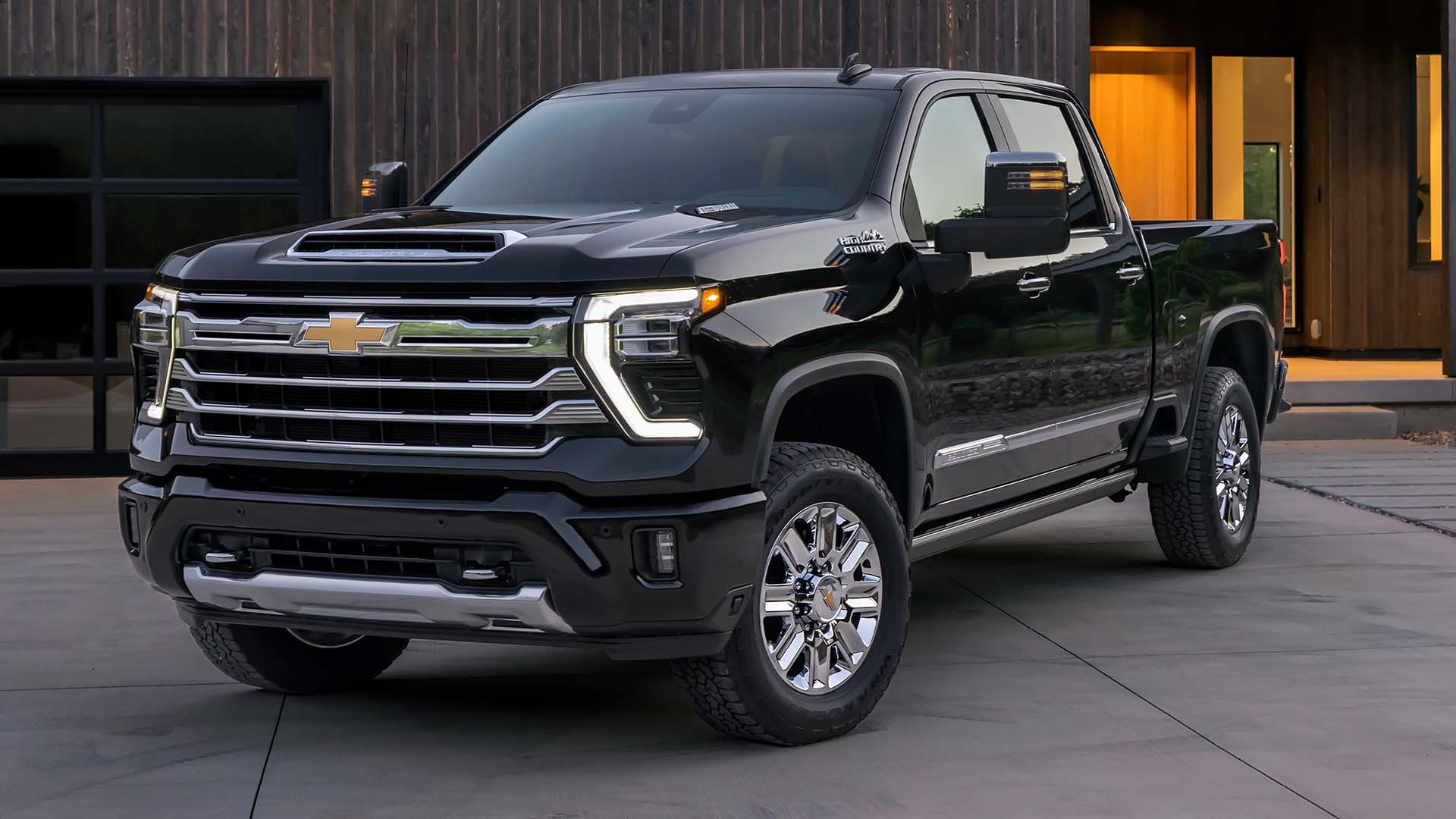
Decoding a Chevrolet chassis number or vehicle identification number tells you the exact factory where a car was built, what engine it left with, and whether its major components are original. Whether you're inspecting a vintage 1969 muscle car or verifying a modern truck, knowing how to read these codes protects you from buying a misrepresented vehicle.
Before 1981, General Motors used a decentralized numbering system that varied across divisions and manufacturing plants. Modern vehicles use a standardized 17-character sequence governed by federal guidelines. Understanding both systems helps you trace a car's true history from the assembly line to the present day.
Pre-1981 Chevrolet Chassis Numbers and Trim Tags
Older Chevrolets do not have a modern 17-digit VIN on the dashboard. Instead, they rely on a combination of a vehicle serial number stamped onto the frame or door pillar, paired with a distinct Fisher Body tag bolted to the firewall or inner fender.
The Fisher Body tag tells you where the body shell was built, the paint code, the interior trim style, and the build date. For example, a tag from a 1967 model might feature a build week code like "05C," indicating it was assembled during the third week of May.
To verify an older car, you have to cross-reference multiple stampings:
- Engine Pad Stamp: Located on a small machined pad atop the engine block near the front passenger side. It lists an engine assembly plant code, the build date suffix, and the final digits of the vehicle serial number to confirm "matching numbers."
- Transmission Stamp: Stamped on a flat pad or metal tag on the transmission case to ensure it matches the engine output date and car series.
- Rear Axle Code: Stamped on the axle tube to identify the gear ratio and original factory installation.
If these stamped numbers don't align with the production timeline of the body tag, the vehicle has likely had major mechanical components swapped over its lifetime.
The 17-Character Modern Chevrolet VIN Structure
Since 1981, every Chevrolet sold follows a strict global standard. Each of the 17 characters in the sequence carries a specific piece of data about the vehicle's manufacturing pedigree.
Here is how the sections break down:
- Characters 1–3 (World Manufacturer Identifier): These letters and numbers identify the country of origin and the manufacturer. For United States-built passenger cars, you will typically see "1G1" or "1GC" for trucks built by General Motors.
- Characters 4–8 (Vehicle Descriptor Section): This block defines the vehicle line, engine type, body style, and restraint systems. It tells you whether the vehicle is a Corvette, Silverado, or Tahoe, and what size engine sat under the hood at the factory.
- Character 9 (Security Check Digit): A calculated mathematical algorithm used by the Department of Transportation to verify the validity of the VIN.
- Character 10 (Model Year): A designated letter or number representing the model year. For instance, "A" represents 1980 or 2010, "Y" represents 2000 or 2021, and numbers 1 through 9 represent 2001 through 2009.
- Character 11 (Assembly Plant): A single letter designating the exact manufacturing facility where the vehicle rolled off the line, such as "5" for Bowling Green, Kentucky.
- Characters 12–17 (Production Sequence): The final six digits represent the serial production number as the vehicle moved down the assembly line.
You can inspect official safety and vehicle standards directly through the National Highway Traffic Safety Administration database.
Common Red Flags and Tampering Signs
When inspecting vintage or collectible Chevrolets, counterfeit VIN plates and restamped engine pads are common. Fraudsters alter these numbers to make base-model cars appear as rare performance trims like Z28s or SS models.
Look closely at the rivets holding the dashboard VIN plate in place. General Motors used specific rosette-style or clutch-head rivets that require specialized factory tools to install. Standard Phillips screws or standard pop rivets are an immediate giveaway that the plate has been removed or replaced.
Examine the engine pad stamp with a magnifying glass and clean lighting. Factory stampings feature crisp, deep characters with clean edges stamped by gang-holder dies. Uneven depth, wavy alignments, or evidence of surface grinding on the engine pad usually indicate that the original numbers were milled off and restamped with false data.
You can review manufacturer recall and safety documentation records via Transport Canada if you are dealing with imported models.
Frequently Asked Questions
Where is the VIN located on a classic Chevrolet?
On pre-1981 models, you'll usually find the vehicle number on a metal tag attached to the driver's side door hinge pillar, inside the glove box, or stamped directly into the top of the driver's side frame rail near the steering gear box.
What does "matching numbers" actually mean?
It means the serial numbers stamped on the engine block, transmission, and rear axle correspond correctly to the vehicle's original build sheet and VIN sequence, confirming that the car retains its factory-installed drivetrain.
Can a VIN tell me if a car has been in an accident?
The VIN itself only tells you factory specifications and production history. To check accident history, title brands, or salvage records, you must run the VIN through a vehicle history provider using state DMV and insurance databases.
Why do some Chevrolet VINs start with a number instead of a letter?
The first character indicates the country of manufacture. A number "1," "4," or "5" designates the United States, while "2" indicates Canada and "3" indicates Mexico.



