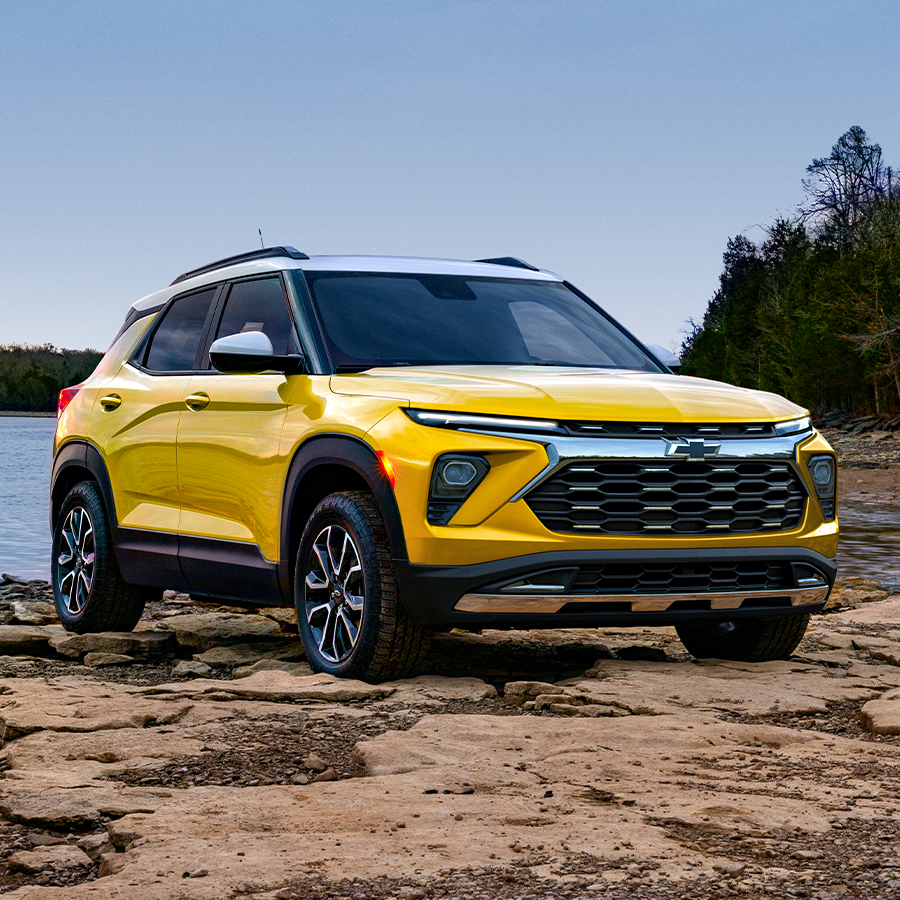
When you need a people mover that swallows luggage without forcing compromises, the Chevrolet Traverse towers over typical midsize crossovers. Standing on the boundary between midsize utility and full-size footprint, this generation swaps its old V6 for a turbocharged four-cylinder. It aims squarely at large families, road-trip veterans, and buyers who refuse to settle for cramped third rows.
The vehicle delivers massive cabin volume and class-leading cargo space, paired with modern safety tech and an available rugged Z71 trim. Yet, beneath the rugged exterior styling and expansive touchscreen displays, it compromises on engine refinement and interior materials.
Powertrain Dynamics and Real-World Drive Quality
Under the hood, every current-generation model relies on a turbocharged 2.5-liter four-cylinder engine pushing 328 horsepower and 326 lb-ft of torque. Paired with an eight-speed automatic transmission, this setup out-muscles the outgoing V6 on paper, delivering strong initial throttle response and confident highway passing power.
Out on the pavement, the ride quality remains remarkably composed. Suspension tuning soaks up broken asphalt, potholes, and expansion joints with ease, preventing floatiness while maintaining composure over long stretches of highway.
However, refinement takes a hit under heavy acceleration. When you mash the throttle to climb steep grades or merge into fast traffic, the turbo-four produces a coarse, raspy grunt that fills the cabin. While it gets the job done, it lacks the quiet mechanical dignity of traditional six-cylinder alternatives or electrified powertrains found in competitors like the Mazda CX-90. Fuel economy lands around an average 21 combined mpg, trailing smoother rivals that prioritize efficiency over sheer bulk.
Interior Space, Packaging, and Ergonomics
Cabin capacity defines the core appeal of this SUV. Passenger room is generous across all three rows. Adults can actually sit in the rearmost seats without folding their knees to their chests—a rare feat in this class.
- Seating Configurations: Available in seven- or eight-passenger layouts, featuring second-row captain's chairs or a functional bench.
- Cargo Volume: Offers nearly 98 cubic feet of maximum cargo space with rear rows folded flat.
- Storage Solutions: Deep underfloor bins and wide door pockets keep loose gear secure during family trips.
The dashboard centers around a massive 17.7-inch infotainment touchscreen paired with an intuitive digital driver display. Unfortunately, software ergonomics stumble during daily driving. Essential functions—such as headlights and audio equalizers—are buried within touch menus rather than mapped to physical buttons, forcing drivers to take their eyes off the road for routine adjustments. Furthermore, upper trims lean heavily on hard plastics and glossy surfaces that feel out of step with a vehicle pushing past mid-tier pricing.
Trim Levels and Capability Breakdown
Selecting the right model depends heavily on your lifestyle requirements and desire for off-road aesthetics or highway autonomy. You can review safety ratings directly through the NHTSA portal for crash test outcomes.
- LS and LT: These serve as the high-value entry points. The LT adds second-row smart-slide seats, a power liftgate, and foundational conveniences.
- Z71: Built for light adventure, featuring a factory suspension lift, all-terrain tires, twin-clutch all-wheel drive, and specialized off-road drive modes.
- RS and High Country: Lean into luxury and advanced technology, unlocking bigger wheels, premium audio systems, and General Motors' Super Cruise hands-free driving assistance.
Towing maxes out at a respectable 5,000 pounds when properly equipped, matching segment benchmarks for hauling small campers or utility trailers.
Common Buyer Mistakes to Avoid
Many shoppers walk onto the lot expecting the plush refinement of a luxury vehicle because of the large price tag on upper trims. Don't expect whisper-quiet acceleration or plush soft-touch plastics on every lower panel.
Another frequent oversight involves neglecting to test-fit rear car seats with the second row slid forward. While the mechanism is brilliantly designed for kids, bulky rear-facing seats can pinch legroom if you don't adjust the tracks properly. Finally, don't assume all-wheel drive comes standard; verify drivetrain specs if you regularly navigate winter snowstorms.
Frequently Asked Questions
Does the Chevrolet Traverse have a V6 option?
No. The current generation relies exclusively on a turbocharged 2.5-liter four-cylinder engine. The older 3.6-liter V6 was retired after the 2023 model year, though carryover models were sold as the Traverse Limited.
How does cargo space compare to a minivan?
Cargo capacity approaches mini-van territory, offering massive floor space behind the first row and a surprisingly deep well behind the third row even when all seats are upright.
Is Super Cruise available on all trims?
No. Super Cruise is restricted to higher-end trims like the RS and High Country as an option or standard feature, requiring specific package selections.
Can the Z71 handle serious rock crawling?
It's engineered for dirt roads, camping trails, and snowy paths rather than extreme rock crawling. The suspension lift and all-terrain tires boost trail confidence, but it lacks traditional low-range gearing.



