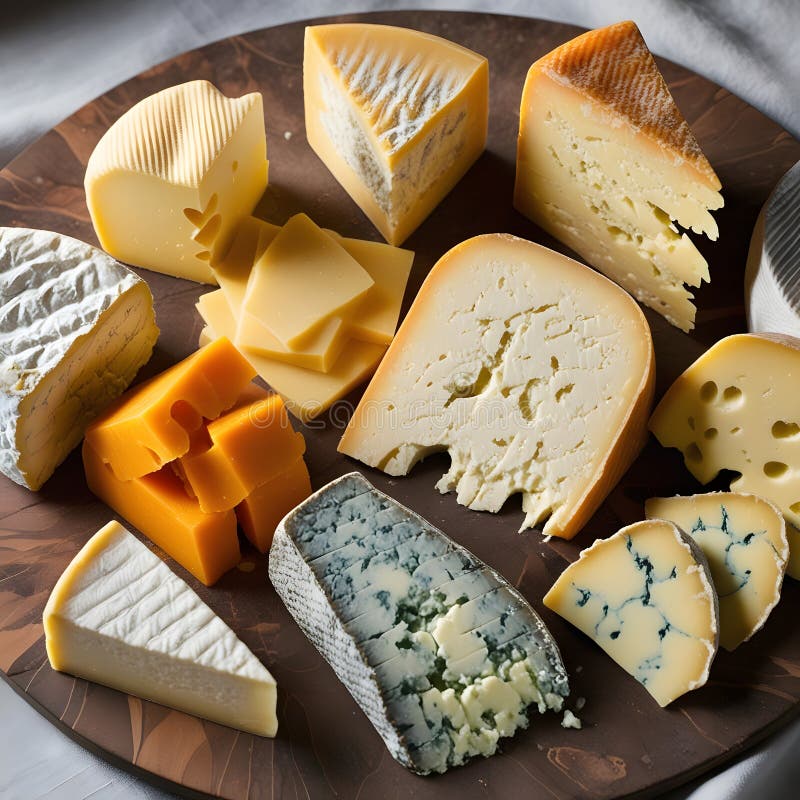
A cheese steward manages the lifecycle, storage, selection, and presentation of artisan cheeses. While cheesemakers craft the curd, stewards protect that work during maturation, selecting the exact temperature, humidity, and microflora required for a wheel to reach its peak. They bridge the gap between dairy producers and consumers, managing retail displays, curing caves, and pairing notes with precision.
Without this role, many specialty cheeses would degrade before reaching the plate, losing the nuanced regional traits that define their origin. This guide breaks down the day-to-day responsibilities, technical knowledge, and specialized aging techniques that define the profession.
The Core Responsibilities of a Cheese Steward
A cheese steward operates at the intersection of inventory logistics, food science, and customer education. Daily responsibilities require deep familiarity with milk chemistry, food safety regulations, and sensory evaluation.
Inventory and Curing Cave Management
Managing inventory requires monitoring environmental parameters across different styles of cheese. Stewards maintain specific climate zones to prevent spoilage and encourage proper rind development.
- Soft and Bloomy Rinds: Stored at high humidity (85 to 95 percent) and cool temperatures (around 45 degrees Fahrenheit) to support Penicillium candidum growth without over-ripening the paste.
- Hard and Pressed Cheeses: Kept in slightly drier environments (75 to 80 percent humidity) with steady air circulation to prevent mold blooms while encouraging controlled moisture loss.
- Washed Rinds: Hand-washed regularly with brine, beer, or wine to cultivate Brevibacterium linens, creating the characteristic orange-pink surface and savory aroma.
Sensory Grading and Quality Control
Stewards inspect incoming wheels for structural defects, abnormal ammonia notes, or improper paste breakdown. They test wheels by tapping the rind to check for hollow sounds or internal fissures. When a wheel reaches optimal ripeness, the steward coordinates its transition from storage to the cutting counter.
Essential Knowledge: Milk Types and Terroir
Understanding how milk composition dictates aging potential forms the foundation of cheese stewardship. Stewards evaluate milk sources based on animal diet, breed genetics, and seasonal shifts in forage.
- Raw Milk versus Pasteurized: Raw milk retains native microflora that express complex regional terroir, though it demands rigorous tracking of microbial safety and aging times according to FDA regulations.
- Seasonal Variations: Spring milk, rich in fresh beta-carotene from green pastures, yields buttery, herbaceous flavors, while winter milk often produces denser, nuttier profiles.
- Heritage Breeds: Milk from specific breeds like Brown Swiss or Jersey offers higher fat and protein ratios, changing how moisture binds during curd formation.
Specialized Techniques in Affinage
Affinage—the art of aging cheese—is where a steward's technical skill shines. The process involves manipulating microbial communities on the rind and managing enzymatic breakdown within the paste.
Incoming Young Wheel -> Climate Sorting -> Rind Cultivation -> Periodic Monitoring -> Peak Maturity Selection
Stewards apply several hands-on methods during aging:
- Barding and Wrapping: Wrapping wheels in chestnut leaves, grape leaves soaked in spirits, or lard-soaked cloths to impart secondary aromas and slow moisture loss.
- Cave Brushing: Using stiff natural-bristle brushes to control wild mold growth on natural-rind hard cheeses.
- Piercing: Creating oxygen channels in blue cheeses with stainless steel needles to stimulate Penicillium roqueforti spore development.
Bridging Producers and Consumers
A cheese steward functions as a translator between rural agricultural producers and urban retail customers. They translate complex production methods into actionable tasting notes for chefs, mongers, and home cooks.
When visiting creameries, stewards assess milk quality firsthand, discussing seasonal yield challenges with farmers. In retail or wholesale environments, they train staff on proper cutting techniques, portion sizing, and cross-contamination prevention. According to the American Cheese Society, professional development in grading and handling remains essential for maintaining industry standards across North America.
Common Mistakes in Cheese Care
Proper handling prevents waste and preserves texture. Several operational errors frequently compromise specialty cheese inventory:
- Storing Cheese in Airtight Plastic Wrap: Deprives the cheese of oxygen, trapping ammonia and creating off-flavors. Wax paper or breathable cheese paper should be used instead.
- Serving Cheese Straight from the Refrigerator: Suppresses aromatic compounds. Cheeses should rest at ambient room temperature for 30 to 60 minutes before tasting.
- Using a Single Knife for All Styles: Cross-contaminates delicate bloomy rinds with pungent blues or soft pastes, muddying distinct flavor profiles.
Frequently Asked Questions
What training does a cheese steward need?
Most stewards start as mongers, learning through hands-on apprenticeship in aging caves or retail shops. Certifications like the Certified Cheese Professional exam offered by the American Cheese Society provide formal credentials.
How do stewards handle inventory loss from over-ripening?
Stewards track batch aging timelines meticulously using inventory software or logbooks. When a wheel nears peak maturity, they adjust retail pricing, feature it in prepared dishes, or repurpose it for cooking applications before structural breakdown occurs.
Why is humidity control critical during cheese aging?
Incorrect humidity either dries out the wheel prematurely—stopping enzymatic ripening—or creates excess moisture condensation, leading to harmful mold growth and surface rot.
How does cheese aging affect lactose content?
During the cheesemaking and aging process, most lactose is drained away in the whey or consumed by lactic acid bacteria during fermentation. Aged cheeses typically contain negligible amounts of lactose.



