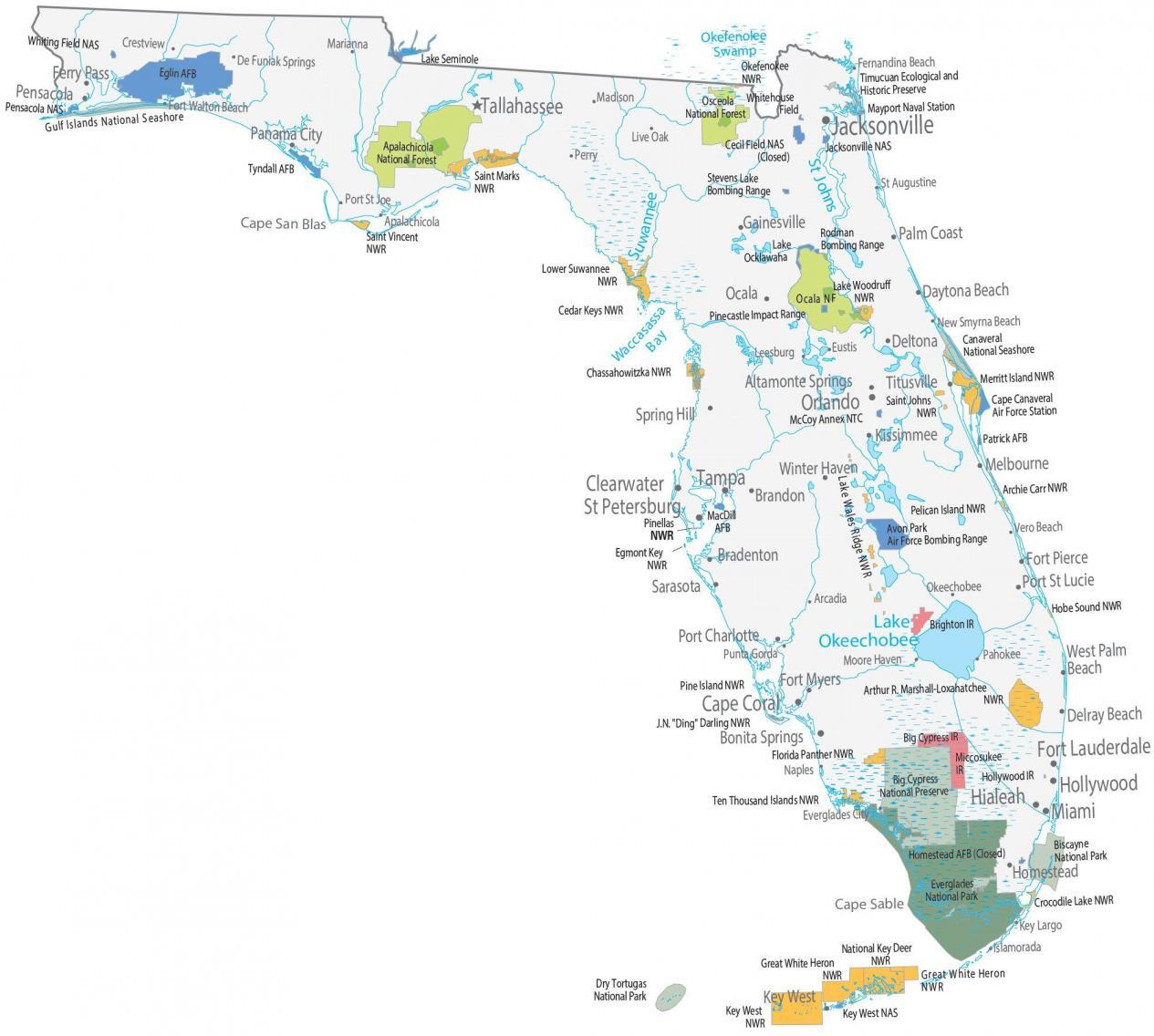
Scoring cheap Florida flights doesn't require luck. It takes precise timing, route flexibility, and knowing how airlines price seats for the Sunshine State. If you're tired of overpaying for airfare to Miami, Orlando, or Tampa, you can slash your travel expenses by changing when you search, where you land, and how you book. Let's look at the proven strategies that consistently drop airfares by up to forty percent.
Most travelers make the mistake of booking standard direct round-trips on Friday afternoons during peak holiday windows. Airlines know this demand exists and jack up prices accordingly. By shifting your travel days by forty-eight hours, targeting secondary airports, and utilizing fare trackers on platforms like Google Flights, you keep cash in your wallet.
Master the Booking Window
Timing your ticket purchase is the single biggest factor in determining what you'll pay. Waiting until the absolute last minute rarely works out for budget-conscious flyers. Airlines rely on business travelers who book late and pay top dollar, so waiting out the clock usually leaves you stranded with high prices or sold-out cabins.
For domestic and continental flights, the sweet spot for booking sits between three to eight weeks before departure. Studies show that locking in your itinerary around six to eight weeks out captures the ideal balance of seat availability and discounted fare buckets. If you're booking during peak snowbird season or major school breaks like March Break, stretch that timeline out to four or five months in advance.
Target Secondary Airports and Alternate Routes
Flying directly into major hubs like Miami International or Orlando International often carries a premium. Airlines charge more because convenience commands a higher price tag. You can bypass these inflated rates by looking at alternative arrival airports nearby.
If you're heading to South Florida, check flights into Fort Lauderdale-Hollywood International Airport instead of Miami. Fort Lauderdale often features heavy competition from budget carriers, which forces legacy airlines to slash their prices. Similarly, if your destination is central Florida or the theme parks, look at Tampa International or Melbourne Orlando International.
- South Florida: Compare Miami (MIA) with Fort Lauderdale (FLL) or West Palm Beach (PBI).
- Central Florida: Compare Orlando International (MCO) with Tampa (TPA) or St. Pete-Clearwater (PIE).
- Connective Routes: Don't automatically rule out layovers. Direct flights cost more because you're paying for time saved. Adding a quick stop in Charlotte, Atlanta, or Dallas often cuts ticket prices drastically.
Leverage Mid-Week Travel Days
The day of the week you fly dictates your baseline fare. Fridays and Sundays remain the most expensive days to step onto an airplane because leisure travelers want to maximize weekend time. Business travelers also crowd these slots.
Shift your departure and return to Tuesdays and Wednesdays. Airlines regularly drop prices mid-week to fill empty seats on low-demand flights. Flying on a Tuesday instead of a Friday can easily shave twenty to thirty percent off your total itinerary cost without requiring you to change anything else about your vacation.
Utilize Price Alerts and Flexible Date Grids
Never search for flights with rigid dates unless you have no other choice. If your schedule allows for flexibility, open up the date grid or monthly price graph on flight comparison tools. Seeing a full month of pricing at a glance lets you spot anomalies where a flight three days earlier is half the price.
Set up automated price trackers. Enter your preferred route and let platforms monitor price fluctuations on your behalf. When ticket prices dip—which they frequently do during mid-week flash sales—you'll get an alert in your inbox so you can book immediately before the fare climbs back up.
Avoid Hidden Ancillary Fees
A cheap base fare can quickly turn expensive if you aren't paying attention to extra costs. Ultra-low-cost carriers often advertise enticingly low ticket prices, but they charge separate fees for carry-on bags, checked luggage, seat selection, and even printing a boarding pass at the counter.
Before booking the cheapest option on your screen, calculate the total cost including baggage. If you're packing heavy and need a checked bag, a legacy carrier that includes a bag in a slightly higher fare class might actually end up cheaper than a budget airline that charges $40 each way for luggage. Read up on luggage guidelines directly through official carrier policy pages, such as Air Canada, before finalizing your checkout.
Frequently Asked Questions
What is the absolute cheapest month to fly to Florida?
Spring and late autumn generally offer the lowest airfares. April—outside of Easter weekend—and the shoulder months of September and October see lower demand as summer crowds dissipate and school sessions resume, leading to reduced ticket prices across major routes.
Are last-minute flight deals worth the gamble?
Almost never. While airlines occasionally discount remaining seats right before takeoff, this strategy is risky for popular vacation destinations like Florida. You run a high risk of paying double or finding flights completely sold out.
Does clearing my browser cookies actually lower flight prices?
No. Airline pricing is driven by real-time inventory algorithms, supply, and demand, not by tracking your search history through browser cookies. Using incognito mode won't change the fare, but using price comparison tools to check multiple airlines certainly will.
Should I book connecting flights to save money?
Yes, if you want to lower your upfront ticket cost and don't mind a longer travel day. Just ensure your layover window is at least ninety minutes to account for minor delays, protecting you from missing your connecting leg.


