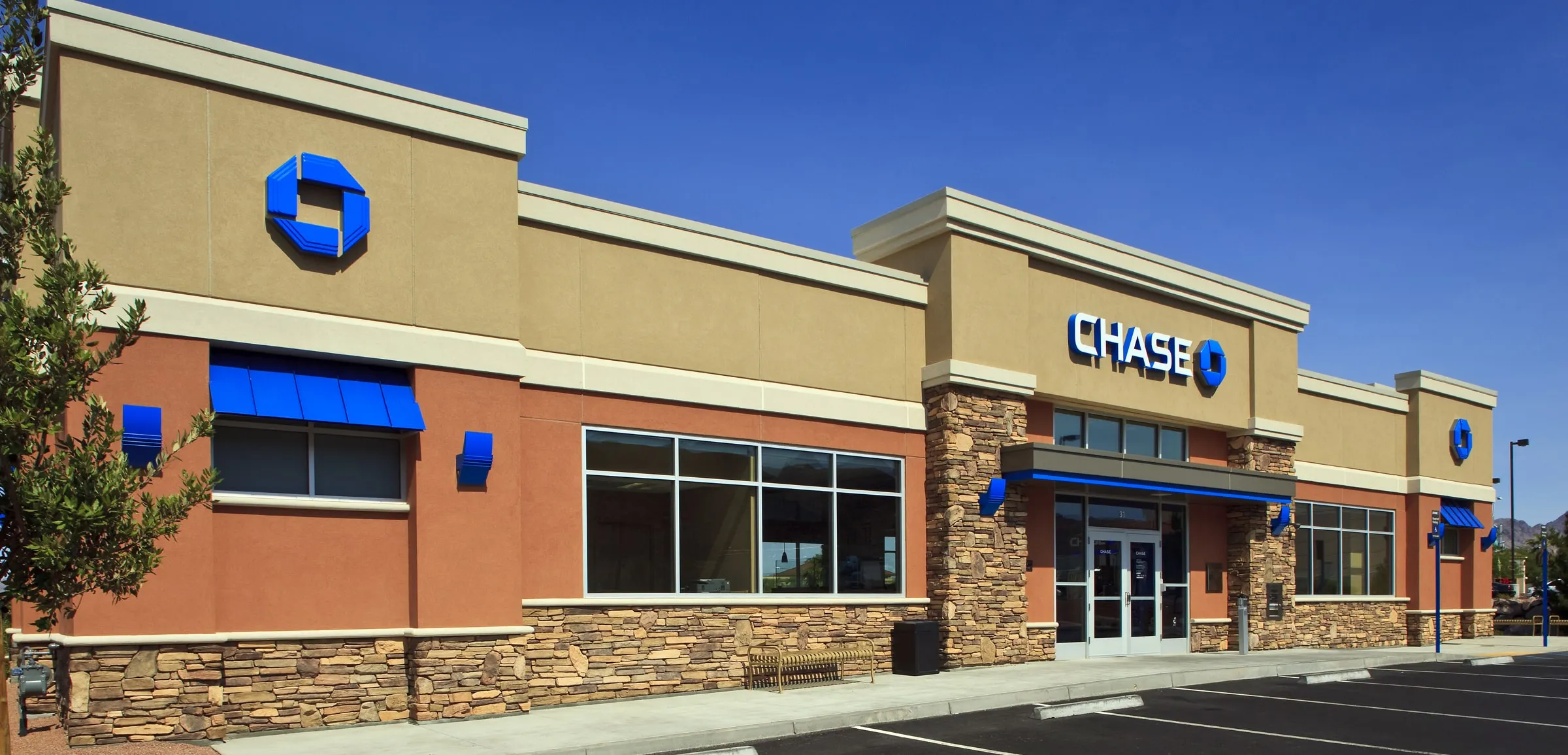
When JPMorgan Chase files notices to shutter physical locations, headlines often panic over the death of traditional banking. Yet look closer at the data, and you'll see a calculated restructuring rather than a wholesale retreat. Banks aren't just locking doors to save on rent; they're pivoting toward a hybrid model where digital convenience meets targeted physical presence. Understanding this shift reveals how major financial institutions evaluate local market viability, operational costs, and evolving customer habits.
The physical footprint of retail banking has shrunk dramatically over the past decade. Financial institutions face immense pressure to optimize real estate as mobile app adoption surges and routine transactions like check deposits move entirely online. For Chase, branch adjustments involve a dual track: closing underperforming or redundant storefronts while simultaneously opening modern branches in high-growth suburban and urban sub-markets. This selective pruning is the core of modern financial resilience.
Why Major Banks Are Scaling Back Physical Footprints
Operating a brick-and-mortar branch is expensive. Real estate leases, property taxes, utilities, security, and staffing costs create massive overhead for retail banks. When foot traffic drops below a certain threshold, maintaining a physical branch becomes financially inefficient.
- Digital Adoption Rates: Millions of everyday banking interactions now occur via mobile apps. Features like mobile check deposit, peer-to-peer transfers, and instant chat support eliminate the need for routine visits.
- Cost Optimization: Consolidating accounts into regional hubs allows banks to redirect capital toward cybersecurity, software upgrades, and infrastructure improvements.
- Proximity Overload: In many urban and suburban zones, banks opened too many competing branches during past expansion eras, creating unnecessary internal cannibalization.
Regulatory filings submitted to agencies like the Office of the Comptroller of the Currency (OCC) highlight how institutions systematically evaluate these factors. Before closing a branch, management analyzes local transaction volumes, proximity to alternative branches, and the percentage of digital-only customers in that specific ZIP code.
The Dual Strategy: Pruning and Expansion
It's a mistake to view Chase's real estate strategy as a one-way reduction. While closures frequently make the news, the institution simultaneously invests heavily in new builds and relocations.
The strategy relies on market segmentation. Rather than maintaining small, traditional branches that only handle basic cash transactions, banks build larger, advisory-focused hubs. These modern locations are engineered to serve small business owners, mortgage applicants, and wealth management clients who require face-to-face consultations.
By closing three low-volume branches in one region, a bank might simultaneously open two state-of-the-art financial centers in expanding metro corridors. This optimizes the network density without inflating total overhead. According to data from Fast Company, major banking chains carefully balance these adjustments to sustain long-term retail profitability.
How Consumers and Communities Adapt
When a local bank branch closes, community impact can be severe, particularly for elderly customers or small businesses that handle heavy cash deposits. Local economies rely on accessible banking infrastructure to maintain vibrant commercial districts.
To manage the transition, institutions typically redirect customers to nearby surviving branches or provide enhanced digital onboarding. However, friction remains inevitable. Customers accustomed to face-to-face teller relationships must adapt to ATM networks, night depositories, or traveling a few miles further for specialized services.
- Account Management: Most everyday accounts require no physical presence, provided online banking credentials are active.
- Cash Handling: Small businesses often need to transition to local smart ATMs or cash pickup services if their neighborhood branch disappears.
- Advisory Services: Complex products like commercial loans or estate planning increasingly shift to scheduled appointments or virtual video conferences.
Industry analysts at The Financial Brand note that while digital tools absorb the bulk of everyday interactions, consumers still value physical symbols of stability in their neighborhoods. This tension forces banks to communicate closure timelines clearly and minimize service disruptions.
Financial Resilience and Strategic Reinvention
The broader narrative behind branch adjustments is a race for operational efficiency. Traditional banks compete fiercely with fintech startups and neobanks that operate with zero physical overhead. To protect profit margins in fluctuating interest rate environments, legacy institutions must streamline their cost structures.
Strategic reinvention means treating the branch network as a targeted marketing and advisory tool rather than a utility warehouse for cash. When a bank closes an obsolete facility, it reallocates those resources into systems that enhance mobile security, speed up loan underwriting, and improve automated customer service pathways.
Ultimately, the changing landscape of retail banking proves that physical presence is no longer the sole metric of institutional strength. Success now depends on how seamlessly a bank connects its digital capabilities with targeted, high-value human interactions.
Frequently Asked Questions
Why does Chase close branches while simultaneously opening new ones?
Banks use data-driven site selection to match physical footprints with modern population shifts. They close underperforming or redundant locations to cut costs, while opening larger, advisory-focused centers in growing suburban and urban markets.
How do I find out if my local branch is closing?
Federal regulations require banks to submit advance closure notices to regulatory bodies like the OCC, and institutions typically mail written notices to affected account holders at least 90 days before shutting down a location.
What happens to my bank account if my local branch closes?
Your account number, debit card, online login, and routing details remain completely unchanged. Your accounts are simply reassigned to a nearby surviving branch or managed primarily through digital channels.
Can small businesses still deposit cash if their neighborhood branch shuts down?
Yes, though you may need to travel to a nearby alternative branch, utilize commercial night depositories, or use deposit-taking ATMs designed to handle bulk cash for business accounts.



