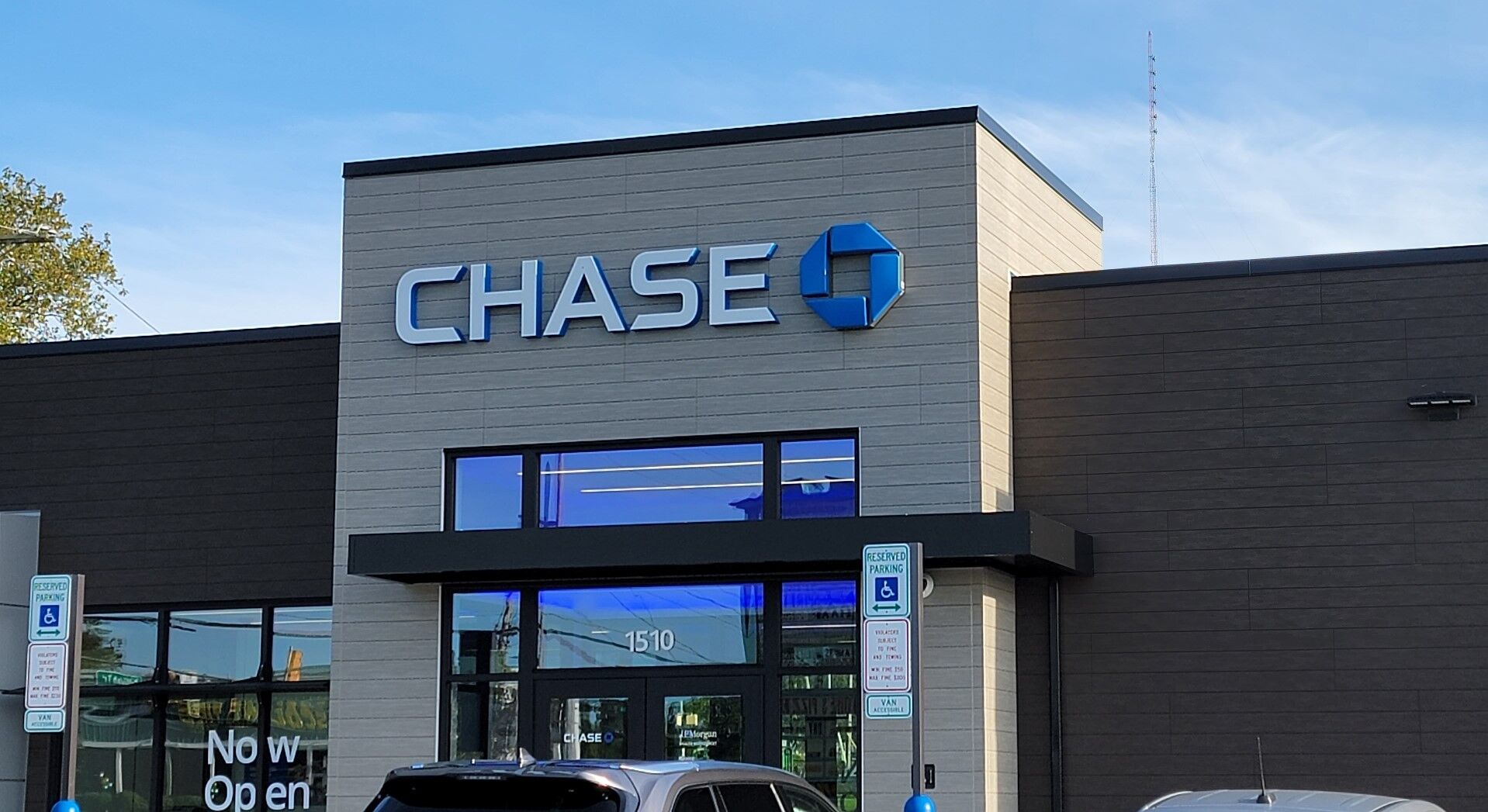
When Chase Bank trims its physical footprint, customers often panic. They assume local banking is dying. The reality behind these closures is a targeted operational shuffle rather than a total retreat from brick-and-mortar service. Major lenders balance high digital adoption with a deliberate redistribution of capital, closing underperforming sites while simultaneously opening hundreds of new locations elsewhere.
Understanding this shift requires looking past the simple headline of shuttered doors. Banks aren't abandoning communities at random; they are ruthlessly optimizing where they deploy staff, cash machines, and square footage.
Why Chase Bank Closes Specific Branches
Physical bank branches cost millions to lease, maintain, and staff. When transaction volume drops at a particular address, maintaining that location stops making financial sense.
- Digital Migration: Most routine transactions like depositing checks or transferring funds happen on smartphones. Foot traffic at traditional teller windows has declined steadily over the past decade.
- Lease Expirations: Many closures coincide with expiring commercial leases. If a landlord hikes rent on a low-traffic branch, the bank cuts its losses and walks away.
- Proximity Consolidation: If two branches sit within a mile or two of each other—often a result of past bank mergers—consolidating them into a single, high-capacity hub cuts overhead without losing regional coverage.
For a deeper look at industry-wide retail shifts, see the analysis on Kiplinger.
The Dual Strategy: Closing Some, Opening Many More
The narrative that Chase is abandoning physical banking misses half the picture. Even as regulatory filings show steady waves of targeted closures, the institution pours billions into expanding its national footprint.
Instead of maintaining outdated layouts, the bank builds modern hubs in growing markets. These new locations often feature open-concept designs, specialized advisors, and dedicated community spaces. Rather than a flat contraction, the network undergoes a geographic migration toward fast-growing metropolitan areas and underserved regions.
Reallocating Capital to Digital Infrastructure
Money saved from closing redundant branches directly funds digital capabilities. Customers expect instant transfers, robust mobile deposit limits, and round-the-clock fraud monitoring.
Maintaining a top-tier app requires massive backend investment. By trimming brick-and-mortar expenses in saturated zip codes, the bank shifts those resources toward software development, cybersecurity, and automated tools that handle routine customer requests efficiently.
Impact on Local Communities and Access
When a neighborhood branch disappears, residents face real adjustments. While everyday banking moves online easily, certain tasks require physical infrastructure.
- Cash Management: Small cash-reliant businesses need nearby deposit drops. Losing a local branch means longer transit times to handle physical currency.
- Complex Transactions: Opening estate accounts, securing safety deposit boxes, or applying for specialized commercial loans often goes smoother face-to-face.
- Banking Deserts: In lower-income or rural areas, branch closures can leave vulnerable populations without accessible financial services, forcing them toward expensive alternative financial services like check cashers.
To counter these access gaps, the bank deploys community centers and specialized personnel focused on financial literacy and small business support in targeted regions. You can read official updates on these community investments directly from Chase Newsroom.
What to Do If Your Local Branch Closes
Receiving a closure notice can be frustrating, but customers have practical ways to adapt without switching banks entirely.
- Identify the Nearest Alternative: Check your mail or the bank's online portal for the designated replacement branch. Often, accounts automatically transfer to a nearby location with expanded hours or better parking.
- Shift Routine Tasks Online: Master mobile check deposits and electronic bill pay to eliminate the need for routine physical visits.
- Utilize Partner ATMs: Remember that you can use designated network ATMs to withdraw cash and check balances without visiting a teller window.
- Evaluate Your Needs: If your local branch was your primary touchpoint for complex financial advice, schedule a virtual meeting with a banker or explore nearby financial centers that offer specialized advisory services.
Frequently Asked Questions
How does Chase decide which branches to close?
Decisions rely on a mix of foot traffic metrics, transaction volume, lease terms, and proximity to other company locations. If a branch operates well below capacity and a nearby location can absorb the volume, it becomes a candidate for closure.
Do my account numbers or debit cards change when a branch closes?
No. Your account numbers, routing numbers, debit cards, and checks remain fully active. Your funds remain secure, and you don't need to sign new paperwork unless you choose to switch your home branch designation.
Are all major banks closing physical branches?
Yes. Across the entire financial sector, institutions face identical pressures from rising real estate costs and surging digital banking adoption. Most major national lenders shrink their total physical counts while selectively building in new markets.
Where can I check if my branch is scheduled to close?
Banks must file official advance notices regarding branch closures with regulatory bodies like the Office of the Comptroller of the Currency (OCC). You can also find direct notices on your bank's website under local announcements or branch locator pages.



