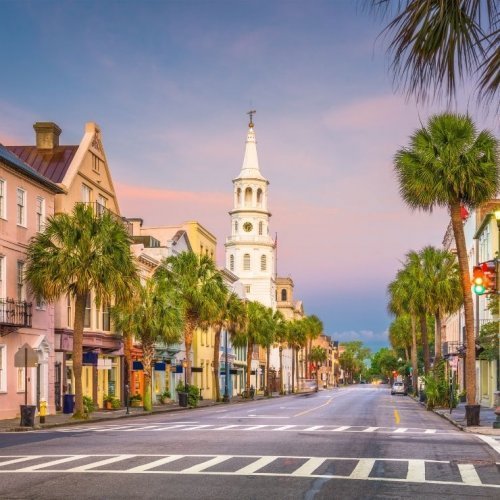
Charleston is changing faster than any historic coastal city should have to. Rapid population influx, escalating real estate prices, and rising tidal waters are colliding to reshape the South Carolina Lowcountry. Local journalism, led by investigative projects like The Post and Courier's reporting, tracks how this growth strains infrastructure, displaces long-term residents, and forces civic leaders to rethink decades-old zoning habits.
Beneath the postcard charm of cobblestone streets and historic ironwork lies a complex economic and environmental reality. Understanding what is driving this transformation requires looking past the tourism marketing to examine land use, housing economics, and climate vulnerability.
The Housing Crisis: Affordability Versus Rapid Growth
Charleston County has experienced a construction boom unlike anything seen in decades, yet market-rate developments continue to outpace the creation of homes for everyday workers. Rents have jumped roughly thirty percent since the pandemic, driven by an influx of new residents moving to South Carolina.
- The Supply Squeeze: High construction costs, material shortages, and strict coastal regulations slow down new housing starts.
- The Workforce Gap: Essential service employees, including teachers, nurses, and hospitality workers, face grueling commutes from distant inland counties because they're priced out of the city center.
- Entitled Developments: Many modern building projects rely on grandfathered agreements inked years prior, leaving city councils with limited legal power to alter project scales or enforce modern climate-resilient zoning.
Elected officials have introduced initiatives like Project 3500, aiming to build thousands of affordable units, but the friction between historic preservation and high-density infill construction remains a constant battleground during city council meetings.
Climate Adaptation and Coastal Realities
Living on the front lines of sea-level rise means Charleston serves as a real-time laboratory for environmental adaptation. Higher tides, more aggressive storm surges, and sinking "made land" are forcing engineers and urban planners to look past traditional flood management.
The reliance on historical maps, such as the century-old Halsey Map, shows how urban growth historically filled in vulnerable creeks and low-lying marshes. Today, municipal infrastructure projects require massive capital investments—such as planned multi-billion dollar sea walls and drainage upgrades—to shield downtown from catastrophic flooding.
At the same time, marine archaeologists and historians face difficult choices regarding thousands of coastal archaeological and historical sites that sit within meters of current sea levels. Protecting everything is financially impossible, forcing state agencies to decide which landmarks receive preservation funding and which must be left to the elements.
Infrastructure and the Traffic Bottleneck
As bedroom communities expand outward into Berkeley and Dorchester counties, regional transit corridors face severe bottlenecks. Major arteries like Johns Island and the upper peninsula corridors struggle to handle commuter volume, leading to hundreds of millions of dollars in roadwork initiatives.
The tension centers on a fundamental question: how do you expand infrastructure to support a booming population without destroying the very historic and cultural fabric that makes the region unique? Road widenings often spark intense local pushback from historic preservationists and neighborhood groups who fear increased suburban sprawl.
Frequently Asked Questions
Why is Charleston's population shifting?
While the wider metropolitan area is growing rapidly due to an influx of out-of-state movers, the historic Charleston peninsula experienced decades of population decline as residential homes were converted into short-term rentals and commercial spaces. Recent large-scale redevelopment proposals aim to reverse this trend by adding thousands of residential units back to the core peninsula.
How does sea level rise impact property taxes and insurance?
New FEMA flood zone mapping and rising environmental risks drive up flood and property insurance premiums across coastal South Carolina. This financial pressure disproportionately affects fixed-income homeowners and older neighborhoods that lack modern stormwater mitigation infrastructure.
What is an "entitled" development in Charleston?
An entitled development refers to a building project that secured legal zoning approvals and binding agreements years ago. Even if city priorities, climate guidelines, or traffic conditions change, developers can often proceed with their original blueprints because denying them risks costly legal battles over property rights.
Where can I read ongoing local investigative reporting on these issues?
Local outlets like The Post and Courier provide deep investigative tracking through specialized desks such as their Rising Waters Lab, focusing on regional housing, coastal climate impacts, and economic shifts.



