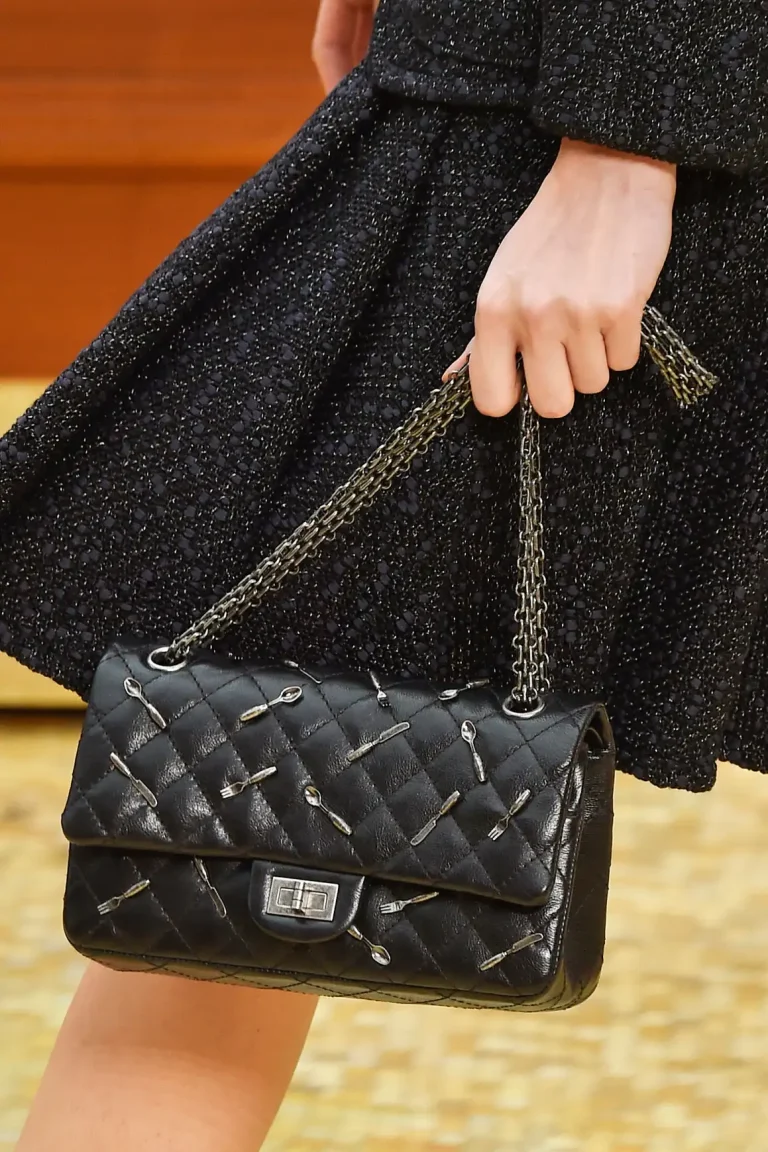
Mixing up Chanel and channel happens all the time because they look almost identical on screen. The single letter difference between one "n" and two "nn" completely changes your meaning.
Chanel is a proper noun referring to the luxury fashion house founded by Coco Chanel. Channel is a common noun or verb used for pathways, media broadcasts, and directing energy. Getting them mixed up in professional writing or marketing copy flags your text as careless, so let's break down how to nail the distinction every single time.
Understanding Chanel
Chanel always refers to the high-end French design house or its founder, Gabrielle "Coco" Chanel. As a brand name, it requires a capital "C" and a single "n" in the middle.
You'll use this spelling when discussing couture, luxury handbags, fragrances like Chanel No. 5, or corporate fashion history. It functions strictly as a proper noun. You don't pluralize it into common objects unless you're talking about multiple items from the brand, and you never use it as a verb.
- Correct: She wore a vintage Chanel jacket to the gallery opening.
- Correct: The boutique released a brand new line of Chanel sunglasses.
Understanding Channel
Channel is a versatile English word that functions as both a noun and a verb. It features a double "n" (nn).
As a noun, it describes a physical or abstract pathway for flow, communication, or transmission. This includes television stations, radio frequencies, YouTube accounts, shipping lanes, and communication methods. As a verb, it means to direct or guide resources, focus, or energy toward a specific goal.
- Noun example: Switch the television to a news channel to check the weather.
- Verb example: Try to channel your frustration into writing a productive draft.
Quick Comparison of Core Rules
| Feature | Chanel | Channel |
|---|---|---|
| Part of Speech | Proper Noun | Common Noun, Verb |
| Spelling | Single 'n' (chanel) |
Double 'nn' (channel) |
| Core Meaning | Luxury fashion house | Pathway, medium, or verb to direct |
| Capitalization | Always capitalized | Lowercase unless starting a sentence |
Common Mistakes to Avoid
Autocorrect and fast typing often breed specific errors that editors spot instantly. Watch out for these traps in your content:
- The Fashion Typo: Writing "channel bag" or "channel clothing". Because people type quickly, they drop the second "n" or add one blindly. High-end fashion items always bear the single-n Chanel name.
- The Media Typo: Writing "a YouTube Chanel" or "my favorite Chanel on TV". Digital broadcasting platforms and television stations always use the double-n channel spelling.
- The Verb Error: Trying to use the fashion house as an action word. You can't "chanel your inner designer" using the single-n spelling; you must use channel when directing energy.
For more deep dives into tricky English words, check out the Merriam-Webster Dictionary for authoritative definitions and etymologies.
Frequently Asked Questions
Why do Chanel and channel sound so similar?
They share a historical root in the Old French word chanel, which evolved from the Latin canalis (meaning pipe or groove). Over time, the surname remained fixed with a single "n", while the common noun evolved in English to feature a double "n".
Is Chanel pronounced differently than channel?
Yes. Chanel carries a French pronunciation (sha-NEL) with emphasis on the second syllable. Channel uses standard English pronunciation (CHAN-uhl) with stress on the first syllable.
How can I remember which one is which?
Think of the double "n" in channel as parallel lines or tracks (like a TV station or a water canal). For Chanel, remember that iconic luxury brands often use sleek, minimalist spellings with fewer doubled letters.
Can channel ever be a proper noun?
It can appear capitalized at the beginning of a sentence or as part of a proper geographic name (like the English Channel), but it remains a common noun by definition, unlike the brand name Chanel.



