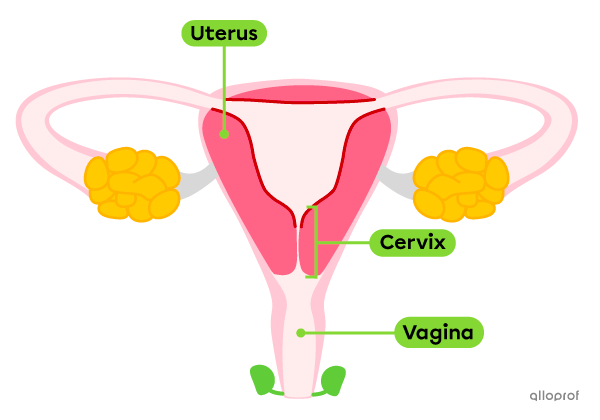
When you're trying to conceive or navigating the earliest weeks of gestation, understanding how your body changes can bring immense clarity. If you've ever searched for cervix early pregnancy photos, you've likely found a mix of medical diagrams, unverified personal images, and confusing descriptions. During early pregnancy, your cervix undergoes distinct anatomical shifts driven by a surge in hormones like progesterone and estrogen. These changes include a softer texture, a higher position in the vaginal canal, and a darker, bluish-purple tint known as Chadwick's sign.
While self-examinations of the cervix are sometimes discussed in online fertility communities, doctors generally advise against manual checks during pregnancy due to the risk of infection and irritation. Instead, clinical observations and ultrasounds provide safe, accurate insights into how the cervix protects and supports a developing embryo. Knowing what happens physically during these initial weeks helps you distinguish normal physiological adjustments from signs that require medical attention.
What Happens to the Cervix in Early Pregnancy
Right after conception, your reproductive system shifts into high gear to support a fertilized egg. The cervix—the lower cylindrical portion of the uterus—acts as a biological gateway and protective barrier.
Texture Changes and Goodell's Sign
In a non-pregnant state, a firm cervix often feels similar to the tip of your nose. Shortly after conception, increased blood flow and hormonal shifts cause the tissue to soften significantly. Medical professionals refer to this softening as Goodell's sign. By the end of the first month, a softened cervix feels more like the texture of your lips or earlobe. This physical relaxation allows the cervix to eventually form a protective mucus plug while accommodating future uterine growth.
Position Shifts
Throughout your menstrual cycle, your cervix moves up and down. During ovulation, it typically sits high, soft, and open. If pregnancy occurs, the cervix generally remains positioned high in the vaginal canal and feels closed. However, individual anatomy varies widely. Some women notice position changes immediately, while others detect very little difference based on touch alone, making physical position an unreliable test for pregnancy on its own.
Color Shifts and Chadwick's Sign
One of the most notable visual markers of early gestation is increased vascularity. As blood volume expands to nourish the uterus, the walls of the vagina and the cervix take on a deep bluish-purple or dark pink hue. Named Chadwick's sign, this discoloration typically appears between the fourth and eighth weeks of pregnancy and is often one of the earliest physical indicators observed during a pelvic exam.
The Role of the Mucus Plug
As soon as conception is established, the endocervical glands begin producing extra thick cervical mucus. This substance accumulates in the cervical canal to form the operculum, commonly known as the mucus plug.
- Protection: The plug seals off the uterine cavity, preventing bacteria and external pathogens from reaching the amniotic sac and developing embryo.
- Composition: Rich in antimicrobial proteins and immunoglobulins, this barrier maintains a sterile environment inside the womb.
- Late-stage transition: Near the end of pregnancy, as the cervix thins and dilates, this plug is expelled, signaling that labor may be approaching.
In early pregnancy, this increased production can lead to heavier, thick, clear, or milky white vaginal discharge, known as leukorrhea. This is a completely normal response to rising hormone levels and enhanced blood flow.
Why Self-Examinations Are Discouraged
Many online forums encourage women to perform self-checks to monitor their cervix during the two-week wait or early pregnancy. However, obstetricians strongly advise against manual cervical checks at home.
- Infection Risk: Introducing fingers into the vaginal canal, especially when the area is highly sensitive and vascular, can transfer bacteria and cause intrauterine infections.
- Irritation and Bleeding: The cervix is exceptionally delicate during early pregnancy due to increased blood vessels. Touching or pressing against it can easily trigger spotting or minor bleeding, which often causes unnecessary panic.
- Inconsistency: Every body is different. Cervical height, firmness, and moisture levels fluctuate naturally based on hydration, recent activity, or arousal, making self-diagnosis inaccurate and misleading.
If you have concerns about your physical symptoms, the safest and most reliable approach is to schedule an appointment with your healthcare provider for professional evaluation.
When Cervical Changes Signal a Concern
While standard early pregnancy changes are normal, certain physical symptoms involving the pelvic region require prompt medical evaluation. Knowing the difference between routine adaptation and red flags keeps you and your pregnancy safe.
Spotting vs. Heavy Bleeding
Light spotting can happen when the fertilized egg implants into the uterine lining or when the sensitive cervix is irritated after intercourse. However, if you experience persistent bright red bleeding, heavy flow, or bleeding accompanied by severe cramping, contact your doctor immediately. These can be signs of early complications such as an ectopic pregnancy or a potential miscarriage.
Incompetent Cervix vs. Early Gestation
An incompetent cervix (or cervical insufficiency) typically manifests later in the second trimester, when the cervix begins to open prematurely without contractions. While early first-trimester changes involve normal softening, doctors monitor cervical length via ultrasound during early prenatal visits if a patient has a history of pregnancy loss or structural concerns.
Frequently Asked Questions
Can you tell if you're pregnant by touching your cervix?
No, checking your cervix manually is not an accurate way to confirm pregnancy. While hormonal changes alter cervical texture and position, these signs vary widely from person to person and overlap heavily with normal pre-menstrual changes.
Why does the cervix change color during early pregnancy?
The color shift, known as Chadwick's sign, happens because your body dramatically increases blood flow to the pelvic region to support the growing uterus. This extra blood supply gives the cervix and vaginal walls a distinct bluish or dark purple tint.
Is spotting normal when the cervix is softening?
Light, painless spotting can occasionally occur because the cervix has an increased number of delicate surface blood vessels during early pregnancy. Even so, any bleeding should be mentioned to your obstetrician to rule out underlying issues.
When does the mucus plug form?
The mucus plug begins forming shortly after implantation, sealing the cervical canal within the first few weeks of pregnancy to protect the embryo from outside bacteria.
How do doctors safely monitor the cervix during early pregnancy?
Instead of manual exams, healthcare providers use transvaginal ultrasounds during early prenatal appointments to check the gestational sac, evaluate the heartbeat, and assess cervical length and closure safely.