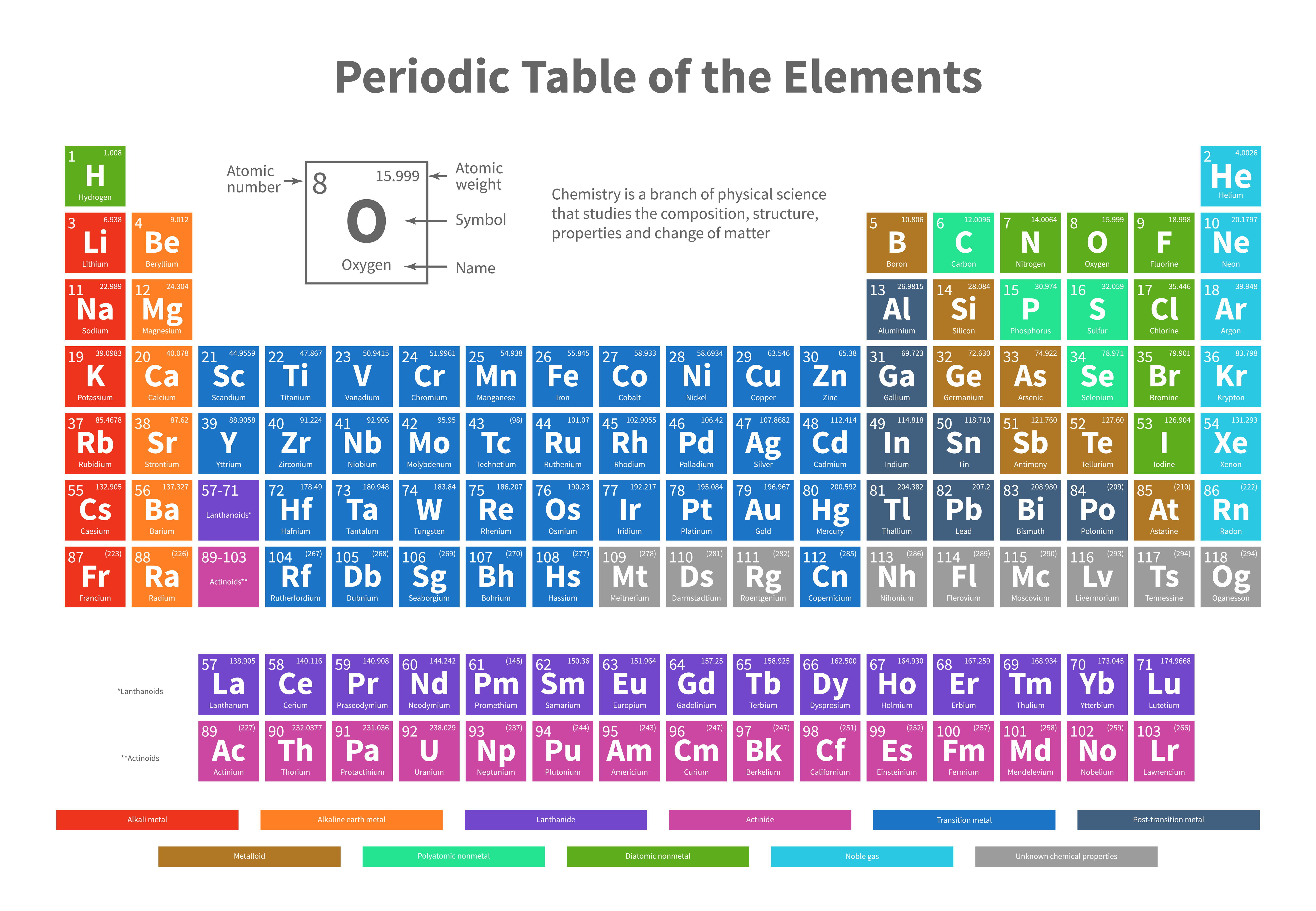
Cerium is the most abundant rare earth metal on Earth, yet it rarely enters public conversations. Unlike lithium or cobalt, it doesn't dominate electric vehicle battery headlines. Instead, this silvery-white element works behind the scenes in automotive exhaust systems, glass production, metallurgy, and advanced chemical synthesis. As global manufacturing shifts toward tighter emissions controls and cleaner energy infrastructure, understanding cerium's chemical behavior provides a clear lens into modern materials engineering.
Geologically, cerium makes up about 66 parts per million of Earth's upper continental crust, putting it on par with copper in terms of sheer abundance. It occurs naturally alongside other lanthanides in minerals like bastnäsite, monazite, and loparite. Because these minerals are mined and processed as mixed rare earth concentrates, separation requires complex, multi-stage hydrometallurgical operations. China dominates global production, accounting for over sixty percent of mine output and a much higher share of refined rare earth oxides, though producers in the United States, Australia, and India extract and process commercial quantities as well.
Chemical Properties and Unique Oxidation States
The defining feature of cerium is its dual oxidation state, toggling easily between the tripositive state (Ce^3+) and the tetrapositive state (Ce^4+). This electronic flexibility allows cerium to act as an exceptional oxidizing agent and a redox catalyst. In aqueous solutions, Ce^4+ acts as a powerful oxidant capable of breaking down stubborn organic compounds, while solid-state cerium oxide (CeO_2 or ceria) stores and releases oxygen atoms within crystal lattices depending on the surrounding chemical environment.
This oxygen storage capacity prevents structural degradation under fluctuating temperature and pressure extremes. When exposed to an oxygen-deficient environment, ceria releases lattice oxygen and forms oxygen vacancies without collapsing its fluorite crystal structure. When oxygen becomes abundant again, the lattice reabsorbs it. This reversible behavior underpins cerium's most widespread industrial applications.
Catalytic Converters and Emission Control
The largest commercial use of cerium is in automotive catalytic converters. Inside a modern three-way catalyst, cerium oxide functions as a oxygen storage component (OSC) promoter. Vehicle exhaust constantly cycles between rich (fuel-heavy) and lean (oxygen-heavy) conditions as the engine management computer adjusts fuel injection.
- Oxygen Buffering: During fuel-rich spikes, cerium releases stored oxygen to help burn unburnt hydrocarbons and carbon monoxide into carbon dioxide and water.
- Reduction Support: During fuel-lean spikes, cerium absorbs excess oxygen, preventing catalyst poisoning and facilitating the reduction of nitrogen oxides (NO_x) into harmless nitrogen gas.
Without ceria-zirconia mixed oxides stabilizing the catalytic washcoat, precious metals like platinum, palladium, and rhodium would degrade rapidly under high exhaust temperatures, failing to meet international environmental standards set by agencies like the U.S. Environmental Protection Agency.
Applications in Glass, Optics, and Metallurgy
Beyond emissions control, cerium plays a vital functional role in glass manufacturing, polishing, and metallurgical alloying.
Optical Glass and Ultraviolet Protection
Ceria absorbs ultraviolet radiation strongly while remaining transparent in the visible spectrum. Manufacturers add cerium oxide to specialty glass used in welding goggles, aerospace windows, and display screens to protect underlying components and human eyes from harmful UV rays without darkening the glass.
Precision Glass Polishing
Opticians and flat-panel display manufacturers rely on optical-grade cerium oxide slurries to polish glass surfaces. Ceria particles combine chemical mechanical planarization with micro-abrasive action, removing microscopic surface irregularities on television screens, camera lenses, and silicon wafers much faster than traditional iron oxide powders.
Metallurgy and Alloy Additives
In steelmaking and foundry operations, cerium acts as a potent scavenger for impurities like sulfur, oxygen, and trace lead or bismuth. Adding mischmetal—a natural alloy of rare earth elements dominated by cerium—to ductile iron neutralizes harmful impurities, refines grain structures, and improves high-temperature oxidation resistance in nickel-based superalloys used in jet turbine blades.
Supply Chain Realities and Environmental Challenges
Extracting and refining cerium involves technical hurdles and environmental management responsibilities. Because cerium is co-mined with other rare earths, primary mining yields a massive surplus of cerium relative to market demand for other lanthanides like neodymium and dysprosium. This production imbalance creates market gluts where cerium sells at a fraction of the cost of critical magnet metals.
Furthermore, processing monazite and bastnäsite ores generates acidic wastewater and low-level radioactive byproducts containing thorium. Refiners must employ secure tailing management systems and neutralisation protocols to prevent environmental contamination. Chemical separation relies on hundreds of sequential liquid-liquid extraction stages, consuming significant quantities of hydrochloric or sulfuric acids.
To mitigate these supply chain bottlenecks, researchers are advancing secondary recovery initiatives:
- Catalyst Recycling: Processing spent automotive converters to reclaim cerium and platinum-group metals.
- Efficient Separation: Developing selective organic ligands that isolate cerium with fewer solvent extraction stages.
- Direct Substitution: Investigating alternative dopants in non-critical structural ceramics.
Emerging Technologies and Future Outlook
Looking forward, cerium's role is expanding into clean energy sectors beyond internal combustion engines. Solid oxide fuel cells (SOFCs) utilize ceria-based ceramic electrolytes because they exhibit high ionic conductivity at intermediate operating temperatures. This allows fuel cells to run more efficiently on hydrogen or natural gas while lowering manufacturing costs.
Researchers are also exploring cerium-catalyzed photoredox reactions for green chemical synthesis and water splitting, aiming to produce green hydrogen using solar energy. While it doesn't carry the high market valuation of battery-grade lithium, cerium remains an essential structural pillar of industrial chemistry and environmental engineering.
Frequently Asked Questions
Is cerium a rare earth element?
Yes, cerium belongs to the lanthanide series of the periodic table, classifying it as a light rare earth element. Despite its classification, it is actually quite abundant in Earth's crust, matching the crustal abundance of common industrial metals like copper and zinc.
Why is cerium used in catalytic converters?
Cerium oxide acts as a redox buffer that stores and releases oxygen depending on engine combustion conditions. This chemical buffering stabilizes the catalyst's operating window, allowing it to efficiently convert harmful exhaust gases into harmless byproducts.
How does cerium differ from neodymium?
While both are rare earth elements, they serve entirely different industrial purposes. Neodymium is vital for producing high-strength permanent magnets used in electric vehicle motors and wind turbines, whereas cerium is primarily valued for its catalytic, optical, and metallurgical properties.
Is cerium radioactive?
Pure cerium metal is non-radioactive. However, in certain mineral deposits like monazite, cerium ore is found alongside trace amounts of radioactive thorium and uranium, requiring careful monitoring and specialized handling during the extraction and refining process.