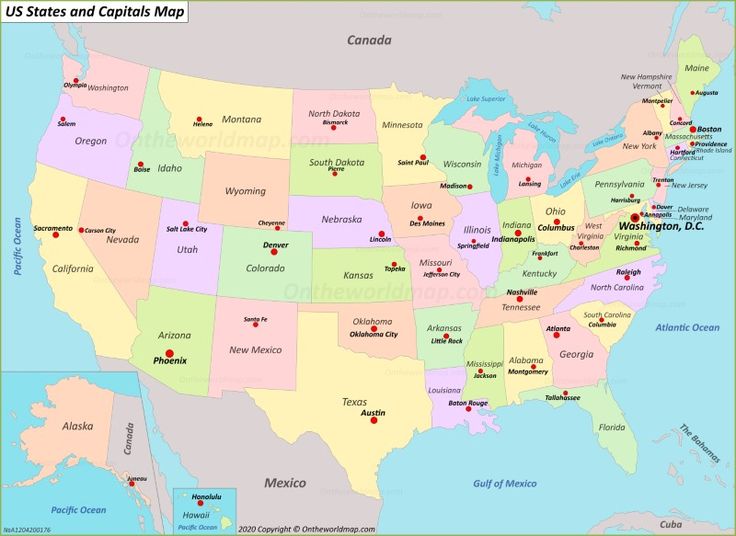
When you're trying to figure out what state uses Central Time, you run into a geographic puzzle because the zone doesn't follow neat state borders. Ten states sit entirely within the Central Time Zone, while another ten states are split between Central and either Eastern or Mountain time. This division shapes everything from prime-time television broadcasts to interstate business operations across the middle of the country.
Understanding this zone requires looking past simple state lines and examining the specific counties and regional boundaries that define the official time zones governed by federal law. If you're scheduling a meeting, catching a flight, or tracking a live broadcast, knowing these exact boundaries keeps your schedule intact.
Fully Contained Central Time States
Ten states fall completely inside the Central Time Zone. No matter which city you're visiting in these states, your clocks will read the same.
- Alabama: From the beaches of Gulf Shores to Huntsville, the entire state observes Central Time.
- Arkansas: Little Rock, Fayetteville, and every surrounding rural county stay on this schedule year-round.
- Illinois: Chicago down to Cairo operates entirely within the zone, making it one of the most populous states fully anchored here.
- Iowa: Agricultural hubs and university towns alike share a unified time across the state.
- Louisiana: New Orleans, Baton Rouge, and Acadiana stay locked into Central Time.
- Minnesota: The Twin Cities and the northern border woods share the same standard offset.
- Mississippi: From the Gulf Coast up to the Tennessee border, boundaries remain uniform.
- Missouri: St. Louis, Kansas City, and the Ozarks operate on identical clocks.
- Oklahoma: Tulsa, Oklahoma City, and the panhandle eastern borders stay fully aligned.
- Wisconsin: Milwaukee, Madison, and northern timber regions maintain the exact same local time.
Partially Split States in the Central Zone
Ten additional states are split down the middle by time zone boundaries. These borders often follow winding rivers, county lines, or historical railroad divisions.
Texas
Most of Texas is in the Central Time Zone, covering major economic engines like Houston, Dallas, Austin, and San Antonio. However, the far western corner—including El Paso and Hudspeth County—operates on Mountain Time.
Florida
The Florida panhandle west of the Apalachicola River is in the Central Time Zone, while the rest of the peninsula, including Miami, Orlando, and Jacksonville, runs on Eastern Time. This split means driving across the state line near Panama City changes your clock instantly.
Tennessee
Tennessee splits roughly in half. Middle Tennessee (Nashville) and West Tennessee (Memphis) are firmly in the Central Time Zone. East Tennessee, including Knoxville and Chattanooga, switches to Eastern Time.
Kansas
Nearly all of Kansas is Central Time, but four counties in the far western part of the state—Cheyenne, Rawlins, Sherman, and Wallace—bordering Colorado observe Mountain Time.
Nebraska
Nebraska is split diagonally. The eastern and central sections use Central Time, while the western third shifts to Mountain Time.
The Dakotas
Both North Dakota and South Dakota are divided. In North Dakota, the southwestern counties run on Mountain Time, while the rest uses Central. In South Dakota, the western half uses Mountain Time, and the eastern half uses Central.
Kentucky
Western Kentucky, including Owensboro and Paducah, uses Central Time. The eastern half of the state, including Louisville and Lexington, stays on Eastern Time.
Indiana
Most of Indiana operates on Eastern Time, but twelve counties split into two groups—six near Chicago and six near Evansville—observe Central Time to stay aligned with neighboring major economic centers.
Michigan
While almost all of Michigan runs on Eastern Time, four counties in the Upper Peninsula bordering Wisconsin (Gogebic, Iron, Dickinson, and Menominee) use Central Time to simplify daily commuting and trade.
Daylight Saving Time Quirks
The Central Time Zone shifts between Central Standard Time (CST), which is UTC-6, and Central Daylight Time (CDT), which is UTC-5. When Daylight Saving Time ends in November, clocks fall back one hour.
Not every jurisdiction follows this shift. While almost all of the United States observes Daylight Saving Time, parts of neighboring regions and international areas sharing similar offsets handle seasonal shifts differently. If you communicate internationally, keeping track of these rules prevents missed deadlines. You can check official guidelines via the National Institute of Standards and Technology for exact transition moments.
Common Mistakes When Scheduling Across Borders
Miscalculating time differences between states causes missed flights, late virtual meetings, and administrative mix-ups.
- Assuming state borders match time zones: Never assume an entire state shares a time zone just because most of it does. Crossing through Florida, Tennessee, or Kansas can shift your clock mid-drive.
- Forgetting local business hours: When calling a business in a split state like Kentucky or Indiana, verify which side of the invisible boundary their office sits on.
- Ignoring travel countdowns: Driving west across a time zone boundary gives you an extra hour, while driving east steals an hour. Plan your fuel stops and arrival times accordingly.
Frequently Asked Questions
What is the time difference between Central Time and Eastern Time?
Eastern Time is always one hour ahead of Central Time. If it is 2:00 PM in Chicago (Central), it is 3:00 PM in New York (Eastern).
Does all of Texas use Central Time?
No. While the vast majority of Texas uses Central Time, the extreme western region near El Paso uses Mountain Time.
Why do some states have two time zones?
State boundaries are drawn for political and historical reasons, whereas time zones are designed around commerce, transportation, and daylight usability. Large states like Texas or split states like Tennessee encompass regions tied economically to different hubs.
Do all areas in the Central Zone observe Daylight Saving Time?
Yes, across the U.S. portion of the Central Time Zone, all states observe Daylight Saving Time, shifting clocks forward in the spring and back in the autumn.



