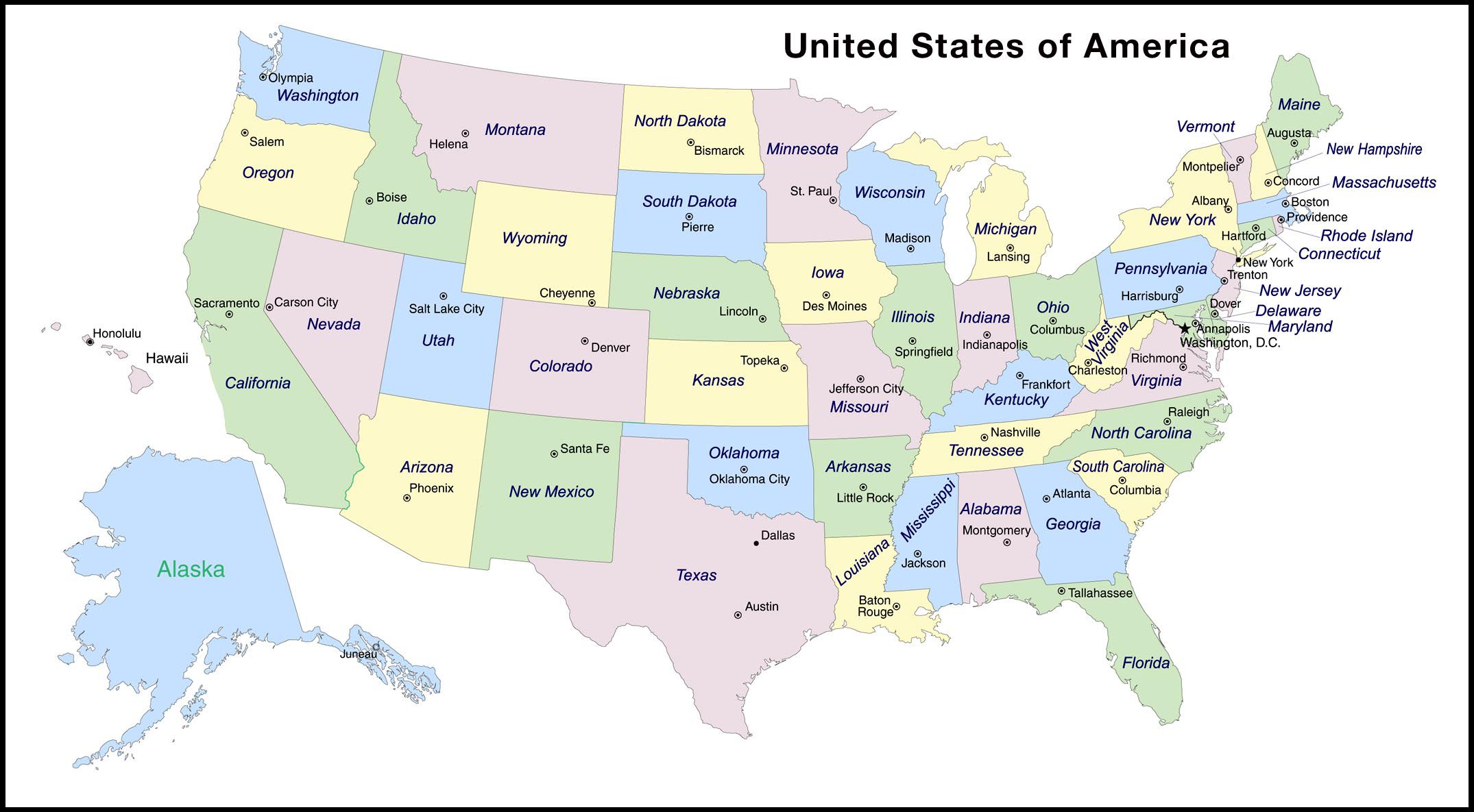
If you're trying to figure out which states fall into the Central Standard Time zone, you're looking at a geographic footprint that covers nearly a third of the United States population. Ten states sit entirely within this zone, while another ten are split between Central time and neighboring Eastern or Mountain zones.
Central Standard Time (CST) operates at UTC-6 during the winter months, shifting to Central Daylight Time (CDT at UTC-5) from the second Sunday in March to the first Sunday in November. Knowing exactly where these boundaries fall keeps you on track whether you're scheduling cross-country meetings, booking flights, or planning a road trip.
States Entirely Within the Central Time Zone
Ten states are contained completely within the Central Time zone. If you live in or travel to any of these states, you don't have to worry about internal time zone lines:
- Alabama
- Arkansas
- Illinois
- Iowa
- Louisiana
- Minnesota
- Mississippi
- Missouri
- Oklahoma
- Wisconsin
Major metropolitan hubs like Chicago, Minneapolis, St. Louis, Dallas, and New Orleans all sit comfortably inside this group, keeping commerce and travel synchronized across these core regions.
States Split Between Central and Other Zones
Ten states are split across different time zones. These divisions usually happen along major geographic barriers, state economic ties, or historical railway decisions.
States Split with Eastern Time
Four states share territory with the Eastern Time zone:
- Florida: The Florida panhandle west of the Apalachicola River observes Central time, while the rest of the state uses Eastern time.
- Indiana: Most of the state is Eastern, but six counties in the northwest (near Chicago) and six counties in the southwest (near Evansville) use Central time.
- Kentucky: The eastern half of the state runs on Eastern time, while the western half—including Bowling Green and Owensboro—uses Central time.
- Michigan: The bulk of the state follows Eastern time, but four counties in the Upper Peninsula bordering Wisconsin run on Central time.
States Split with Mountain Time
Six states bridge the gap between Central and Mountain time:
- Kansas: Nearly the entire state is Central time, except for four counties on the western border with Colorado that observe Mountain time.
- Nebraska: The eastern and central portions use Central time, while the western third shifts to Mountain time.
- North Dakota: The western half uses Mountain time, while the eastern and northern sections operate on Central time.
- South Dakota: The state splits down the middle; the western half is Mountain time, and the eastern half is Central time.
- Tennessee: East Tennessee and parts of Middle Tennessee (including Knoxville and Chattanooga) use Eastern time, while West Tennessee and major cities like Nashville and Memphis use Central time.
- Texas: Almost all of the Lone Star State is Central time, except for El Paso and Hudspeth counties (plus part of Culberson county) in the far western tip, which use Mountain time.
For more details on global time tracking and official offsets, consult the U.S. Naval Observatory time resources.
Daylight Saving Time Rules and Exceptions
Most areas in the Central time zone observe Daylight Saving Time (DST). When clocks move forward in March, the zone becomes Central Daylight Time (CDT, UTC-5). When they fall back in November, regions return to Central Standard Time (CST, UTC-6).
However, you should keep an eye out for regional rules if you do business internationally. While the United States and parts of Canada follow seasonal shifts, most of Mexico and Central America adjusted their observance laws in recent years, which can temporarily alter standard business hours between US offices and international partners.
To check official federal time zone boundaries and legal definitions, visit the Department of Transportation Time Zone Information.
Common Mistakes to Avoid
- Assuming state borders dictate time zones: Never assume an entire state shares a single time zone. Crossing Texas, Florida, or Tennessee can land you in a completely different hour without crossing a state line.
- Confusing standard and daylight designations: Remember that CST is strictly a winter designation (November to March). Calling it CST in July is technically incorrect—it's CDT during those months.
- Ignoring county-level lines: When traveling through the Dakotas, Nebraska, or Kansas, keep your phone's automatic time zone updates turned on. Crossing a single county line can throw your schedule off by an hour.
Frequently Asked Questions
What is the time difference between Central and Eastern time?
Central time is exactly one hour behind Eastern time. If it's 3:00 PM in New York (Eastern), it's 2:00 PM in Chicago (Central).
Do all parts of Texas use Central Standard Time?
No. While the vast majority of Texas uses Central time, El Paso and surrounding far-west counties operate on Mountain Standard Time.
Why are some states split into two time zones?
Time zones are often drawn along commercial trading routes, county petitions, and transportation lines rather than rigid state boundaries to ensure local communities keep business hours aligned with their closest major economic partners.
How does Daylight Saving Time affect the Central zone?
On the second Sunday in March, clocks spring forward one hour from CST to CDT. On the first Sunday in November, they fall back one hour from CDT to CST.



