The cell wall functions as a rigid extracellular matrix encasing the plasma membrane, providing structural support, shape, and protection against mechanical stress. Unlike animal cells, which rely on internal skeletons or extracellular matrices of varying flexibility, plants, fungi, algae, and bacteria possess this robust outer barrier to maintain cellular integrity under intense internal osmotic pressures. Without it, water influx would cause cells to swell and rupture.
Understanding how this biological armor works requires looking past simple definitions. The architecture of a cell wall varies dramatically across domains of life, dictating how organisms grow, defend against pathogens, and interact with their environments.
Plant Cell Wall Architecture and Layers
The plant cell wall is a dynamic, multi-layered structure composed primarily of polysaccharides like cellulose, hemicellulose, and pectin, alongside structural proteins. These components form an intricate composite material that balances extreme tensile strength with the flexibility needed for growth.
- Middle Lamella: This outermost layer acts as the intercellular glue. Rich in pectic polysaccharides, it binds adjacent plant cells together, establishing tissue cohesion.
- Primary Cell Wall: Formed while the cell is still growing, this layer contains cellulose microfibrils embedded in a gel-like matrix of hemicellulose and pectin. It remains thin and extensible, stretching dynamically as water uptake drives cell expansion.
- Secondary Cell Wall: Deposited inside the primary wall after growth ceases in specific cell types (such as xylem vessels), this thick layer often incorporates lignin. Lignin adds rigidity, waterproofing, and compressive strength, enabling tall plants to defy gravity.
According to the National Center for Biotechnology Information, these wall layers coordinate tightly during development, shifting their biochemical cross-links in response to mechanical strain or hormonal signals.
Managing Turgor Pressure
One of the most critical roles of the cell wall is managing turgor pressure. When plant cells accumulate water via osmosis, the vacuole expands, pushing the cell membrane outward against the rigid cell wall.
Instead of letting the cell burst, the wall pushes back with an equal and opposite wall pressure. This balance creates a firm, turgid state. Turgor pressure provides the hydraulic skeleton that keeps non-woody plants upright, drives cell elongation during development, and opens stomata for gas exchange. If turgor drops due to drought, the plant wilts because the walls lack outward hydraulic support.
Variations Across Kingdoms: Fungi and Bacteria
While plant walls rely heavily on cellulose, other organisms engineer their outer armor from entirely different chemical building blocks.
Fungal Cell Walls
Fungal walls consist largely of chitin—the same tough polymer found in arthropod exoskeletons—alongside beta-glucans and glycoproteins. This composition provides high tensile strength while maintaining enough plasticity for hyphal tip extension and spore formation. Fungi constantly remodel their cell walls via complex signaling networks, such as the protein kinase C pathway, to survive environmental stress.
Bacterial Cell Walls
Bacteria utilize peptidoglycan, a mesh-like polymer of sugars and amino acids. Microbiologists divide bacteria into two major categories based on wall structure:
- Gram-positive bacteria possess a thick peptidoglycan layer that retains crystal violet stain during Gram staining.
- Gram-negative bacteria feature a thin peptidoglycan layer sandwiched between the plasma membrane and an outer membrane containing lipopolysaccharides.
Because animal cells lack peptidoglycan entirely, this bacterial cell wall serves as a primary target for antibacterial drugs like penicillin, which disrupts cross-linking and causes bacterial lysis. Learn more about microbial structures through resources provided by the National Institutes of Health.
Common Misconceptions About Cell Walls
- Misconception: Cell walls are completely solid and impermeable. Reality: Cell walls are porous, allowing water, ions, and small molecules to move freely through spaces between microfibrils (apoplastic transport).
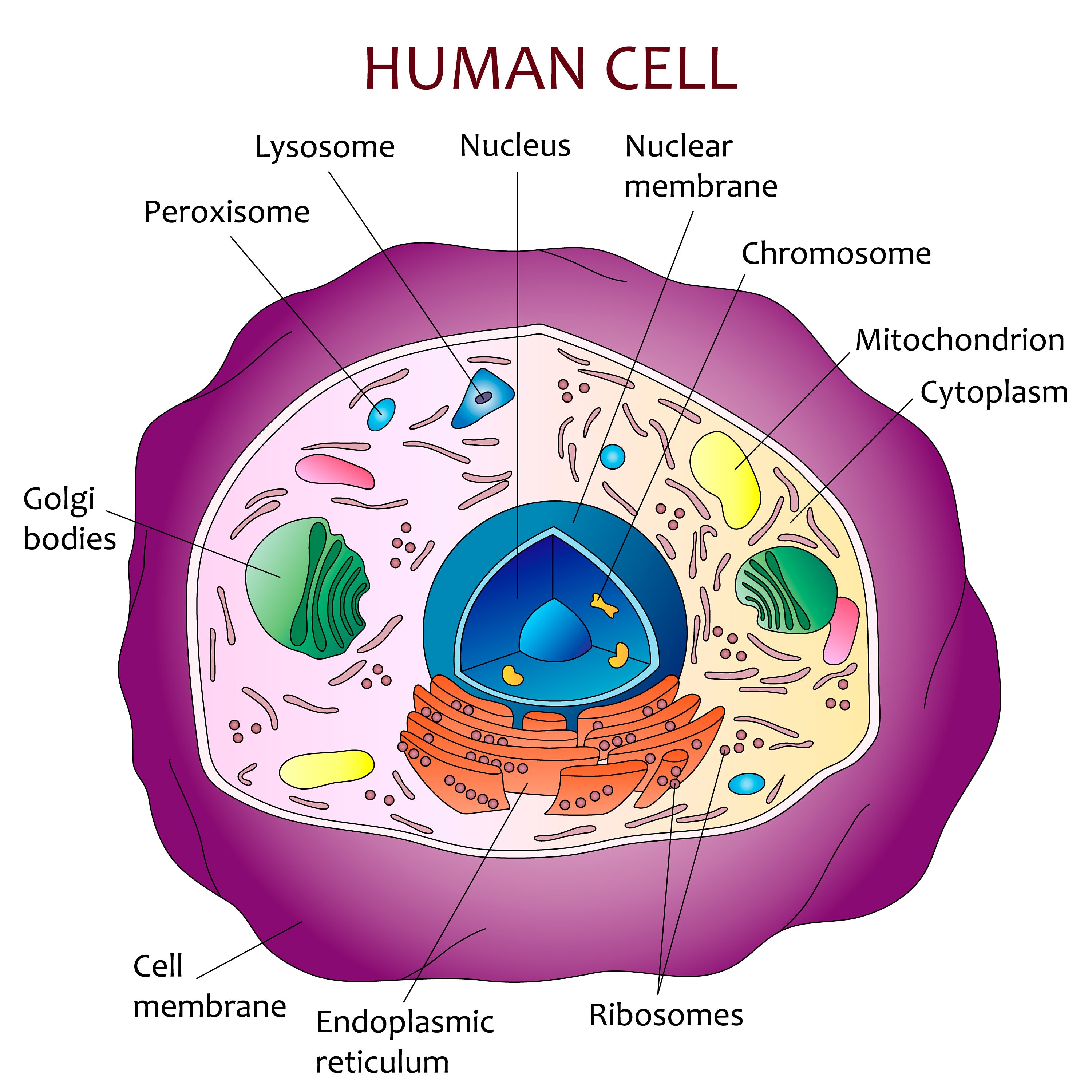
- Misconception: Animal cells have modified cell walls. Reality: Animal cells lack cell walls entirely, relying instead on specialized extracellular matrices made of collagen and proteoglycans.
- Misconception: Cell walls are static, dead structures. Reality: While the mature wall is extracellular and non-living, it is actively synthesized, monitored, and modified by living protoplasts throughout an organism's life cycle.
Frequently Asked Questions
Do all plant cells have secondary cell walls?
No. Secondary cell walls develop only in specific cell types that require extra mechanical support or water-transport efficiency, such as xylem vessels and fiber cells. Parenchyma cells involved in storage and photosynthesis retain only primary walls.
How do cell walls protect plants from pathogens?
The cell wall acts as the first physical barrier against invading fungi, bacteria, and viruses. Furthermore, during attempted infections, plants can reinforce local wall zones with callose or produce antimicrobial compounds within the matrix to halt pathogen entry.
Why don't human cells have cell walls?
Human and animal cells require mobility, phagocytosis, and complex tissue flexibility during embryonic development and immune responses. A rigid outer cell wall would prevent cellular movement and the dynamic shape changes required for muscle contraction and nerve signaling.
What happens when a cell wall is damaged?
Organisms possess surveillance mechanisms to detect wall stress. For instance, fungi activate cell integrity pathways to rapidly repair local damage, synthesizing extra chitin to patch compromised areas before osmotic lysis occurs.