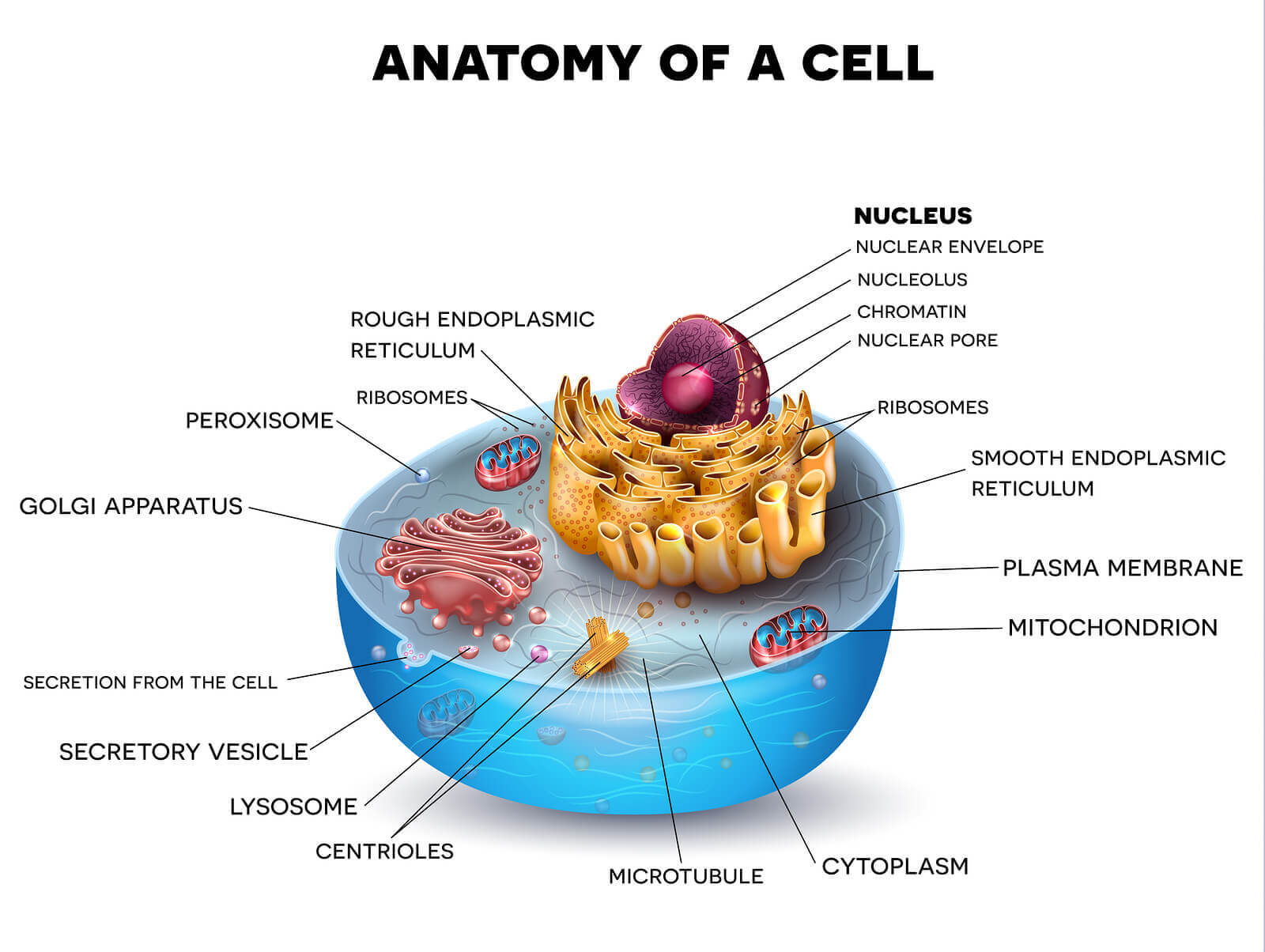
Mastering biological transport mechanisms requires looking closely at how the cell membrane functions as a selective gatekeeper. A cell and transport webquest guides students through digital animations and simulations to uncover how molecules cross the lipid bilayer without expending energy or through active metabolic processes.
Cells maintain internal stability through dynamic movement across their boundaries. Whether examining microscopic oxygen molecules slipping through lipid tails or large proteins pumping ions against gradients, understanding these dynamics clarifies how living systems survive.
The Architecture of the Cellular Highway
The plasma membrane isn't just a static wall; it's a fluid mosaic of phospholipids, cholesterol, and embedded proteins. This structure dictates what enters and leaves the cellular environment. Small, nonpolar molecules like oxygen and carbon dioxide slide right through the hydrophobic core. Larger or charged particles need specialized transport proteins to clear the barrier.
When tackling a webquest simulation, you'll notice how structure directly dictates function. Protein channels act as customized tollbooths, opening only for specific shapes or chemical charges. Without this selective permeability, internal chemistry would collapse within seconds.
Passive Transport: Traveling Down the Gradient
Passive transport relies entirely on kinetic energy and concentration gradients. Molecules naturally move from areas of high concentration to areas of low concentration until equilibrium is reached.
Simple Diffusion and Molecular Motion
Simple diffusion happens when small particles slip directly through the phospholipid bilayer. Think about dropping a sugar cube into a beaker of warm water. The molecules collide and spread out naturally until the solution is uniform. Temperature, molecular size, and concentration differences speed up or slow down this rate.
Facilitated Diffusion via Protein Channels
Larger polar molecules like glucose can't cross the lipid core on their own. Instead, they use facilitated diffusion. Carrier and channel proteins change shape or provide a hydrophilic tunnel, letting these molecules slide through safely. It's still passive because it doesn't require cellular energy (ATP), moving strictly down the concentration gradient.
Osmosis and Tonicity Dynamics
Osmosis is the specialized passive movement of water molecules across a selectively permeable membrane. Water flows toward areas with higher solute concentration to balance things out.
- Isotonic solutions have equal solute levels inside and outside the cell, maintaining normal shape.
- Hypertonic solutions feature higher solute concentrations outside, pulling water out and causing cells to shrivel.
- Hypotonic solutions feature lower solute concentrations outside, forcing water inward until the cell swells or bursts.
You can review core biological definitions and membrane structures directly through the National Center for Biotechnology Information.
Active Transport: Pumping Against the Flow
Sometimes cells need specific molecules inside, even when the outside concentration is already lower. This requires active transport, which burns ATP energy to push substances against their natural concentration gradient.
Protein Pumps and Ion Exchange
The sodium-potassium pump is a classic example of this process. It actively shoves sodium ions out of the cell while pulling potassium ions in, maintaining the electrical gradients needed for nerve impulses and muscle contractions.
Bulk Transport: Endocytosis and Exocytosis
When molecules are simply too large for standard protein channels, the cell changes its actual membrane shape.
- Endocytosis wraps the cell membrane around extracellular material, pinching off a vesicle to pull things inside.
- Exocytosis does the reverse, fusing an internal vesicle with the outer membrane to dump waste or proteins outside.
Common Student Misconceptions
Students often trip up on a few specific points during transport labs. Clearing these up early makes lab analysis much easier.
- Mistaking passive transport for free-for-all access: Even passive transport has rules. Membranes remain selective based on size, polarity, and charge.
- Confusing direction in osmosis: Water always follows solute concentration. High solute pulls water toward it.
- Assuming active transport means any moving particle: Remember that movement requires metabolic energy (ATP) only when going against a gradient.
Frequently Asked Questions
What is the primary difference between active and passive transport?
Passive transport moves molecules down their concentration gradient without using cellular energy. Active transport forces molecules against their gradient, requiring ATP expenditure.
Why can small molecules pass through membranes easily?
Small, nonpolar molecules like oxygen and carbon dioxide slip straight through the hydrophobic interior of the phospholipid bilayer without needing protein helpers.
What happens to an animal cell placed in a hypertonic solution?
Water rushes out of the cell to balance the external solute concentration, causing the cell to shrink or crenate.
Does facilitated diffusion require ATP?
No. Facilitated diffusion uses specialized protein channels, but it remains a passive process driven entirely by the existing concentration gradient.



