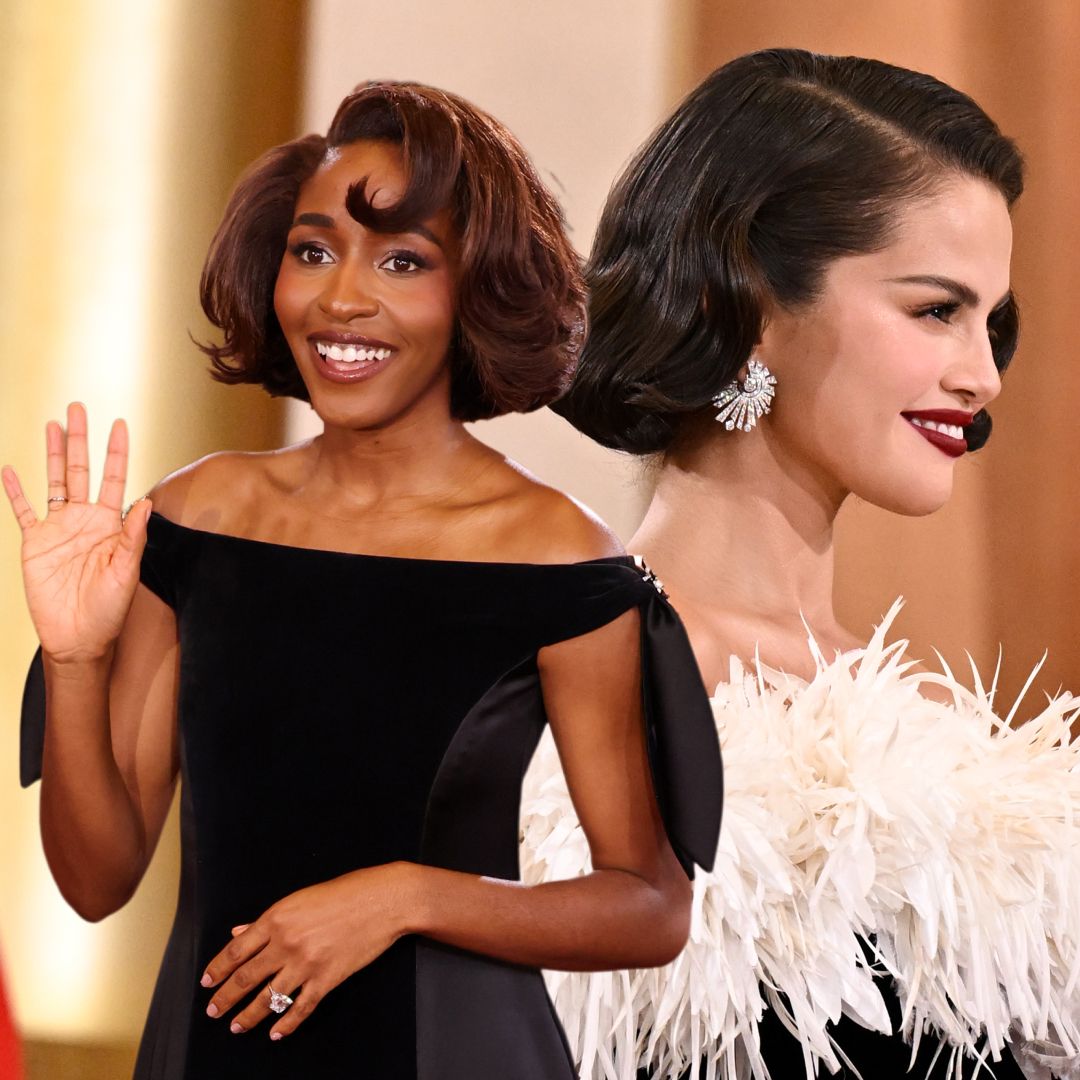
The celebeconomy describes a commercial ecosystem where fame functions as core currency, shifting consumer markets instantly through attention alone. When a famous individual backs a product, launches a direct-to-consumer brand, or mentions a company on social media, market valuations react in real time. Understanding this framework requires looking past simple advertising to examine how modern celebrity status controls consumer liquidity, alters supply chains, and dictates corporate equity values.
Stardom no longer relies solely on box office draws or chart-topping albums. Today's public figures build monetization engines that bypass traditional gatekeepers entirely, transforming passive fandom into active market participation. This shift rewrites the rules of brand equity, forcing legacy enterprises to compete directly with personalities who own their distribution networks.
The Evolution from Endorsement to Equity Ownership
Historically, famous actors and athletes acted as hired mouthpieces for consumer goods. They collected endorsement checks, shot television commercials, and walked away while parent corporations pocketed the upside. The modern marketplace operates under a different model entirely.
Today's major stars demand equity stakes, co-founder titles, and revenue-sharing agreements. When a prominent figure builds a brand from scratch—such as Rihanna's Fenty Beauty or Ryan Reynolds launching Aviation Gin—they capture margins that traditional advertisers never saw. Additional details on this are covered by CNBC.
- Direct-to-Consumer Control: Creators and stars launch direct-to-consumer platforms, owning customer data and inventory logistics without relying on retail middlemen.
- Equity Partnerships: Rather than flat fees, stars take ownership percentages, tying their personal brand value directly to corporate valuation.
- Algorithmic Distribution: Social channels let personalities broadcast products instantly to millions of followers, bypassing paid media spends.
Market Volatility and Financial Impact
The financial markets react aggressively to celebrity actions, whether intentional or accidental. Publicly traded companies experience sudden stock fluctuations based on a single public statement or social media post.
When a star encounters a public relations crisis, the financial penalty extends immediately to the balance sheets of associated brands. Conversely, an organic shoutout from a major cultural figure can resurrect dormant inventory or overwhelm supply chains overnight.
[Celebrity Action] ---> [Algorithmic Amplification] ---> [Retail Surge / Stock Shift] ---> [Inventory Realignment]
This direct pipeline between personal reputation and market capitalization creates unique risk profiles for investors. Corporate boards now factor celebrity volatility into risk management assessments, treating individual behavior as a material asset or liability.
The Rise of Micro-Celebrities and Niche Markets
While mega-celebrities still dominate global campaigns, the modern market fragments attention across niche communities. Micro-influencers and specialized content creators often drive higher conversion rates than mainstream movie stars because of perceived authenticity.
Consumers develop parasocial relationships with digital personalities who share daily routines, specialized knowledge, or specific subcultures. Brands tap into these segmented networks to target precise demographics with surgical accuracy.
- Trust Over Reach: Smaller audiences frequently convert at higher percentages due to high community trust.
- Niche Monetization: Specialized creators monetize through curated storefronts, Patreon memberships, and targeted affiliate marketing.
- Platform Diversification: Talent migrates fluidly across YouTube, TikTok, and subscription networks, maintaining multiple revenue streams.
Common Mistakes in Celebrity Marketing Strategies
Companies frequently miscalculate how to integrate famous personalities into their commercial strategies. Throwing capital at a high-profile name without strategic alignment often damages both the brand and the star.
- Ignoring Audience Mismatch: Hiring a major star whose followers share zero demographic overlap with the actual product buyers.
- Over-Saturation: Partnering with a single figure across too many competing brands, which destroys credibility and consumer trust.
- Neglecting Long-Term Value: Treating celebrity partnerships as a one-off stunt rather than an integrated part of product development and customer retention.
Frequently Asked Questions
What is the celebeconomy?
It describes the economic system where fame, personal branding, and audience attention directly drive market transactions, corporate valuations, and consumer spending trends.
How do modern celebrity brands differ from traditional endorsements?
Traditional endorsements involve paid actors promoting corporate-owned products. Modern celebrity brands rely on equity ownership, direct-to-consumer sales, and personal involvement in product design and marketing.
Why do micro-influencers sometimes outperform mega-celebrities?
Micro-influencers often maintain closer, more authentic relationships with their niche followers, leading to higher trust and better conversion rates for specialized products.
How do celebrity actions impact stock prices?
Public statements, endorsements, scandals, or unexpected product associations can instantly shift investor sentiment, causing measurable gains or drops in a company's market capitalization.


