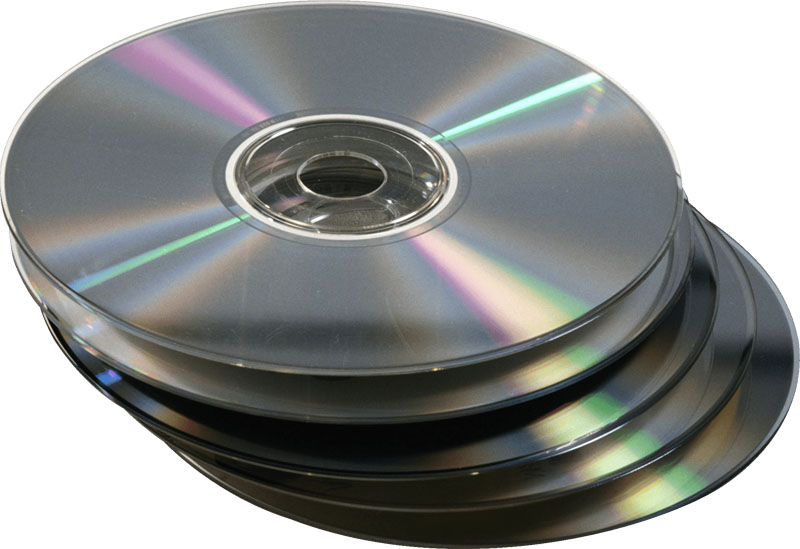
The Cd Mini Cd—often referred to simply as the 80mm or 3-inch compact disc—stands as one of the most distinctive physical formats of the late-20th-century audio boom. While standard audio CDs measured 120 millimeters and held up to 80 minutes of sound, these scaled-down discs offered a compact, lightweight alternative designed for portability, singles, and promotional releases. Though they never replaced full-sized albums, they captured a unique corner of consumer electronics history before digital files took over.
Understanding this format requires looking past standard nostalgia and examining the exact engineering constraints, hardware requirements, and market forces that shaped the mini disc era. From specialized tray designs to exact storage capacities, the format solved specific physical limitations while creating unique operational challenges for users and hardware manufacturers alike.
Technical Specifications and Physical Design
The physical dimensions of a mini CD diverged significantly from standard optical media, requiring distinct design considerations from hardware engineers. Standard compact discs utilize a 120mm diameter, but the 80mm mini variant shrank that footprint significantly while maintaining the exact same optical track pitch and laser reading mechanics.
- Diameter: Exactly 80 millimeters (approximately 3.15 inches), compared to the standard 120 millimeters.
- Audio Capacity: Typically limited to 21 to 24 minutes of uncompressed Red Book audio (or roughly 185 to 210 megabytes of data).
- Dual-Size Hub Design: Many early mini CDs featured a dual-ring molded plastic structure. The inner circle matched standard spindle sizes, allowing them to snap directly into the center spindle of modern tray-loaders without requiring an adapter ring.
- Laser Read Compatibility: They used the same 780 nm infrared laser wavelength as standard CDs, meaning any standard optical pickup unit could read the data pits, provided the hardware could physically accommodate the smaller disc dimensions.
Why the Format Was Created
Record labels and hardware makers didn't shrink compact discs on a whim. In the late 1980s, the CD format was winning the market against vinyl and cassettes, but portability remained a massive hurdle. Full-sized portable players (often called "Discmen" or portable CD players) were bulky, pocket-straining devices.
Shrinking the disc allowed manufacturers to build smaller, lighter hardware for commuters and joggers. Furthermore, record labels realized that releasing full albums on expensive silver discs wasn't financially efficient for short singles or promotional samplers. Selling a three-track single on an 80mm disc cost less to manufacture, shipped in lighter cardboard or slim plastic sleeves, and retailed at a lower price point that appealed directly to younger buyers. According to historical media tracking from the Recording Industry Association of America, single formats have always driven early adoption curves for new audio tech by lowering financial barriers for consumers.
Hardware Compatibility Issues and Solutions
Playing a mini CD was rarely as simple as sliding it into a home stereo or car dashboard. Because standard CD trays were molded exclusively for 120mm discs, dropping an 80mm disc straight onto a motorized spindle usually failed unless the tray featured a dedicated concentric inner indent.
Tray-Loaders vs. Slot-Loaders
- Tray-Loading Players: Many desktop CD players and early computer CD-ROM drives featured two concentric circles molded into the plastic tray. The outer ring held standard CDs; the inner ring locked mini CDs into place.
- Vertical and Slot-Loading Players: Car stereos, vertical wall-mount stereos, and slot-loading computer drives (like early slot-loading Macintosh computers) were notorious for swallowing mini CDs permanently. Without a mechanical tray to guide the 80mm edge, the disc would slip past the internal rollers and jam the mechanism, often requiring professional disassembly to retrieve.
The Snap-In Adapter Ring
To solve compatibility issues, manufacturers sold plastic adapter rings—thin, circular snap-on rings that clipped around the perimeter of the 80mm disc, expanding its total diameter back to 120mm. While these adapters allowed mini CDs to play safely in almost any standard tray or computer drive, high-speed spin rates (such as 32x or 52x CD-ROM drives) frequently caused the adapters to warp, wobble, or shatter inside the machine.
The Cultural Impact and Niche Survival
While major Western pop acts occasionally utilized the format for collectible CD singles (frequently containing a main track, an instrumental, and a b-side), the mini CD found its true spiritual home in Japan. In Japanese music markets, the 80mm format—known locally as the tanzaku CD due to its long, vertical cardboard packaging resembling traditional Japanese paper strips—became a massive phenomenon for J-pop singles throughout the 1990s. Millions of these narrow-packaged discs sold across Tokyo music shops, creating a distinct collector culture that persists today.
Beyond music singles, the format found utility in data distribution, device driver discs for early computer hardware, and interactive promotional mailers. Software companies frequently shipped compact installation utilities on mini CDs because they were cheap to mass-produce and lightweight enough to mail in standard envelopes.
Common Misconceptions About Mini CDs
- Myth: Mini CDs use a different audio encoding standard than regular CDs.
- Fact: They use the exact same Red Book audio standard (16-bit/44.1kHz PCM digital audio). The sound quality is identical to a full-sized CD; only the physical playing time is reduced.
- Myth: You can play mini CDs safely in any car CD player.
- Fact: Most slot-loading car stereos will trap 80mm discs permanently because the internal rollers lack the structural guide rails to grip a smaller disc diameter.
- Myth: Mini CDs are completely extinct.
- Fact: Independent musicians, cassette/vinyl micro-labels, and Japanese physical media collectors still occasionally commission limited-run 80mm audio CDs as novelty collector items.
Frequently Asked Questions
Can I play a mini CD in a modern computer or laptop?
Most modern slot-loading laptop optical drives will reject or trap mini CDs because they require a standard 120mm tray or center spindle clamp. If your computer uses a manual tray-loader with a concentric inner circle, it will usually read them without issue, provided your operating system supports the file format.
How much music can fit on a single mini CD?
An 80mm mini CD holds roughly 21 minutes of uncompressed stereo audio, or up to 210 megabytes of computer data.
Why did the format fade away if it was so convenient?
The rise of writable CD-R technology allowed consumers to burn custom compilations on full-sized discs, eliminating the need for pre-pressed specialty singles. Soon after, MP3 players and digital downloading platforms replaced physical singles entirely.
Are vintage mini CDs worth collecting today?
Japanese tanzaku pressings and rare promotional pop singles from the 1990s have a dedicated following among physical media collectors. Prices vary widely based on artist popularity, condition, and whether the original long cardboard packaging is intact.



