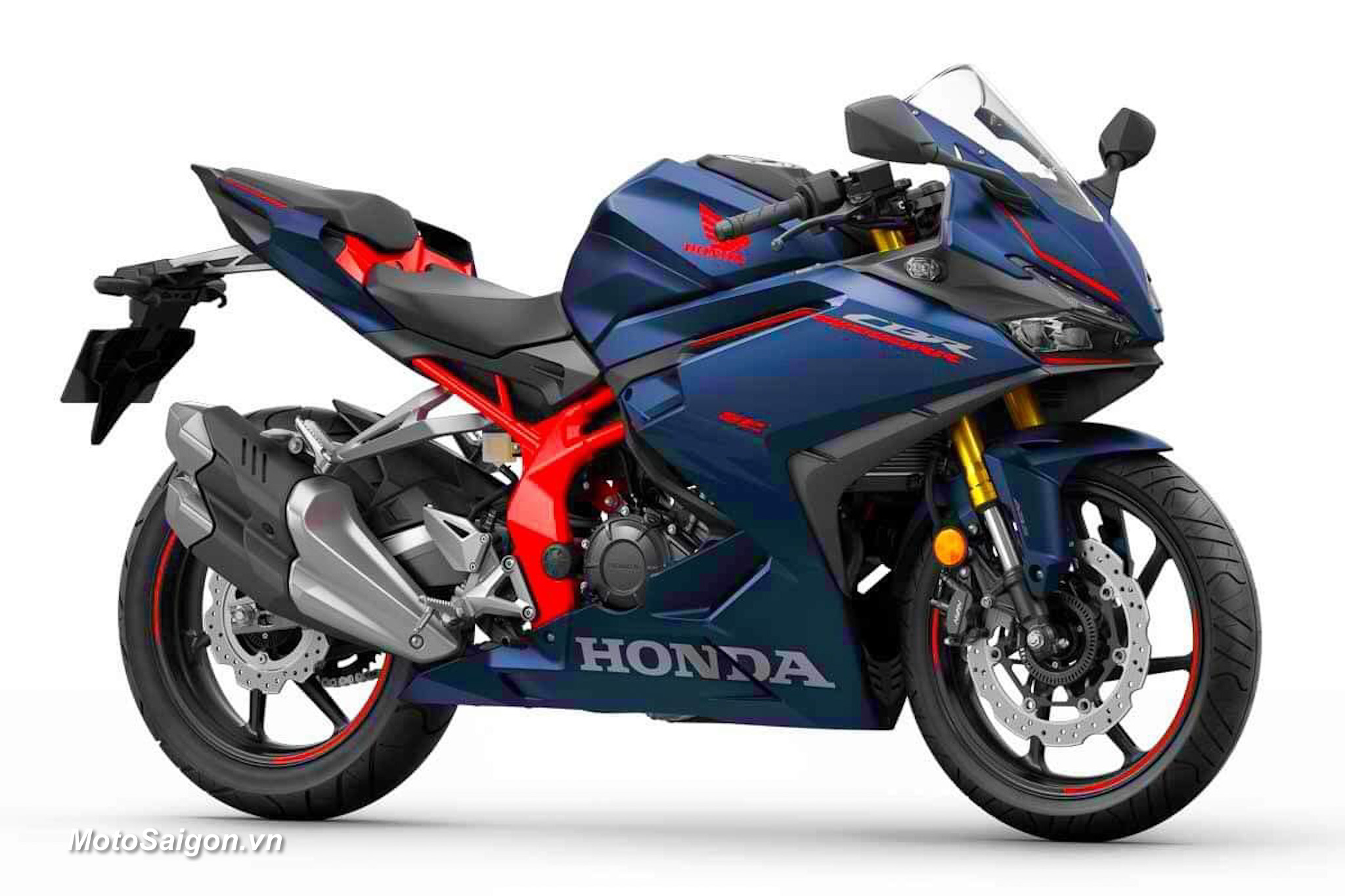
The Honda CBR250RR (MC22) doesn't just run; it sings. Pushing a 249cc inline-four layout to a staggering 19,000 RPM redline, this 1990s quarter-liter icon produces an acoustic signature frequently compared to a vintage Formula One car. While modern small-displacement bikes rely on parallel-twins or singles that thump or drone, the MC22 utilizes micro-engineered internal combustion dynamics to generate a high-pitched, spine-tingling shriek that remains unmatched in motorcycle history.
Understanding this mechanical symphony requires looking past basic nostalgia. The bike's legendary acoustic profile stems from extreme piston speeds, a gear-driven cam train, and tightly packed combustion chambers that force sound waves into a rapid-fire frequency band. This guide dissects why the CBR250RR sounds the way it does, how its mechanical components interact to create that signature scream, and what owners must do to preserve its acoustic health.
The Mechanical Genesis: Why Small Cylinders Scream
To understand the sound, you have to look at the math inside the engine block. The MC22 utilizes four tiny, shot glass-sized cylinders packed into a 249cc displacement. Each piston has a microscopic bore and a very short stroke, allowing the internal assembly to change direction with minimal inertial resistance.
When an engine scales down cylinder volume while retaining an inline-four layout, the firing intervals become remarkably dense. At 19,000 RPM, the crankshaft completes over 300 rotations every single second. The exhaust pulses merge so closely together that the human ear stops hearing individual combustion events and instead perceives a continuous, high-frequency acoustic wave—essentially a mechanical siren.
The Gear-Driven Cams Factor
Adding to the core engine noise is the gear-driven camshaft setup. Unlike modern motorcycles that use chain-driven setups prone to slack and dampening, Honda used a cascade of precision-cut steel gears to drive the dual overhead cams. This adds a subtle, mechanical whir beneath the exhaust note—a jet-like turbine whine that blends with the exhaust note as engine speed climbs.
The Acoustic Journey: From Idle to Redline
The sound of an MC22 changes character dramatically across its tachometer. Riders experience three distinct acoustic stages as the needle sweeps upward:
- The Low-RPM Purge (Idle to 7,000 RPM): Down low, the engine sounds civilized, almost docile. It produces a smooth, tight hum with a subtle mechanical chatter from the valve train.
- The Mid-Range Crescendo (8,000 to 13,000 RPM): The tone hardens. The exhaust note sharpens from a deep murmur into an aggressive bark as gas velocity inside the headers accelerates.
- The High-RPM F1 Scream (14,000 to 19,000 RPM): This is where the magic happens. The bike transitions into an unmistakable, high-pitched wail. Gas pressure waves exit the exhaust ports with such velocity that the machine mimics a grand prix racer tearing down a straightaway.
Aftermarket Exhausts: Amplifying or Ruining the Tone
Because the factory headers and mufflers were heavily restricted to meet historical Japanese domestic market noise and power caps, many owners swap the stock system for aftermarket alternatives. However, changing the exhaust changes the frequency distribution entirely.
- Stainless Steel Full Systems: Brands like Vandemon build precision-tapered 4-2-1 headers that preserve the crisp, high-frequency scream while unlocking a cleaner midrange pull.
- Slip-On Mufflers: Bolt-on units like the Musarri alter the backpressure, deepening the tone slightly at lower RPMs while maintaining the top-end howl.
Avoid poorly matched, cheap universal mufflers. A straight-pipe or oversized can ruins the acoustic resonance, turning the refined F1 shriek into an abrasive, hollow rattle.
Common Maintenance Pitfalls That Muffle the Sound
An unhealthy engine sounds flat. If your CBR250RR loses its crispness, neglect is usually the culprit.
- Skipped Valve Clearances: Tight or out-of-spec shims rob the engine of compression and alter valve lift timing, dampening the crisp snap at high RPMs. Check clearances religiously every 10,000 kilometers.
- Old Oil and Filter Build-up: With tiny components spinning at 19,000 revolutions per minute, oil degradation creates internal drag. Fresh oil keeps the gear-driven cams spinning smoothly.
- Exhaust Leaks at the Headers: Tiny pinhole leaks or worn copper gaskets upstream ruin the pressure wave dynamics, introducing an ugly sputtering sound that overpowers the clean exhaust note.
Frequently Asked Questions
Why don't modern 250cc bikes sound like the CBR250RR?
Modern 250cc motorcycles typically use single-cylinder or parallel-twin layouts to reduce manufacturing costs and boost low-end torque for city commuting. They lack the multi-cylinder architecture and high-revving lightweight internal components required to produce high-frequency acoustic waves.
Is it safe to regularly hit 19,000 RPM on an MC22?
Yes, provided the engine is fully warmed up and meticulously maintained with regular oil changes. Honda engineered these powerplants to handle high revs, but running a cold engine hard accelerates wear on the delicate valve train.
Does the CBR250RR feature a VTEC system?
Strictly speaking, the classic MC22 does not feature automotive-style variable valve timing. Its legendary acoustic shift comes purely from the sudden surge in exhaust gas velocity and volumetric efficiency as the engine enters its upper power band.
How can I preserve the stock exhaust sound without getting tickets?
Look for slip-on mufflers that include removable dB baffles or sound inserts. These retain the crisp inline-four tone under hard acceleration while keeping decibel levels low enough for urban street riding.


