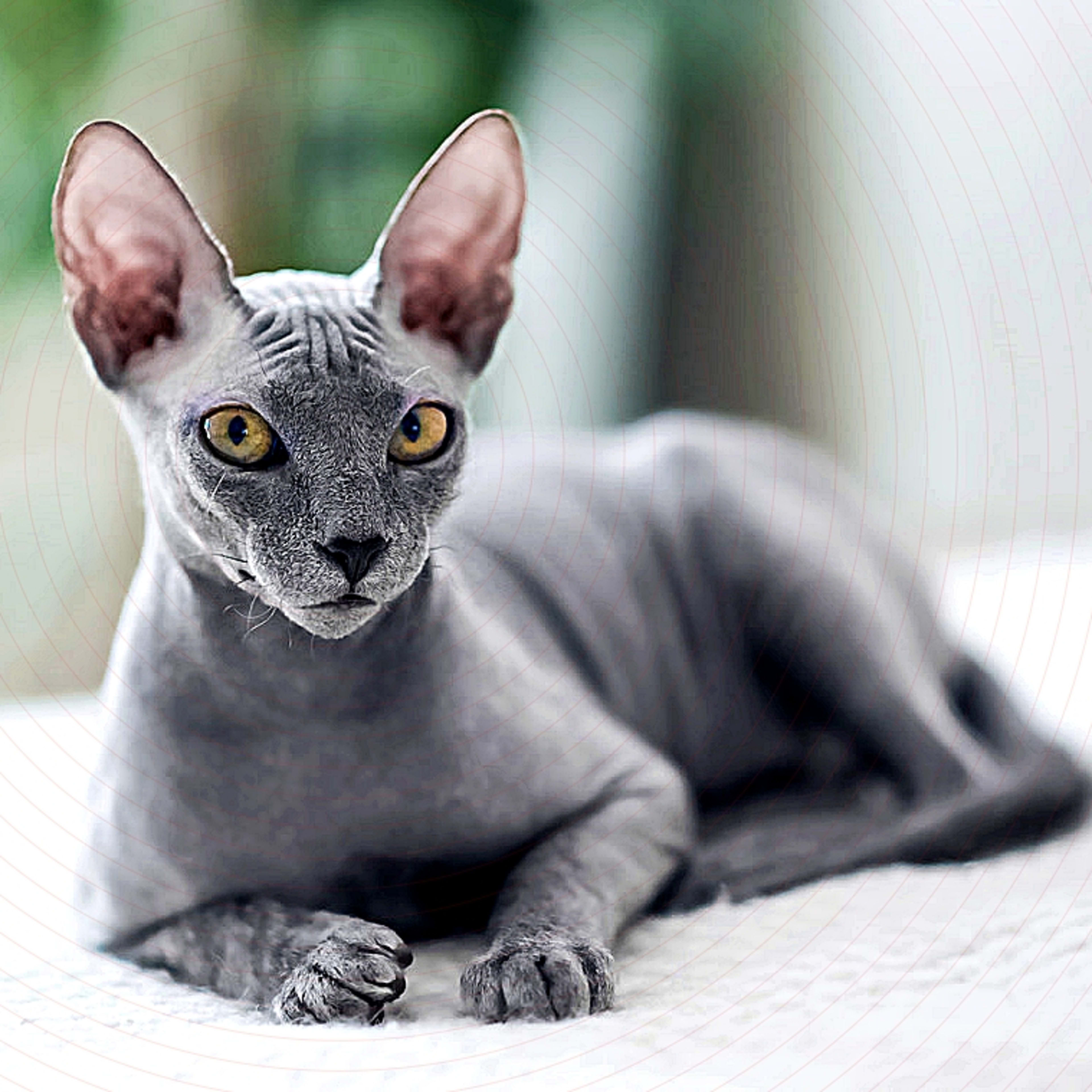
Cats have spent centuries occupying a curious dual status: they're domestic companions sleeping across our keyboards, yet they're mysterious muses that refuse to be fully owned. When artists translate that slippery personality onto canvas, paper, or digital screens, something special happens. We look at cats illustrated through various creative mediums not just as pictures of pets, but as cultural snapshots of how humans interact with independence, grace, and subtle humor.
The appeal goes back much further than modern internet communities or niche online galleries. From ancient Egyptian limestone reliefs to contemporary digital speed-paintings on ArtStation, feline subjects challenge creators to capture texture, movement, and attitude with minimal strokes. If you've ever tried to sketch a cat that won't stop shifting its paws, you know why feline illustration remains a respected test of draftsmanship.
The Evolution of Feline Visual Culture
Long before digital platforms centralized art sharing, felines dominated early print culture. Victorian illustrators like Louis Wain turned anthropomorphic cats into cultural phenomena, drawing cats playing poker, attending tea parties, and wearing spectacles. Wain's work shifted from whimsical observation into intricate, psychedelic patterns as his mental health changed, offering a haunting historical record of how one artist's internal world mirrored his feline fixation.
Today, the ecosystem of cat illustration spans several distinct schools:
- Minimalist Line Art: Single-stroke drawings that capture a sleeping curve or a stretch in three fluid lines.
- Classical Anthropomorphism: Descendants of Wain's style, dressing cats in period costumes for storybook illustration.
- Hyper-Realistic Digital Painting: Detailed fur rendering that mimics traditional oil techniques using software like Procreate or Photoshop.
- Pop-Surrealism: Neon-drenched, stylized felines often paired with retro typography or cosmic backgrounds.
Understanding why these styles resonate requires looking at how artists solve specific visual problems when drawing cats.
Technical Challenges in Cat Illustration
Rendering a cat convincingly demands more than knowing basic animal anatomy. Unlike dogs, whose facial muscles telegraph straightforward emotions like excitement or loyalty, cats maintain an inscrutable facade. An illustrator has to rely entirely on ear position, whisker spread, and spinal curvature to convey mood.
Capturing Body Language and Fluidity
Cats are famously liquid. Their spines allow for extreme flexibility, which means static drawings often look stiff unless the artist understands weight distribution. When you look at successful cats illustrated portfolios, notice how the negative space around the animal creates tension. A curled sleeping cat forms a closed, protective circle, whereas an arched-back Halloween pose relies on sharp triangles that signal sudden alertness.
Texture and Fur Dynamics
Conveying soft fur without making a drawing look like a muddy smudge is a constant hurdle for beginners. Digital artists often rely on textured brushes, but traditional watercolorists have to master the art of wet-on-dry techniques to suggest soft undercoats while keeping hard edges around the eyes and nose.
"A cat's silhouette is so iconic that you can often recognize the animal in pitch-black shadow just by the curve of its ears and tail."
Where Feline Art Meets Modern Collecting
The market for original cat illustrations and prints has grown alongside digital pet culture. Independent creators sell physical prints, custom pet portraits, and zines through platforms like Etsy, while larger institutions host exhibitions dedicated exclusively to animal portraiture.
Commissioning custom art of a pet has become a popular alternative to standard photography. Owners look for artists who can capture their specific cat's unique scowl, missing tooth, or lazy lounging posture. This personalized approach turns standard pet ownership into a collaborative artistic record.
Common Mistakes When Drawing Cats
If you're stepping into feline illustration yourself, certain pitfalls show up repeatedly in early work:
- Over-rendering whiskers: Drawing every single hair makes the face look rigid. Suggesting whiskers with a few sharp, well-placed lines works much better.
- Misjudging eye placement: Cat eyes face forward more than many wild felines, but they aren't human eyes. Placing them too high or making pupils too round destroys the predatory gaze.
- Ignoring the tail as a counterbalance: The tail isn't just an accessory; it's a rudder. Ignoring it leaves sitting or walking poses looking unbalanced.
Frequently Asked Questions
What makes cat illustrations so popular in modern interior design?
Cats carry symbolic weight representing comfort, independence, and mystery. Neutral line art styles fit minimalist home aesthetics, while vibrant pop-art cat prints add personality to eccentric spaces without feeling cluttered.
How do digital artists achieve realistic fur texture without overworking the piece?
Most professional illustrators use a combination of hard-edged blocking for base shapes and soft blending brushes only in shadowed areas. They reserve fine, individual hair strokes for high-contrast focal points like the bridge of the nose and the tips of the ears.
Are there historical archives dedicated entirely to cat art?
Yes, libraries and museums hold extensive collections of early printed books, Japanese woodblock prints by artists like Utagawa Kuniyoshi (who was famously obsessed with cats), and Victorian periodicals featuring feline illustrations.
What is the best medium for beginners wanting to illustrate cats?
Pencil sketching on textured paper is the best starting point because it allows you to practice quick gesture drawing before worrying about color theory or digital layer management.


