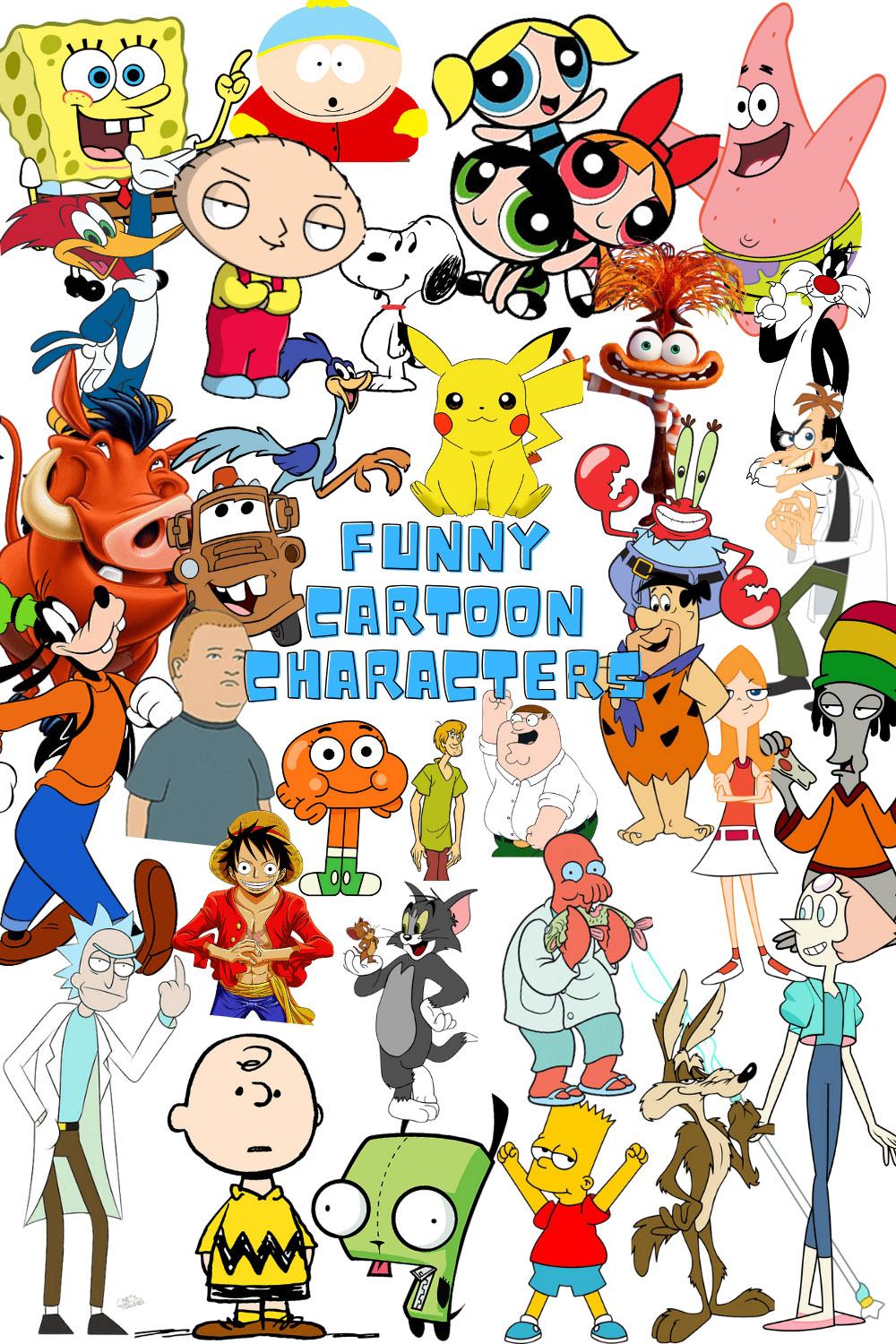
Cartoon Network Arabic serves as a free-to-air television channel broadcasting across the Middle East and North Africa. Launched on October 10, 2010, from Dubai Media City, it provides localized animated programming dubbed in Modern Standard Arabic to millions of households without requiring a subscription. Owned by Warner Bros. Discovery through its international networks division, the channel bridged a major gap in children's entertainment across the Arab world by offering high-quality global animation tailored linguistically and culturally to regional viewers.
The network's arrival changed how international franchises entered the regional market. Instead of relying purely on English-language pay-TV platforms, families gained access to a dedicated free-to-air channel that broadcast iconic series in Arabic. This shift established a unified viewing experience for children from Morocco to the Gulf, shaping an entire generation's pop culture landscape.
Origins and Launch Strategy
The channel officially went live at 10:10 AM on October 10, 2010 (10/10/10 at 10:10). This symbolic launch time coincided with the official opening of Turner Broadcasting System Europe's offices in Dubai Media City. Initially, the channel operated as a free alternative to subscription-based networks like beIN, ensuring that financial barriers didn't block access to popular children's content.
Broadcasting in an open-air format allowed the network to capture massive ratings rapidly. By removing subscription paywalls, it outpaced competitors that required expensive satellite receivers or monthly packages. The Dubai headquarters managed regional distribution, advertising sales, and localized content curation, ensuring the broadcasts complied with regional broadcast standards while maintaining the core appeal of Western and international cartoon franchises.
Localization and Dubbing Excellence
A key driver behind the channel's success is its commitment to high-standard Modern Standard Arabic (MSA) dubbing. While many regional channels historically relied on Egyptian or Levantine dialects, Cartoon Network Arabic chose MSA to bridge linguistic variations across different Arab countries. This choice ensured that children across diverse markets could follow complex storylines effortlessly.
Voice acting studios in Lebanon, Syria, and Egypt played a massive role in bringing characters to life. Iconic catchphrases and character voices were meticulously adapted so jokes, emotional beats, and action sequences resonated with Arab youth. Furthermore, the channel carefully adapted content to suit regional cultural norms, editing visual elements or dialogue where necessary without losing the comedic or narrative integrity of the source material.
Programming Evolution: From Classics to Modern Hits
The channel's lineup has evolved through distinct eras, reflecting shifts in global animation styles and viewer preferences.
The Early Era (2010–2015)
During its first few years, the network relied heavily on classic Turner library titles alongside contemporary hits. Shows like Ben 10, The Amazing World of Gumball, and Adventure Time formed the backbone of the schedule. Regional adaptations also found a temporary home here, alongside early preschool blocks like Cartoonito.
The Expansion and Modern Era (2016–Present)
As production techniques shifted toward digital distribution and fast-paced storytelling, the channel integrated modern smash hits such as Teen Titans Go!, We Bare Bears, and localized versions of global franchises. The schedule expanded to include interactive programming blocks and digital tie-ins via Warner Bros. Discovery digital portals, allowing fans to engage with short-form content and mobile games.
Economic and Cultural Impact
Cartoon Network Arabic proved that free-to-air children's television could thrive through ad-supported models in the Middle East. It attracted major multinational and regional advertisers looking to target households with children.
Culturally, the channel created a shared touchstone for kids growing up in the 2010s and 2020s. Memes, character catchphrases, and fandom communities sprouted across regional social media platforms, uniting youth across geopolitical borders through shared viewing habits.
Common Misconceptions
Viewers often confuse Cartoon Network Arabic with Cartoon Network MENA. While both broadcast animated content in the region, Cartoon Network Arabic is a free-to-air channel utilizing Modern Standard Arabic, whereas Cartoon Network MENA historically catered to pay-TV subscribers with dual-audio options (English and Arabic). Another common error is assuming the channel produces all its content locally; the vast majority of shows are international hits dubbed specifically for the Middle East market, supplemented by occasional regional co-productions.
Frequently Asked Questions
Is Cartoon Network Arabic completely free to watch?
Yes, it broadcasts as a free-to-air channel on major regional satellites like Nilesat and Arabsat, meaning viewers don't need a paid subscription to watch it.
What language are the shows dubbed in?
The shows are primarily dubbed in Modern Standard Arabic (MSA) to ensure children across the entire Middle East and North Africa can understand them clearly.
When did Cartoon Network Arabic launch?
The channel officially launched on October 10, 2010, at 10:10 AM from its hub in Dubai Media City.
Can viewers watch Cartoon Network Arabic online?
Warner Bros. Discovery provides various digital streaming avenues, clips, and apps depending on regional licensing agreements and local digital partners.


