When people hear "Jambalaya (On the Bayou)," their minds usually rush straight to Hank Williams' legendary 1952 upbeat country-dance standard. Yet, in 1973, The Carpenters reimagined the track on their album Now & Then, stripping away the frantic Cajun stomp and replacing it with a mellow, acoustic-driven pop arrangement. Karen Carpenter’s contralto delivery completely reframes the song, transforming a party anthem about swamp cooking and Saturday night dances into a study of homesick longing and Southern atmosphere.
Analyzing the song requires looking past common misconceptions. Many casual listeners assume The Carpenters wrote the track, or they confuse Karen and Richard Carpenter's interpretation with Hank Williams' original Cajun-inflected fiddle tunes. This guide unpacks the history of the song, the distinct stylistic choices made by The Carpenters, and the lyrical evolution from a regional dance tune to a sophisticated pop-country crossover.
From Cajun Roots to Country-Pop: The Song's Origin Story
To understand The Carpenters' version, you have to look at how Hank Williams built the song in 1952. Williams based the melody loosely on the Cajun fiddle tune "Grand Texas," which tells a heartbreaking story of a man leaving his home on the Texas border for the Louisiana bayou. While "Grand Texas" was a song of heartbreak and exile, Williams flipped the mood, writing lively, bouncy lyrics about Yvonne, campfires, and Creole cuisine.
"Jambalaya, crawfish, pie, filé gumbo / 'Cause tonight I'm gonna see my ma cher amie."
Williams created a fictionalized, romanticized Cajun Louisiana that appealed to postwar American audiences eager for regional folklore. When Richard Carpenter arranged the song two decades later, he didn't return to the sorrowful roots of "Grand Texas," but he did slow the tempo down considerably. By subduing the frantic two-step rhythm into an easygoing soft-rock groove featuring acoustic guitars and electric piano, The Carpenters allowed the story to breathe.
Vocal Delivery and Arrangement Choices
Richard Carpenter was a master of studio arrangements, building lush, multi-tracked vocal harmonies that became a trademark of the duo's sound. On "Jambalaya (On the Bayou)," however, he kept the backing relatively uncluttered to let Karen’s lead vocal sit front and center.
- Acoustic Texture: The track relies heavily on clean acoustic guitar strumming and subtle percussion, giving it an organic, porch-front feel rather than a polished stadium-pop sheen.
- Harmonic Layering: Rather than dense 16-part vocal walls, the backing harmonies are warm and sparse, mimicking traditional country harmony groups rather than high-gloss pop choirs.
- Pacing: By dropping the tempo below Williams' brisk gait, Karen infuses the lyrics with a sense of warm afternoon stillness, turning a dance number into a leisurely swamp-side reflection.
This shift in arrangement alters the emotional weight of the words. When sung at breakneck speed, lines about "pickin' guitar, fillin' fruit jars" sound like a Saturday night checklist. When delivered in Karen Carpenter’s smooth, melancholic tone, those same lines sound like memories of a simpler life recalled from far away.
Examining the Cultural Imagery in the Lyrics
The song’s staying power rests entirely on its specific Louisiana imagery. Even though Hank Williams was from Alabama and the Carpenters were from Connecticut and California, the song captures real elements of Creole and Cajun culture that resonate across American music history.
Food as Cultural Identity
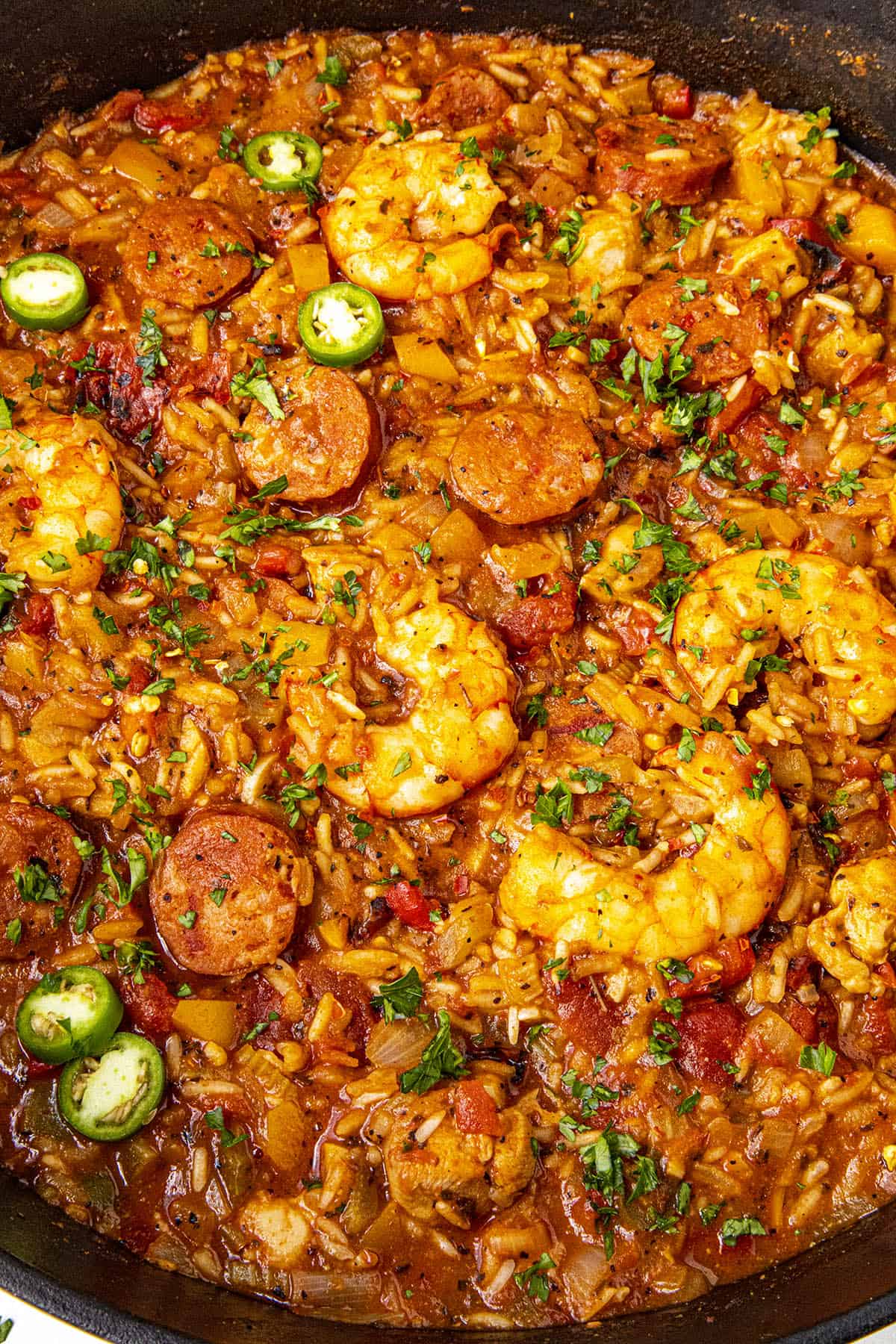
Mentioning jambalaya, crawfish pie, and filé gumbo anchors the song in the culinary traditions of south Louisiana. Filé powder—made from dried sassafras leaves used by the Choctaw people—and jambalaya represent a blend of French, Spanish, African, and Native American influences. For listeners outside the Gulf Coast, these foods served as exotic markers of a distinct regional identity.
Geography as Folklore
References to the bayou, the yellow beans, and the cypress trees paint a vivid picture of wetland geography. In American songwriting, the deep South often serves as a mythic landscape representing slower time, deep familial roots, and a connection to the land that industrial America was rapidly losing in the 1970s.
Common Misconceptions About The Carpenters' Version
Listeners frequently encounter a few persistent myths regarding this specific recording. Clearing these up helps place the song in its proper historical context.
- Myth: The Carpenters wrote the song. Fact: Hank Williams wrote and originally recorded "Jambalaya (On the Bayou)" in 1952. It has since been covered by hundreds of artists, including Brenda Lee, Jerry Lee Lewis, and Emmylou Harris.
- Myth: The Carpenters' version was a massive Billboard chart-single in the United States. Fact: While Now & Then was a commercial blockbuster, "Jambalaya" was primarily released as a single internationally—scoring massive success in countries like Japan, the UK, and Australia—rather than being pushed as a primary US radio single.
- Myth: The song is a traditional Cajun folk tune with unknown authorship. Fact: Despite its heavy reliance on Cajun tropes, the melody and lyrics are officially credited solely to Hank Williams, though copyright disputes early on noted its structural similarity to "Grand Texas."
For deeper historical background on how regional folk music crossed over into mainstream country charts, you can explore resources from the Library of Congress National Recording Preservation Board. To read about the duo's wider discography and recording sessions, visit the Official Richard Carpenter Website.
Frequently Asked Questions
Did Hank Williams write Jambalaya after visiting Louisiana?
Not entirely. While Williams toured the Gulf Coast frequently and absorbed local color, music historians note that "Jambalaya" was cobbled together from traditional floating melodies and standard Cajun lyrical tropes rather than a specific personal journal entry.
Why did The Carpenters choose to cover a country song?
Richard and Karen Carpenter grew up listening to a wide variety of American music on the radio, including traditional pop, jazz, and classic country. Their album Now & Then featured an entire side dedicated to oldies and covers, allowing them to pay homage to the foundational sounds of their childhoods.
Is the song Cajun or Creole?
Lyrically and culturally, the song bridges both worlds. Jambalaya and gumbo are staples of both Cajun country culture and New Orleans Creole cuisine, though the song's general aesthetic leans heavily into rural Cajun iconography.
What instruments are used in The Carpenters' arrangement?
The track features prominent acoustic guitars, bass, subtle drums, electric piano, and signature multi-tracked backing vocals arranged by Richard Carpenter.



