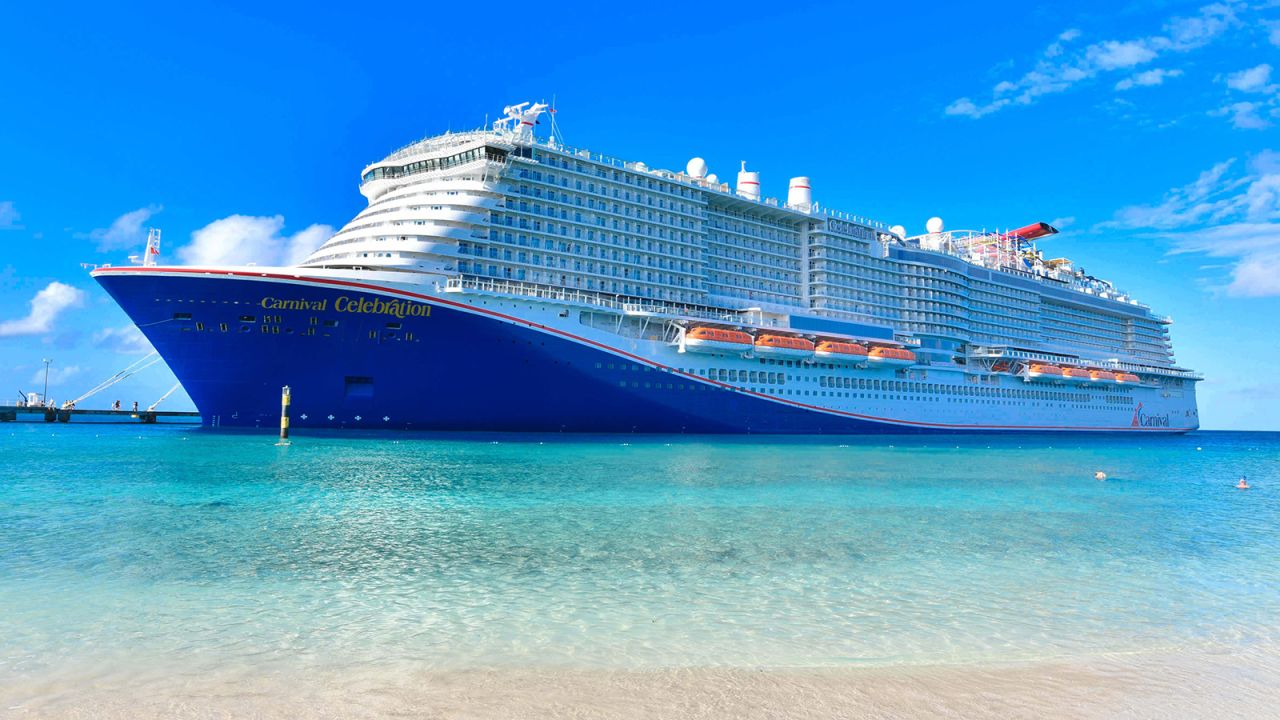
Managing the social pulse of a massive mega-ship requires a precise mix of showmanship, operational coordination, and relentless energy. A Carnival Mardi Gras cruise director serves as the primary face of onboard entertainment, guiding thousands of passengers through a floating city while directing a large team of hosts, performers, and technical crew. Understanding how this role functions behind the scenes reveals the exact formula required to keep a massive vessel running smoothly.
This guide breaks down the core responsibilities, daily schedules, leadership dynamics, and specific entertainment structures that define a successful voyage aboard this class of ship.
Understanding the Role of a Cruise Director
A cruise director operates as both an executive event manager and a high-energy public host. On a mega-ship like the Carnival Mardi Gras—which accommodates over 5,000 guests—the position extends far beyond making daily public address announcements or introducing evening shows.
The job requires balancing competing priorities across several departments:
- Public Engagement: Acting as the main welcoming presence during embarkation, hosting high-profile game shows like Family Feud Live, and setting the emotional tone for the entire vacation.
- Operational Alignment: Collaborating daily with the hotel director, food and beverage teams, technical crew, and safety officers to ensure guest activities align with ship movements and port schedules.
- Team Supervision: Directing a large roster of entertainment hosts, disc jockeys, dancers, and activities staff to ensure consistent performance quality across multiple venues.
The Daily Operational Routine
Long before most passengers wake up to check the daily schedule, the cruise director is already reviewing logistics. A typical day involves continuous assessment of weather conditions, port arrivals, and venue capacities.
Morning briefings establish the framework for the day. If high winds or rough seas force the closure of outdoor deck attractions like the BOLT roller coaster, the entertainment team must pivot instantly. Indoor alternatives—such as trivia contests in the lounges or extra screenings—must be scaled up immediately to absorb displaced crowds.
Afternoon hours are spent making public appearances, checking in on activity spaces like Grand Central or the pool decks, and recording promotional content for cabin televisions. Evenings demand peak visibility, with the director moving between main theater productions, comedy clubs, and late-night deck parties to gauge audience reactions and adjust pacing.
Entertainment Architecture on the Carnival Mardi Gras
The success of a voyage relies heavily on venue programming diversity. The ship layout divides entertainment into distinct zones, requiring the cruise director to distribute crowds effectively rather than overloading a single space.
- Grand Central Atrium: Functioning as a daytime architectural centerpiece with three-deck-high windows and a nighttime performance stage, this zone hosts high-tech musical acts and interactive events.
- The Punchliner Comedy Club: A high-volume venue featuring rotating comedians with both family-friendly early sets and adult-oriented late shows.
- The Lido Deck: Home to large-scale outdoor movies, deck parties, and poolside games that require loud, energetic hosting to engage large crowds.
Effective scheduling ensures that quiet enrichment activities, high-energy game shows, and passive entertainment run concurrently without draining staff resources or creating severe bottlenecks in guest flow.
Common Challenges and Problem Solving
Running entertainment on a massive ship introduces unique operational hurdles that test a director's problem-solving capabilities.
- Crowd Congestion: Mega-ships generate natural bottlenecks during peak transition times, such as the rush between early dinner seating and the primary theater show. Good scheduling spreads start times across a 15-minute staggered window to ease elevator and hallway traffic.
- Weather Disruptions: Outdoor events require immediate indoor contingencies. Experienced directors maintain a secondary venue roster so that rain on a sea day doesn't cancel programming entirely.
- Technical Failures: Sound systems, LED walls, and wireless microphones occasionally malfunction. The director coordinates directly with the technical staff to implement manual backups instantly, preventing dead air during live shows.
You can explore more about shipboard career structures and operational requirements through resources like TCW Global or read broader industry breakdowns on platforms like The Points Guy.
Frequently Asked Questions
Who does the cruise director report to on board?
The cruise director typically reports directly to the hotel director or entertainment director, depending on the corporate structure of the cruise line. They also work closely with safety officers and marine operations teams.
Do cruise directors write their own material?
While major production shows are scripted and choreographed by corporate creative teams, individual hosting segments, trivia nights, and audience banter rely heavily on the director's personal comedic timing and improvisational skills.
How do cruise directors handle schedule changes during bad weather?
When a port call is canceled or outdoor decks are closed due to weather, the team convenes an emergency briefing to shift outdoor activities into indoor lounges, updating the digital daily app and making immediate public announcements.
What qualifications are needed to become a cruise director?
Most candidates start in entry-level positions such as activity staff or social hosts, working up through assistant roles. Strong public speaking ability, extensive hospitality experience, and multi-department management skills are essential prerequisites.