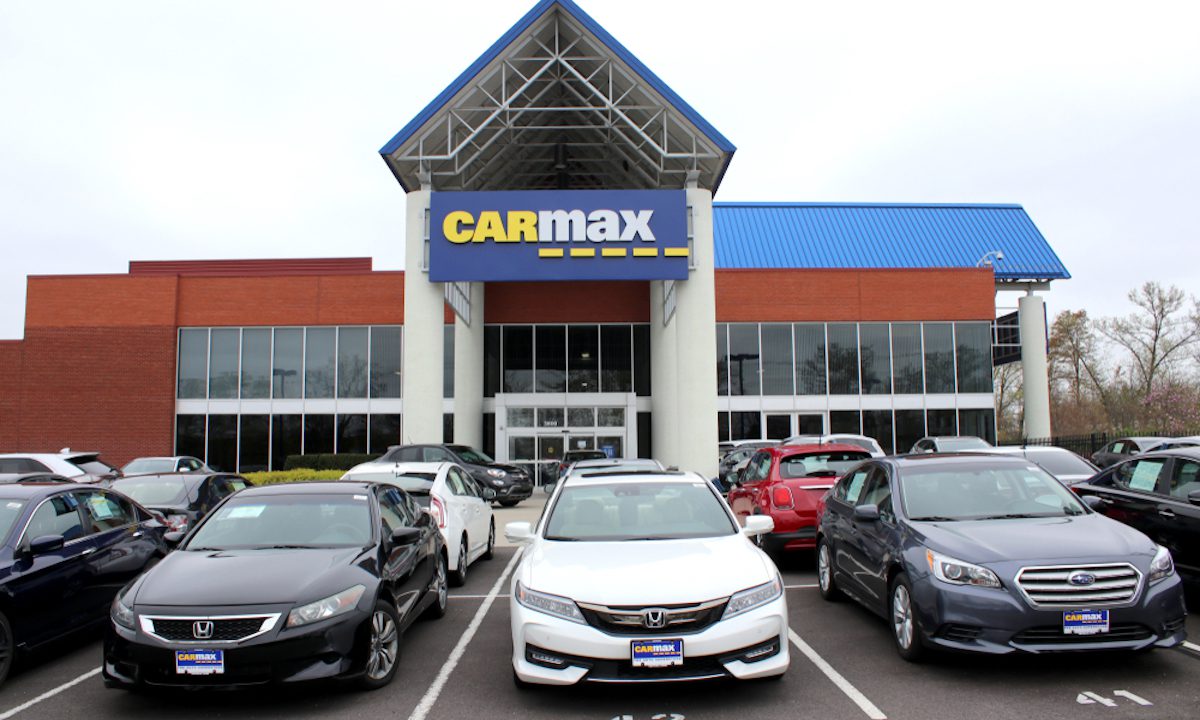
When CarMax entered the Texas market, the used car industry was largely dominated by fragmented independent dealerships and high-pressure legacy lots. By scaling a standardized, no-haggle model into major metropolitan hubs like Houston, the company fundamentally reshaped automotive retail across the Gulf Coast. Understanding how this enterprise built a regional stronghold requires looking past corporate milestones and examining the localized supply chains, consumer shifts, and logistical infrastructure that powered its growth.
The primary driver behind CarMax scaling so effectively in Houston was its ability to tackle the classic pain points of car buying: unpredictable pricing, opaque vehicle histories, and aggressive sales tactics. By treating pre-owned vehicle retail like a modern consumer goods operation, the company turned inventory volume and digital integration into unbeatable competitive moats across Texas.
The Gulf Coast Landscape Before the Expansion
In the decades leading up to large-scale corporate consolidation, the Houston automotive market operated on localized relationships. Independent corner lots and family-owned franchise groups handled the vast majority of pre-owned transactions. Consumers expected hours of price negotiation, and vehicle quality varied wildly from one lot to the next.
Entering this fragmented environment required massive capital expenditure. Houston's vast geographic footprint means buyers routinely commute across sprawling highway networks, making convenience a core purchasing factor. A centralized inventory model would not work if buyers had to drive across three counties just to look at a handful of sedans.
To solve this, the retailer deployed a multi-store cluster strategy. Rather than dropping a single massive lot into the region, they established physical presences in strategic growth corridors like Katy and the Southwest Freeway. This brought thousands of inspected vehicles within a manageable radius for millions of regional residents. You can review the official corporate background through CarMax.
Overcoming Regional Supply and Logistics Challenges
Scaling an empire across the Gulf Coast demands robust logistics. Houston acts as a massive economic nexus, but it also presents unique operational hurdles, from weather-related inventory risks to intense competition from homegrown dealership powerhouses like Group 1 Automotive.
To secure a steady stream of inventory without relying solely on traditional trade-ins, the company leaned heavily on consumer-facing vehicle acquisition tools. Instead of waiting for auctions, they allowed local drivers to bring cars in for a quick, guaranteed appraisal. This localized sourcing engine kept lots stocked with truck models, SUVs, and commuter cars tailored specifically to Texas driving habits.
- High Truck and SUV Demand: Gulf Coast buyers lean heavily toward larger vehicles compared to urban coastal markets in the Northeast.
- Rapid Reconditioning Hubs: Sourcing cars locally is only half the battle; internal service bays had to scale to recondition hundreds of vehicles weekly.
- Transparent Pricing Models: Eliminating haggling removed friction, appealing directly to buyers burnt out by traditional dealership models.
The Shift Toward Omnichannel Car Buying
As mobile technology matured, physical footprint alone wasn't enough to defend market share. The modern car buyer researches loans, compares mileage, and checks accident reports long before setting foot on a physical lot.
The company integrated its physical Houston infrastructure with a digital inventory system. Shoppers could browse vehicles parked across multiple Texas lots, hold a car online, and schedule an express pickup. This blending of online convenience with physical test-drive locations transformed regional conversion rates. According to broader automotive industry analysis published by Edmunds, consumer trust heavily favors brands offering transparent digital trade-in valuations.
Traditional Model vs. Modern Regional Model
+---------------------------+-----------------------------------+
| Legacy Dealerships        | CarMax Gulf Coast Strategy        |
+---------------------------+-----------------------------------+
| Variable, haggled pricing | Fixed, transparent pricing        |
| Isolated local inventory  | Regional transfer network         |
| High-pressure sales staff | Self-directed digital/onsite tour |
+---------------------------+-----------------------------------+
Common Mistakes in Regional Auto Expansion
Many national retail concepts stumble when expanding into distinct regional markets like the Texas Gulf Coast. Misjudging local inventory preferences is a frequent pitfall. For instance, attempting to push compact sedans in a market heavily weighted toward full-size pickups and utility vehicles leads to stagnant lot turnover.
Another frequent misstep is underestimating reconditioning bottlenecks. When supply acquisition outpaces service bay capacity, lots fill up with un-saleable inventory, tying up capital. Successful expansion requires scaling mechanical inspection and detailing workforce proportionally with consumer acquisition campaigns.
Frequently Asked Questions
Can I transfer a car from another state to a Houston CarMax location?
Yes. Inventory can typically be transferred between stores, though long-distance transfers often incur a shipping fee depending on the distance and vehicle class.
How does CarMax appraise vehicles in the Houston market?
Appraisals are conducted on-site at any retail location. Technicians inspect the vehicle's physical condition, mechanical history, and current regional market demand to generate a written offer that remains valid for a set number of days.
Do Houston locations handle state vehicle inspections?
Yes. Service departments are equipped to handle routine maintenance, warranty repairs, and state-mandated safety and emissions inspections required for registration in Texas.
What financing options are available for local buyers?
Buyers can use external credit unions, pay cash, or apply through CarMax Auto Finance alongside a network of partnered lenders to secure pre-qualification without impacting their credit scores.



