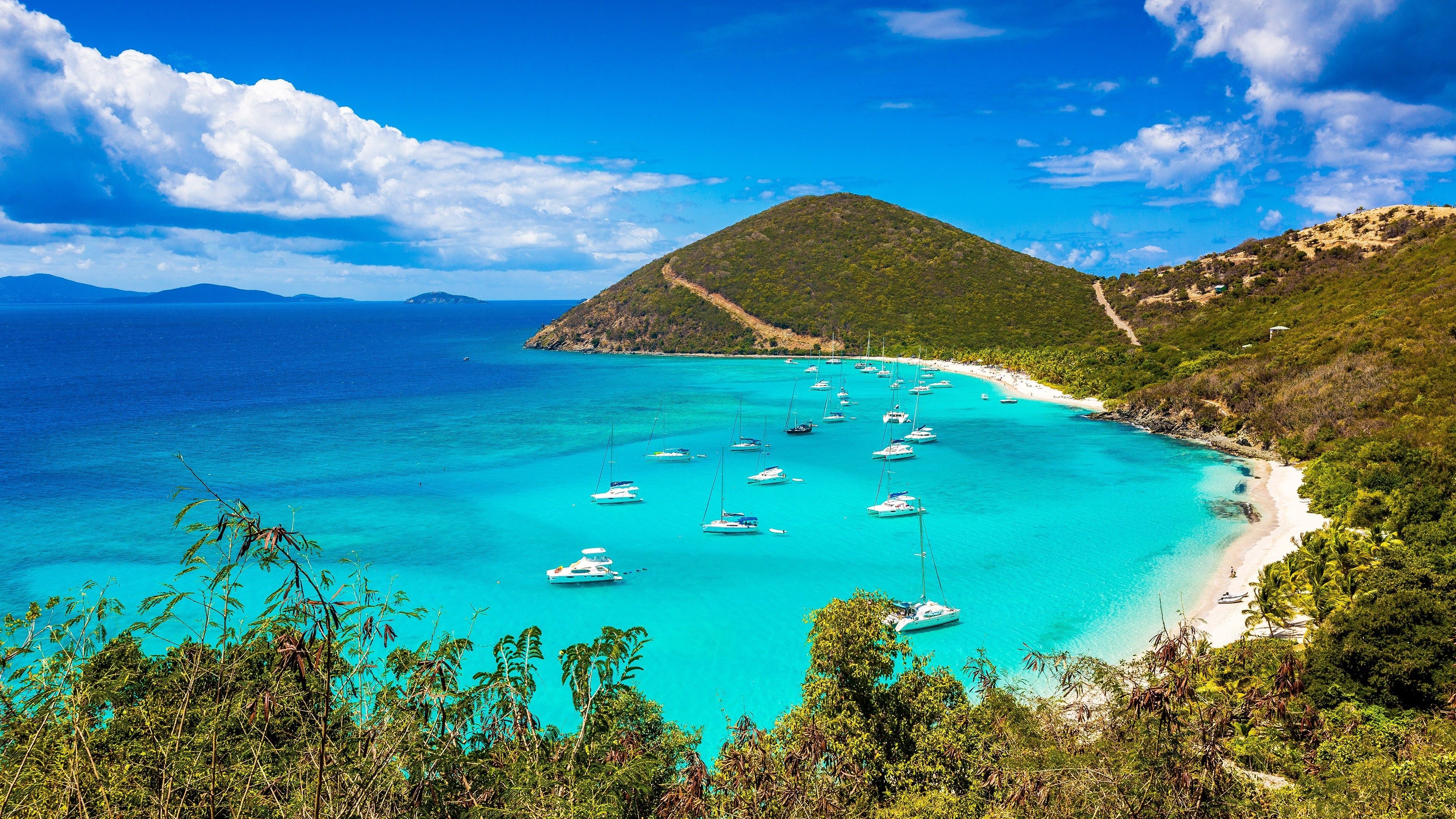
Beyond the resort brochures and white-sand postcards lies a complex social and cultural landscape shaped by centuries of resilience. Caribbean people don't exist merely to service tourism; they maintain a rich, living heritage forged from Indigenous roots, African ancestry, European colonization, and Asian migration. Understanding the region requires looking past hotel strips to examine the daily rhythms, linguistic traditions, and socio-economic realities of the islands.
From Kingston to Port of Spain, daily life moves to a distinct beat rooted in community, oral history, and adaptation. While economies across the region rely heavily on tourism—contributing over fourteen percent of the Caribbean's total GDP according to the World Travel & Tourism Council—the heartbeat of the islands is sustained by local agriculture, small businesses, artistic expression, and fierce regional identity.
Roots of Identity: A Multi-Layered Heritage
The demographic makeup of the Caribbean is one of the most diverse in the world. When European explorers arrived in the late fifteenth century, the islands were inhabited by Indigenous peoples, primarily the Arawaks (Taino) and Caribs (Kalinago). Colonization and the transatlantic slave trade violently upended these populations, forcibly bringing millions of enslaved Africans to the region. Following the abolition of slavery in the nineteenth century, indentured laborers from India, China, and parts of Europe arrived, adding new layers to the cultural fabric.
This collision of cultures created distinct societies across the archipelago:
- Jamaica: Deeply influential globally through its music, Rastafari movement, and political consciousness, Jamaica's culture blends Maroon resistance history with vibrant contemporary arts.
- Trinidad and Tobago: A dual-island nation where African and East Indian traditions merge in cuisine, religion, and world-famous celebrations like Carnival and the steelpan.
- Haiti: The world's first independent Black-led republic, shaped by the Haitian Revolution, with a profound heritage expressed through Kreyòl language, Vodou traditions, and intricate ironwork.
- Martinique and Guadeloupe: French departments in the Lesser Antilles where European administrative structures blend smoothly with Creole language, literature, and gastronomy.
Language as Cultural Armor
Linguistic diversity is a defining trait of Caribbean populations. Standard English, French, Spanish, and Dutch serve as official administrative languages, but the true voice of the people lives in vibrant Creole languages and regional dialects.
In Jamaica, Patwa functions as a creative force used in daily speech, poetry, and dancehall music. In Haiti, Haitian Creole (Kreyòl) is spoken by the entire population, serving as a unifying national language rooted in French vocabulary and West African grammatical structures. These languages aren't casual slang; they represent fully developed linguistic systems born from the necessity of communication among diverse enslaved and colonized groups. Writers like Derek Walcott and Aimé Césaire utilized these linguistic textures to challenge colonial narratives and assert literary independence.
Daily Life Away from the Resorts
Away from gated beach resorts, everyday life for most islanders centers around neighborhood markets, multi-generational households, and local commerce.
Open-air markets in cities like Castries or Kingston serve as social hubs where vendors sell ground provisions, scotch bonnet peppers, and fresh fish while exchanging community news. Food acts as a central pillar of Caribbean identity. Dishes like Jamaican ackee and saltfish, Trinidadian doubles, and Barbadian cou-cou require patience, specific culinary techniques, and locally sourced ingredients passed down through generations.
Family structures remain tightly knit. Extended families often share compounds or live close by, relying on communal childcare, shared meals, and mutual aid systems. Elders hold a position of high respect, acting as the keepers of family history and traditional medicinal knowledge.
The Global Caribbean Diaspora
Caribbean identity is not confined by geographic borders. For over a century, migration waves have established large Caribbean communities in major metropolitan areas like London, New York City, Toronto, and Miami.
Rather than assimilating quietly, the diaspora has fundamentally reshaped global culture. Events like London's Notting Hill Carnival—Europe's largest street festival—and Brooklyn's West Indian American Day Carnival bring traditional masquerade, soca music, and Caribbean cuisine to international stages. Artists, writers, and politicians of Caribbean descent continue to influence global discourse, proving that island culture extends far beyond the sea.
Contemporary Challenges and Resilience
Despite their cultural richness, Caribbean populations face severe contemporary pressures. Small island developing states are on the frontline of climate change, dealing with rising sea levels, more intense hurricane seasons, and coastal erosion that threatens homes and livelihoods. Economically, many islands struggle with high national debt, limited local resource diversification, and vulnerability to external economic shocks.
Yet, local communities consistently demonstrate remarkable adaptability. Grassroots organizations across the islands lead coral reef restoration projects, promote sustainable agroecology, and advocate for renewable energy transitions. This enduring resilience is the true defining characteristic of Caribbean people—an ongoing capacity to build, create, and thrive against historical and environmental odds.
Frequently Asked Questions
What languages are most commonly spoken in the Caribbean?
Spanish is the most widely spoken language overall due to large populations in Cuba, the Dominican Republic, and Puerto Rico. English and French are also official or administrative languages in numerous islands, alongside widely spoken Creole languages like Haitian Kreyòl and Jamaican Patwa.
How does tourism impact local Caribbean communities?
Tourism is a major economic driver, providing employment and foreign revenue. However, it can also drive up the cost of living, create seasonal employment instability, and strain local water and waste management infrastructures.
Is "Caribbean" considered a single ethnic group?
No. Caribbean people represent a diverse mix of ethnicities, including individuals of African, European, Indigenous, East Indian, Chinese, and mixed heritage, united primarily by geography, shared historical experiences, and cultural intersections.
How has the Caribbean diaspora influenced international culture?
The diaspora has had an outsized impact on global music (reggae, dancehall, calypso, soca), literature (including multiple Nobel laureates), cuisine, and urban fashion in major cultural hubs across North America and Europe.


