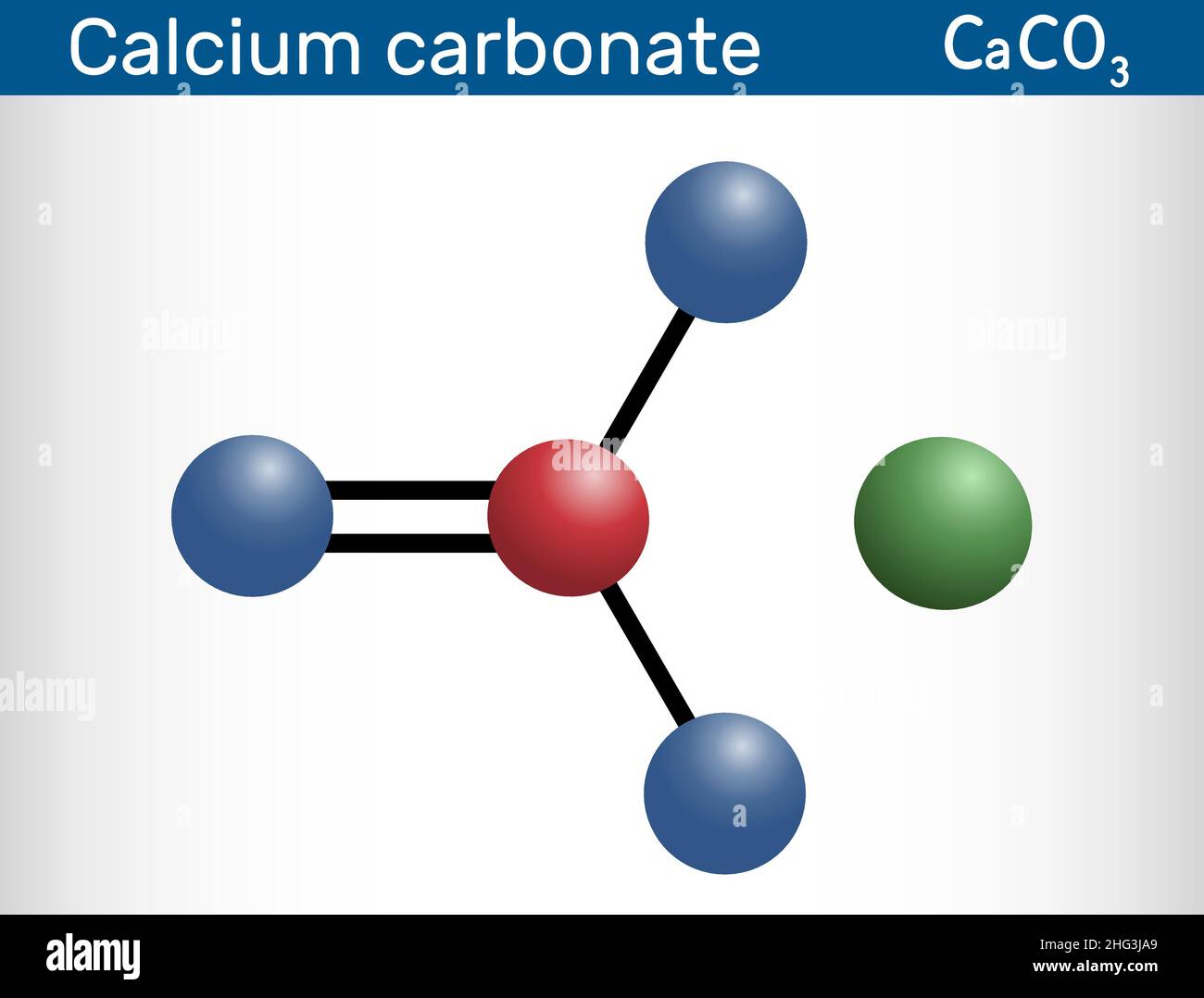
The carbonate ion acts as the silent stabilizer behind the chemistry of natural waters, biological fluids, and industrial processes. Without this molecular workhorse, sudden shifts in acid input would crash aquatic ecosystems and destabilize industrial manufacturing systems overnight. Understanding how it functions requires looking past textbook equations and examining how this chemical system responds under pressure.
The Core Chemistry of Carbonate Buffering
At its heart, the carbonate buffering network relies on a shifting equilibrium among dissolved carbon dioxide, carbonic acid, bicarbonate ions, and carbonate ions. When carbon dioxide dissolves in water, it forms aqueous carbon dioxide that reacts to create carbonic acid. This weak acid quickly dissociates, releasing hydrogen ions while forming bicarbonate, which can break down further into free carbonate ions.
According to Le Chatelier's principle, if an acidic substance introduces excess hydrogen ions into the solution, the carbonate species step in to mop them up. The carbonate ions consume the extra hydrogen ions, turning into bicarbonate. If the solution becomes too basic, bicarbonate releases hydrogen ions to restore balance. This dual-directional capability creates a chemical buffer that resists drastic pH changes.
Temperature and salinity dictate how effectively this system operates. For instance, as water warms up, the dissociation constants shift, changing the ratio of bicarbonate to carbonate. Ignoring these environmental variables leads to major calculation errors when monitoring industrial cooling loops or natural watershed health.
Oceans as Dynamic Chemical Sinks
Earth's oceans contain massive reserves of dissolved inorganic carbon, dominated by bicarbonate and carbonate ions. This gigantic reservoir has historically absorbed a large fraction of industrial carbon dioxide emissions. When excess carbon dioxide dissolves into seawater, it increases the concentration of hydrogen ions, driving down the pH and eating away at available carbonate ion pools.
This process, known as ocean acidification, reduces the saturation states of calcium carbonate minerals that marine organisms rely on. Shell-building creatures like corals, pteropods, and certain phytoplankton struggle to extract carbonate ions when the surrounding water's chemistry shifts. As the buffering capacity gets stretched thin, the water's resilience against further acidification diminishes. You can track ongoing marine chemistry observations through resources provided by the National Oceanic and Atmospheric Administration.
Biological Fluid Regulation
Life depends on precise pH control, and carbon-based buffering plays a central role inside living bodies. Human blood maintains a strict pH range between 7.35 and 7.45. Even a minor deviation outside this window causes severe metabolic dysfunction.
The bicarbonate-carbonic acid pairing serves as the primary extracellular buffer in human blood. Metabolic waste constantly pumps acid into the bloodstream, but specialized enzyme networks convert these byproducts into carbon dioxide and water for the lungs and kidneys to eliminate. If blood becomes too acidic, the kidneys reabsorb more bicarbonate while the respiratory system speeds up breathing to blow off excess carbon dioxide, shifting the equilibrium instantly.
Industrial Applications and Engineering Challenges
Industrial engineers rely on carbonate chemistry to prevent equipment corrosion and manage wastewater effluent. Power plants, municipal water treatment facilities, and chemical manufacturing plants monitor total alkalinity closely to ensure their systems can neutralize unexpected acid spikes.
For example, adding lime or soda ash to acidic industrial discharge introduces carbonate species that neutralize heavy metals, precipitating them out of solution before they enter natural waterways. Similarly, cooling towers use tailored chemical dosing to maintain specific carbonate balances, preventing scale buildup on heat exchangers while avoiding acidic corrosion of metal pipes. Detailed guidelines on managing water purity parameters are regularly updated by the U.S. Environmental Protection Agency.
Common Miscalculations in Carbonate Systems
When working with carbonate chemistry, beginners often stumble over a few recurring traps:
- Treating equilibrium constants as fixed values rather than adjusting them for local temperature and salinity.
- Assuming pH alone provides a complete picture of buffering capacity without measuring total alkalinity or dissolved inorganic carbon.
- Forgetting that open systems exchange carbon dioxide with the atmosphere, altering the closed-loop equations they calculated on paper.
Frequently Asked Questions
What makes the carbonate ion a better buffer than other chemicals?
It operates within a pKa range close to natural environmental and physiological pH levels, and its reactants are continuously replenished through the global carbon cycle and biological respiration.
How does ocean acidification deplete carbonate ions?
Excess carbon dioxide reacting with seawater generates free hydrogen ions, which bind with available carbonate ions to form bicarbonate, leaving fewer free carbonate ions for marine life.
Why is measuring pH alone insufficient for water testing?
pH only measures free hydrogen ion activity at a single moment. Without knowing total alkalinity or inorganic carbon concentrations, you cannot predict how much acid or base the water can absorb before its pH changes.
Can industrial wastewater completely deplete natural carbonate buffers?
Yes. If acidic effluent overwhelms a watershed's natural alkalinity, the local carbonate buffer collapses, causing a rapid drop in pH that can devastate aquatic life.



