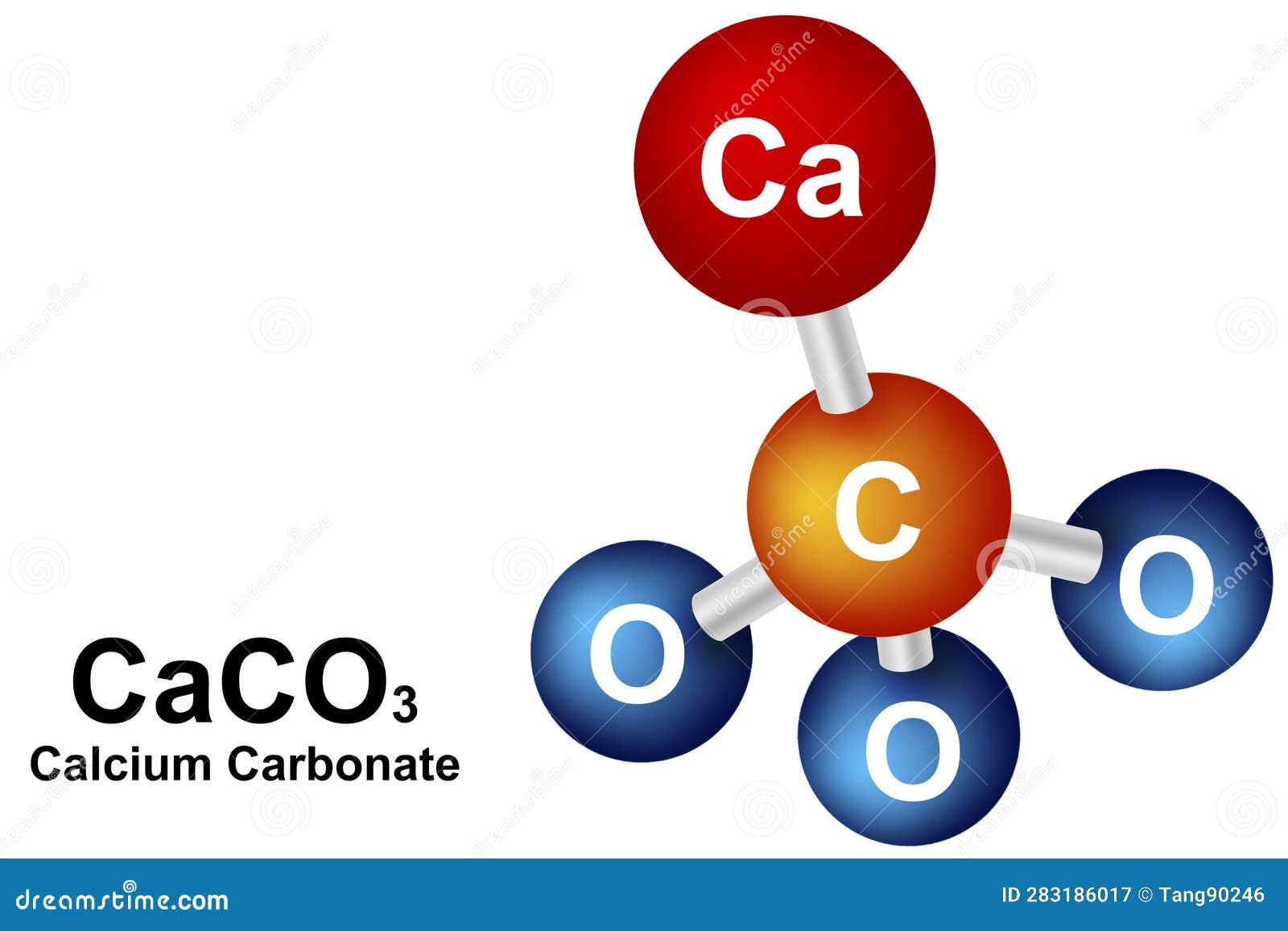
The carbonate ion features a simple chemical composition consisting of one carbon atom covalently bonded to three oxygen atoms, carrying an overall charge of negative two ($CO_3^{2-}$). This specific arrangement creates a stable polyatomic anion that underpins both Earth's geological structures and major industrial processes. Understanding this chemical building block explains how rocks form, how oceans regulate pH, and how modern manufacturing produces glass, cement, and batteries.
Unlike many complex organic compounds, the carbonate structure relies on symmetrical simplicity and resonance stabilization. It acts as the backbone for countless minerals found across the globe. By examining its molecular geometry, chemical reactions, and real-world applications, we can see why this simple ion plays such a vital role in natural and synthetic systems.
Molecular Structure and Bonding
The structural integrity of the carbonate ion stems from its electron configuration and resonance. One carbon atom sits at the center, bonded to three surrounding oxygen atoms. Because carbon has four valence electrons and each oxygen has six, the ion gains two additional electrons from an external source to complete its electronic octets, resulting in the $CO_3^{2-}$ charge.
Instead of having two single bonds and one double bond fixed in place, the carbonate ion exhibits resonance. The double-bond character delocalizes across all three oxygen-carbon bonds equally. This resonance makes every carbon-oxygen bond identical in length and strength.
VSEPR theory dictates that three regions of electron density around the central carbon atom repel each other equally, forcing the molecule into a trigonal planar geometry. The bond angles measure precisely 120 degrees, forming a flat, symmetrical triangular shape. This uniform distribution of charge prevents internal strain, making the ion remarkably stable under normal environmental conditions.
Geological Significance and Mineral Formation
Carbonate minerals make up a massive fraction of Earth's crust, primarily driven by precipitation in marine environments and biological activity. When dissolved calcium ions ($Ca^{2+}$) meet carbonate ions ($CO_3^{2-}$) in water, they form calcium carbonate ($CaCO_3$).
This compound crystallizes into two main mineral polymorphs:
- Calcite: The thermodynamically stable form found in limestone, chalk, and marble.
- Aragonite: A denser, less stable orthorhombic form typically secreted by marine organisms like corals and mollusks.
Limestone deposits span continents, representing ancient ocean floors compressed over hundreds of millions of years. These rock formations act as the planet's largest long-term carbon sink, storing gigatons of carbon that would otherwise circulate in the atmosphere. Geological weathering and tectonic subduction slowly cycle this carbon back out through volcanic outgassing, completing a planetary loop that has maintained Earth's climate stability for eons.
Industrial Applications
Industries rely heavily on carbonate compounds due to their chemical reactivity, thermal stability, and ability to act as fluxes. Manufacturers manipulate these properties to produce essential commercial goods.
Glass Manufacturing
Sodium carbonate ($Na_2CO_3$), commonly known as soda ash, acts as a primary flux in glassmaking. Silica sand has an extremely high melting point exceeding 1700 degrees Celsius. Adding sodium carbonate lowers this melting point significantly, saving energy and making mass production commercially viable.
Metallurgy and Smelting
During metal extraction, carbonates serve as fluxes to remove unwanted impurities from iron, copper, and other ores. When heated inside a blast furnace, calcium carbonate decomposes into calcium oxide and carbon dioxide. The calcium oxide reacts with silica and other silicate impurities to form liquid slag, which floats on top of the molten metal and gets skimmed away.
Construction and Cement
Thermal decomposition of limestone forms the cornerstone of the construction industry. Heating calcium carbonate drives off carbon dioxide gas in a process called calcination:
$$CaCO_3 \rightarrow CaO + CO_2$$
The resulting calcium oxide, or quicklime, reacts with water and other additives to produce Portland cement, binding concrete structures worldwide.
Analytical Detection and Laboratory Testing
Identifying carbonate compounds in a laboratory setting relies on a classic acid-base reaction. When you add a dilute mineral acid like hydrochloric acid ($HCl$) to a solid carbonate sample, an immediate chemical reaction occurs.
The acid donates protons to the carbonate ions, producing unstable carbonic acid ($H_2CO_3$), which instantly decomposes into liquid water and carbon dioxide gas ($CO_2$). You can observe this reaction through vigorous effervescence or bubbling:
$$CO_3^{2-} + 2H^+ \rightarrow H_2O + CO_2$$
To confirm the gas is carbon dioxide, chemists bubble the evolved vapor through an aqueous solution of calcium hydroxide, known as limewater. The carbon dioxide reacts with the calcium hydroxide to form an insoluble white precipitate of calcium carbonate, turning the clear liquid milky.
Environmental Dynamics and Ocean Chemistry
The carbonate system plays a critical role in global climate regulation by buffering natural waters. In aquatic environments, carbon dioxide dissolves and establishes an equilibrium involving carbonic acid, bicarbonate ions, and carbonate ions:
$$CO_2 + H_2O \rightleftharpoons H_2CO_3 \rightleftharpoons HCO_3^- + H^+ \rightleftharpoons CO_3^{2-} + 2H^+$$
This natural buffer system prevents dramatic pH swings in oceans and freshwater bodies. However, rising industrial carbon dioxide emissions disrupt this delicate balance. As oceans absorb excess atmospheric $CO_2$, the concentration of hydrogen ions increases, lowering overall seawater pH and shifting the chemical equilibrium away from free carbonate ions.
This drop in available carbonate ions creates severe challenges for calcifying organisms, such as oysters, pteropods, and reef-building corals, which require carbonate to construct their protective shells and skeletons.
Frequently Asked Questions
What is the difference between carbonate and bicarbonate?
Carbonate ($CO_3^{2-}$) carries a negative two charge and acts as a stronger base, whereas bicarbonate ($HCO_3^-$) carries a negative single charge because it has bonded with an extra hydrogen ion ($H^+$). Bicarbonate is more soluble in water and forms the primary buffering agent in human blood.
Why do carbonates fizz when exposed to acid?
Acids release hydrogen ions that react with the carbonate structure to form carbon dioxide gas. The rapid release of this gas creates the visible bubbling or effervescence characteristic of carbonate rocks.
How does calcium carbonate form in nature?
It precipitates out of aqueous solutions when calcium ions and carbonate ions reach saturation levels. This process happens both abiogenically through mineral evaporation in lakes and caves, and biogenically when marine creatures extract ions from seawater to build shells.
Is sodium carbonate the same as baking soda?
No. Sodium carbonate is washing soda, which is strongly alkaline and used for cleaning and manufacturing. Baking soda is sodium bicarbonate ($NaHCO_3$), a milder compound used in cooking and baking as a leavening agent.


