Industrial decarbonization requires permanent, scalable methods to lock away greenhouse gases without depending on temporary underground reservoirs. Carbonate charge and mineral carbonation processes offer a permanent solution by reacting industrial carbon dioxide emissions with abundant calcium and magnesium-bearing feedstocks to form stable solid minerals. This geological approach turns a gaseous liability into inert stone while generating secondary clean energy outputs like low-carbon hydrogen and heat.
Understanding how these reactions work requires looking past traditional geological storage methods that carry long-term leakage risks. By capturing carbon at the point of emission and mineralizing it rapidly, facilities can neutralize heavy industrial sectors like cement, steel, and power generation. Let's break down the mechanics, the chemistry, and the real-world operational realities shaping this clean energy frontier.
The Chemistry of Mineral Carbonation
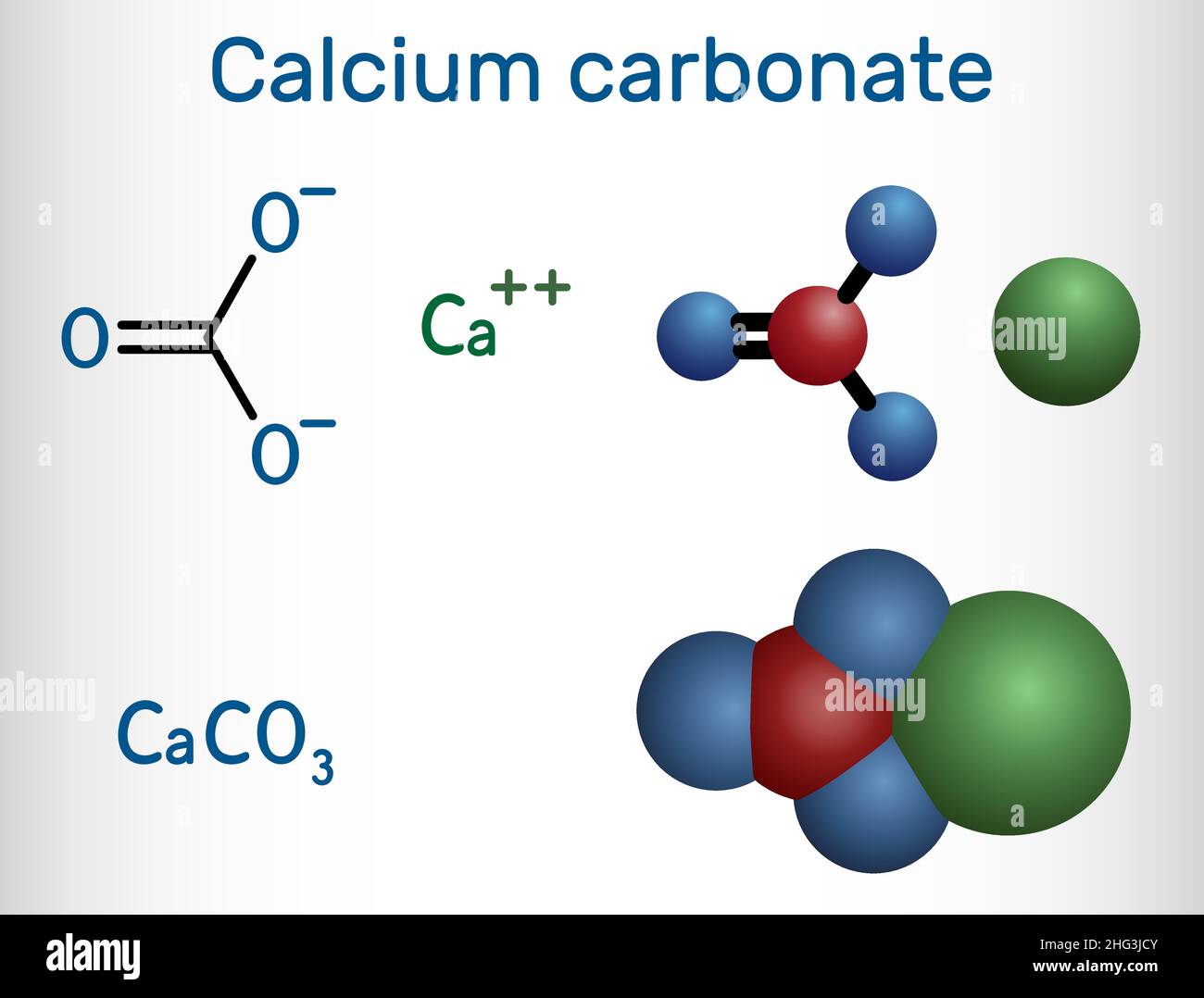
At its core, mineral carbonation mimics natural geological weathering over millions of years, accelerating the process from geological timescales down to hours or minutes. When carbon dioxide $\text{(CO}_2\text{)}$ dissolves in water, it forms weak carbonic acid. This acid reacts directly with alkaline metal silicates or oxides—most notably calcium and magnesium ions—to precipitate solid carbonate structures like limestone $\text{(CaCO}_3\text{)}$ and magnesite $\text{(MgCO}_3\text{)}$.
This transformation represents a permanent phase change. Unlike compressed gas injected into depleted oil wells, solid carbonates are thermodynamically stable. They cannot leak back into the atmosphere. The chemical equation for basic calcium silicate mineralization demonstrates this permanence:
$$\text{CaSiO}_3 + \text{CO}_2 \rightarrow \text{CaCO}_3 + \text{SiO}_2$$
The primary engineering hurdle has always been the activation energy required to break down raw silicate minerals or source reactive oxides efficiently. Recent advances in carbonate fuel cell systems and accelerated ex-situ carbonation bypass these heavy thermal penalties by integrating capture directly with industrial flue gas streams.
Carbonate Fuel Cells and Simultaneous Power Generation
Traditional carbon capture technologies impose a heavy parasitic energy load on host plants, sometimes consuming up to thirty percent of the electricity generated. Carbonate fuel cells flip this operational dynamic by producing power while simultaneously capturing carbon.
In these systems, carbonate ions $\text{(CO}_3^{2-})$ act as the charge carriers that transport oxygen and carbon atoms across the electrolyte matrix from the cathode to the anode. As natural gas or industrial exhaust passes through the system, the fuel cell concentrates the carbon dioxide stream while generating clean electricity and high-temperature heat.
- Dual Output: Facilities capture over ninety percent of incoming $\text{CO}_2$ emissions while exporting low-carbon electricity.
- Internal Reforming: High operating temperatures allow internal fuel reforming, eliminating external steam boilers and reducing overall system complexity.
- Byproduct Valorization: Exhaust streams can be diverted to produce clean hydrogen or high-purity water alongside solid mineral residues.
Pilot projects at heavy manufacturing sites—such as industrial facilities managed by energy leaders like ExxonMobil—are scaling these technologies to test continuous operation under live flue gas conditions.
Ex-Situ Mineralization and Industrial Waste Valorization
While in-situ geological injection stores carbon deep underground, ex-situ mineralization treats industrial residues above ground to create marketable commercial products. Heavy industries generate millions of tons of alkaline solid wastes annually, including steel slag, coal fly ash, and kiln dust. These materials are packed with unreacted calcium and magnesium oxides.
Instead of paying high tipping fees to send these residues to landfills, operators use accelerated carbonation to bind the waste with captured industrial $\text{CO}_2$. This creates high-value construction aggregates, paving stones, and supplementary cementitious materials.
- Feedstock Preparation: Steel slag or alkaline waste is crushed and sized for optimal surface area exposure.
- Carbonation Reactor Injection: The material is introduced to a controlled reactor vessel where concentrated $\text{CO}_2$ gas is injected under moderate pressure and temperature.
- Precipitation and Curing: The chemical reaction binds the solid particles together with calcium carbonate crystals, hardening the aggregate.
- Commercial Deployment: The resulting blocks or aggregates meet strict structural standards while permanently locking away greenhouse gases.
This closed-loop approach reduces the demand for virgin quarried rock while permanently sequestering carbon inside permanent urban infrastructure.
Common Operational Challenges and Bottlenecks
Despite its immense promise, mineral carbonation faces several practical engineering hurdles that prevent universal adoption.
- Mass Transport Limitations: The reaction rate slows down significantly as an outer layer of solid carbonate forms around the unreacted mineral core, blocking further gas penetration.
- High Energy Costs for Grinding: Preparing natural silicates like olivine or serpentine requires intensive mechanical milling to achieve the fine particle sizes necessary for rapid reaction rates.
- Water Management: Aqueous carbonation processes require careful management of liquid inputs, wastewater treatment, and chemical additives to maintain optimal pH levels.
Overcoming these barriers requires balancing reaction kinetics with thermodynamic efficiency. Researchers are increasingly turning to industrial waste streams rather than virgin mining to bypass the heavy energy costs associated with grinding natural rock.
Frequently Asked Questions
What is the difference between in-situ and ex-situ carbonation?
In-situ carbonation involves injecting $\text{CO}_2$ directly into deep underground basalt or ultramafic rock formations, where it reacts naturally over time. Ex-situ carbonation takes place in dedicated industrial reactors above ground, using crushed minerals or alkaline industrial wastes to capture emissions and manufacture solid construction products quickly.
Why is carbonate fuel cell technology considered different from traditional capture?
Standard carbon capture plants act as massive energy drains, requiring extra power to strip $\text{CO}_2$ from flue gases. Carbonate fuel cells use the capture process itself to generate electricity and useful heat, turning an environmental expense into a net-positive energy asset.
Are mineralized carbon products safe for construction?
Yes. When industrial wastes or silicates are carbonated into calcium carbonate matrices, the resulting aggregates are chemically stable, durable, and often exceed the compressive strength requirements of standard construction materials.
Can mineral carbonation completely replace underground storage?
Not entirely. While mineral carbonation offers permanent, leak-proof storage, the sheer volume of global industrial emissions means that a mix of geological storage, ocean alkalinity enhancement, and ex-situ mineral products will be required to meet global net-zero targets.