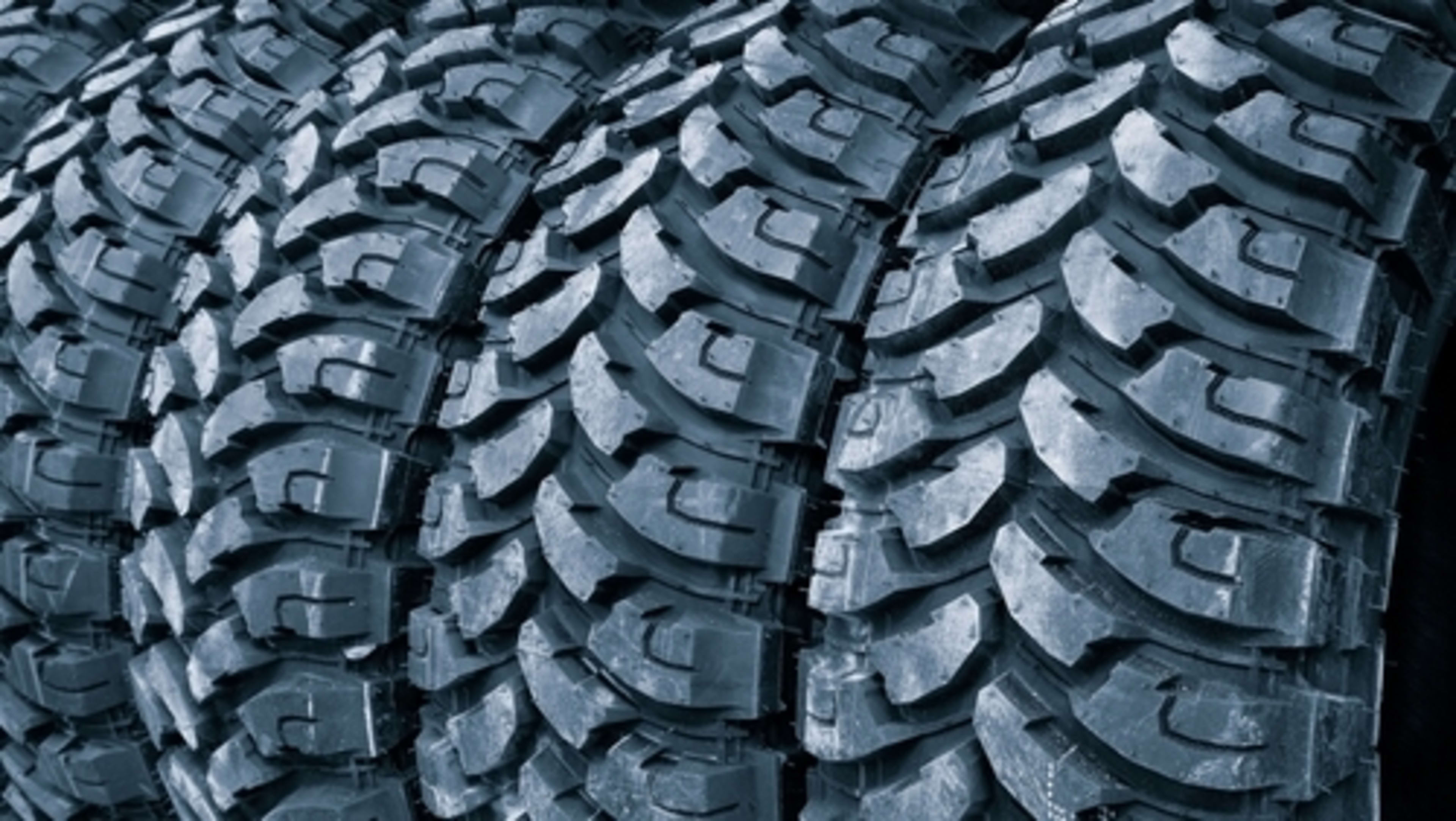
When to replace your car tires is one of those maintenance milestones drivers often put off until it's too late. Worn rubber compromises braking distance, hydroplanes easily in wet weather, and increases the risk of sudden blowouts. Most passenger tires wear out within 25,000 to 50,000 miles, but driving habits, climate, and maintenance dictate your actual timeline.
Waiting for a total loss of traction is a dangerous gamble. Let's break down the physical metrics, hidden warning signs, and age factors that dictate exact replacement schedules.
The Core Indicators of Tire Wear
You don't need to guess whether your rubber is safe. Several physical indicators measure the integrity of a tire long before a failure occurs.
Tread Depth and the Penny or Quarter Test
Tread depth dictates how well your car handles water and debris. New tires usually start with about 10/32 to 11/32 of an inch of tread. By the time depth drops to 2/32 of an inch, the tire is legally worn out in most jurisdictions.
- The Penny Test: Place a penny into the tread grooves with Lincoln's head facing down. If you can see the top of his head, your tread is below 2/32 of an inch and you need immediate replacements.
- The Quarter Test: Insert a quarter with Washington's head facing down. If the tread touches the top of his head, your tread is roughly 4/32 of an inch. That means it's time to start shopping, especially if rainy season is approaching.
Built-In Tread Wear Indicators
Modern tires feature rubber bars called wear bars molded deep into the main grooves. When the surrounding tread wears down until it's completely flush with these horizontal bars, the tire has reached the legal limit. If you notice these bars bridging the channels across your tread, replace the set right away.
Uneven Wear Patterns
If your tread is wearing down unevenly across a single tire, it points to mechanical issues or poor maintenance.
- Center wear: Usually caused by over-inflation, which balloons the middle of the contact patch and accelerates wear down the center strip.
- Shoulder wear on both edges: Caused by under-inflation. The tire sags, forcing the outer edges to bear the primary friction and load.
- Cupping or scalloped dips: Indicates worn suspension parts, bad shocks, or severe wheel imbalance.
The Hidden Danger of Rubber Aging
Tread depth isn't the only metric that matters. Even if a vehicle sits in a garage and maintains deep tread, the chemical composition of the rubber degrades over time. Ultraviolet light, temperature shifts, and ozone exposure dry out the compounds.
Most manufacturers recommend a hard safety limit of six to ten years from the date of manufacture, regardless of remaining tread. You can find the exact age by reading the DOT code on the sidewall. Look for the letters "DOT" followed by a series of numbers. The last four digits indicate the week and year of manufacture. For example, a code ending in "2422" means the tire was manufactured in the 24th week of 2022. Tires older than six years require professional inspection by an expert at NHTSA or a certified service center.
Sidewall Damage and Structural Compromises
Your tread takes the friction, but your sidewalls hold the pressure. Structural damage on the side of a tire is an immediate failure point that cannot be patched.
Bulbs, Blisters, and Bubs
Hitting a deep pothole or scraping a concrete curb can pinch the inner liner of the tire against the wheel rim, breaking internal cords. This causes a bulge or bubble to push outward on the sidewall. A bulging sidewall means the internal structural integrity is gone, and the tire can burst without warning at highway speeds.
Cracking and Dry Rot
Small, hairline cracks in the sidewall rubber or between the tread blocks are signs of dry rot. While minor surface weathering from old age happens naturally, deep fissures that expose the internal fabric cords mean the tire is structurally compromised.
Maintenance Habits to Extend Tire Life
You can maximize the lifespan of your investment through consistent maintenance routines.
- Rotate regularly: Move your tires front-to-back every 5,000 to 7,000 miles to ensure even wear across all four corners. Front tires handle steering and heavy braking, wearing down faster than rear tires.
- Check pressure monthly: Maintain correct pounds per square inch (PSI) levels specified on the placard inside your driver's door jamb. Proper inflation prevents premature edge wear and improves fuel efficiency, a principle highlighted by agencies like the U.S. Department of Energy.
- Align your wheels: Get an alignment check annually or whenever you notice your vehicle pulling to one side or steering wheel vibration.
Frequently Asked Questions
Can I replace just one tire?
Replacing a single tire is rarely recommended unless the other tires are brand new with minimal wear. Mixing a new tire with worn tires causes uneven traction, which confuses electronic stability control systems and can damage the drivetrain in all-wheel-drive vehicles. If you can't buy a full set, replace at least a pair on the same axle.
Does tire speed rating affect replacement choice?
Yes. Always match or exceed the speed and load rating recommended by your vehicle manufacturer. Installing a lower-rated tire reduces high-speed stability and heat tolerance, increasing failure risks during spirited driving or heavy loads.
How do I know if my vibration is a bad tire or a balance issue?
Steering wheel vibration that kicks in at specific speeds (like 55 to 65 mph) usually points to an out-of-balance wheel or bent rim. However, persistent vibration accompanied by a rhythmic thumping noise or visible tread wobble often indicates a separated belt inside the tire itself.
Should winter tires be replaced on the same timeline?
Winter tires use softer rubber compounds designed to stay pliable in freezing temperatures. Because the rubber degrades faster and the tread blocks are deeper, winter tires typically need replacement after 4 to 6 seasons, even if tread depth looks acceptable.



