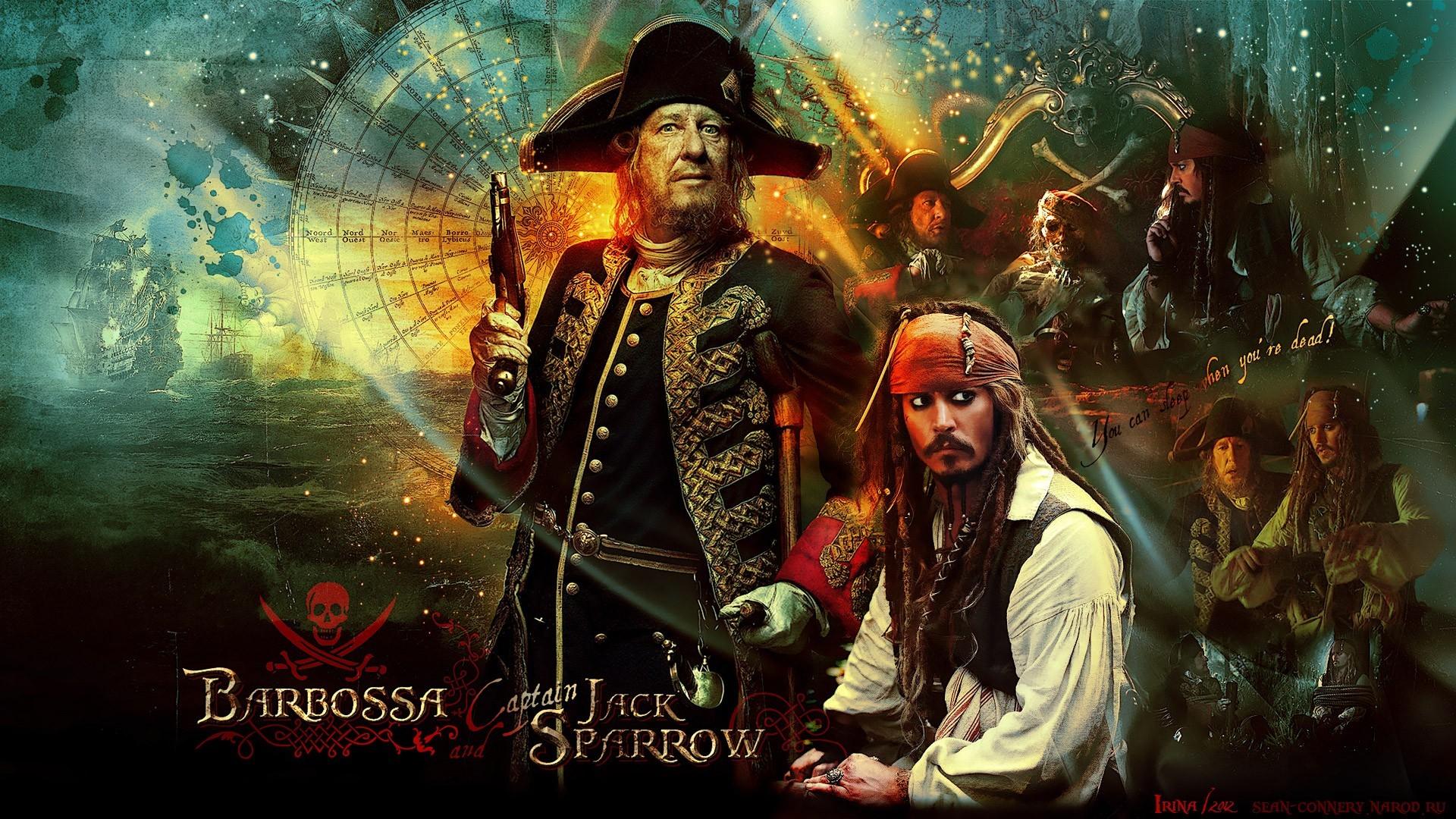
When cinema looks for a memorable rogue, it often settles for pure malice or simple charm. Captain Hector Barbossa broke that mold. Played by Geoffrey Rush across five films in the Pirates of the Caribbean franchise, Barbossa evolved from a terrifying undead corsair into a complex, tragic figure who commanded every frame he shared with Jack Sparrow. He isn't just a cinematic villain; he represents a masterclass in how theatrical flair, tactical brilliance, and raw survival instinct can turn a secondary antagonist into a timeless screen icon.
Understanding his enduring appeal requires looking past the broad tricorn hat and the pet monkey. Barbossa works because his ambitions are grounded in tangible hungers. He wants apples, he wants command of the sea, and he refuses to let pride or pain keep him down in the dirt.
The Anatomy of a Master Threat
When The Curse of the Black Pearl introduced Barbossa in 2003, he wasn't a standard movie monster. He was a professional captain running an efficient, if cursed, ship of cutthroats. His first major cinematic reveal—stepping out of the moonlight to show his skeletal curse—remains a high-water mark for modern blockbusters because it grounds fantasy in visceral horror.
Unlike Jack Sparrow, who relies on improvised chaos and slippery evasion, Barbossa operates with rigid, calculated authority. He values the structure of a ship and the weight of command, even if he seized that authority through mutiny. Additional information regarding the matter are detailed by Associated Press.
- Theatrical Presence: He treats every negotiation like a high-stakes trial, using formal language and eloquent threats to mask his brutal pragmatism.
- Tactical Acumen: He reads a room instantly, exploits weaknesses in his opponents, and never wastes energy on empty posturing when a direct strike works better.
- Appetite for Life: The cursed crew's inability to taste food or feel warmth drove them mad. Barbossa's obsession with biting into a crisp green apple the moment the curse breaks is a brilliant physical manifestation of sensory hunger.
From Mutineer to Reluctant Ally
The narrative arc across the first three films expands Barbossa from a ruthless primary antagonist into a necessary partner. Resurrection in Dead Man's Chest brings him back through Tia Dalma's magic, but it doesn't wash away his sins. He remains self-serving, ambitious, and deeply untrustworthy.
Yet, placing Barbossa and Jack Sparrow on the same deck creates an electric friction. They are two sides of the same counterfeit coin. Jack escapes through absurdity; Barbossa survives through sheer grit. When they sail together to world's end, their verbal sparring matches reveal two veterans of the sea who know every trick the world can play on a pirate.
This friction prevents the character from sliding into tired redemption tropes. When Barbossa assists the crew or aids Elizabeth Swann, he does so because it aligns with his survival or his quest for control. He doesn't transform into a noble knight; he remains a pirate who simply recognizes a larger threat.
The Authority of Style and Performance
Geoffrey Rush brought a theatrical stage background to the role, which explains why Barbossa feels larger than life without ever slipping into camp. Every gesture—the sharp tilt of his head, the deliberate pacing of his speech, the way he handles a cutlass—is calculated to project absolute dominion over his surroundings.
He is older, weathered, and unbothered by conventional charm. Yet his command of space makes him magnetic. Consider his transition into a privateer serving the British Crown in On Stranger Tides. He swaps his tattered pirate coat for a pristine naval uniform and a peg leg, yet his core identity doesn't fracture. He uses the King's commission to chase his own private vengeance against Blackbeard, proving that uniforms and titles are just tools for a man who bends every system to his will.
Legacy and the Final Sacrifice
By the time Dead Men Tell No Tales arrives, Barbossa's arc reaches its emotional apex with the reveal of his daughter, Carina. For a character defined by ruthless self-preservation, giving him a reason to surrender his life entirely alters our view of his journey. His final act—plunging into the abyss to drag Salazar down with him and save his daughter—is earned because it stems from a lifetime of knowing what it costs to lose everything.
He remains a benchmark for franchise character writing. He proves that a villain doesn't need to be misunderstood or secretly soft from scene one to win an audience over. He can be brutal, vain, and treacherous, yet still command our respect through intelligence and unyielding resilience.
Frequently Asked Questions
Why does Captain Barbossa love apples so much?
During the years they spent cursed as undead skeletons, Barbossa and his crew could not taste food, feel warmth, or experience physical sensations. Their bodies were functionally dead. Eating a crisp green apple as soon as the curse lifted served as his primary physical celebration of being alive again.
Is Hector Barbossa the main villain of the entire franchise?
No. He serves as the primary antagonist in The Curse of the Black Pearl, but across later sequels, his role shifts into an anti-hero, reluctant ally, and eventual privateer who frequently teams up with Jack Sparrow against greater threats like Davy Jones, Blackbeard, and Captain Salazar.
Who played Captain Barbossa in Pirates of the Caribbean?
The character was brought to life by Australian actor Geoffrey Rush, whose extensive stage and screen background gave Barbossa his signature theatricality and commanding presence.
What happened to Barbossa's crew after the first film?
After the curse was lifted at Isla de Muerta and Barbossa was initially killed by Jack Sparrow, the surviving members of his crew faced various fates, with several ending up imprisoned or scattered before reuniting in later installments under different captains or joining Barbossa's subsequent voyages.



