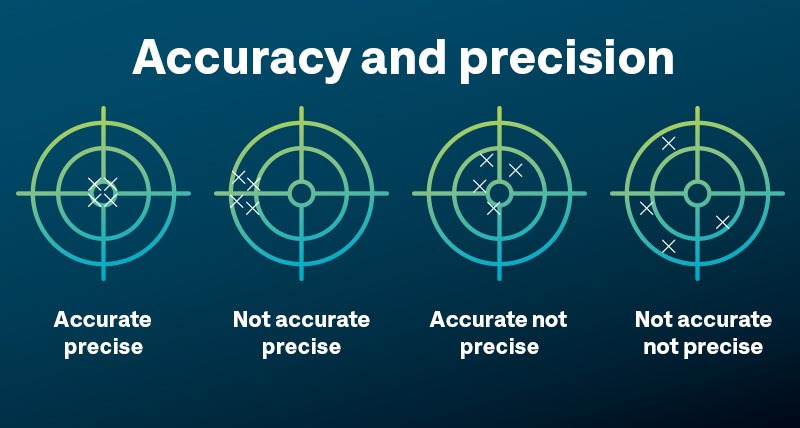
Walking onto a car lot without financing sorted usually hands the upper hand straight to the dealer's finance office. To level the playing field, many buyers turn to online tools like Capital One Auto Navigator to check their buying power beforehand. But a common question arises before anyone signs paperwork: how accurate is Capital One auto pre-approval, and can you actually trust the numbers you see on your screen?
The short answer is that the initial numbers are quite reliable as long as your inputs are honest, but they aren't a legally binding guarantee until you complete a formal credit application. Capital One uses a soft credit check for its initial pre-qualification phase, meaning you can view real financing terms without hurting your credit score. However, the shift from online estimate to final driveway delivery involves specific verification steps that can shift your monthly payment if your financial details change.
How the Capital One Auto Process Works
Understanding the mechanics behind the screen helps explain why pre-approval estimates can sometimes fluctuate. Capital One splits its vehicle financing path into distinct steps. First, you use their online portal to input basic personal data, monthly income, and housing payments.
Behind the scenes, the system triggers a soft credit inquiry. This pulls your credit history and score from a major credit bureau without leaving a mark on your credit report. The tool then pairs your financial profile with a massive inventory of participating dealerships, showing you specific vehicles you can afford along with estimated monthly payments and interest rates.
Because this initial check relies on self-reported income and a soft pull, it functions as a highly educated estimate rather than a finalized contract. It tells you with strong probability what tier of financing you qualify for, but it leaves room for minor adjustments once paperwork changes hands.
Factors That Impact Pre-Approval Accuracy
Several variables determine whether your final loan terms match the online preview. When discrepancies happen, they usually trace back to one of a few common areas.
- Income Verification: The online tool asks for your gross annual income, but it doesn't ask for pay stubs right away. If you estimate on the high side or forget to include variable income deductions, the final check at the dealership might adjust your borrowing limit.
- Vehicle Choice: Capital One pre-approvals are tied to specific parameters, such as vehicle age, mileage, and type. If you test drive a car that falls outside their acceptable lending criteria, your pre-approval won't apply to that specific unit.
- Credit Score Shifts: While your credit score won't change from a soft pull, new debts opened between your online check and your dealership visit can alter your debt-to-income ratio. If you rack up a new credit card balance in the interim, your final terms might reflect higher risk.
- Down Payment Changes: The monthly payments you see online depend heavily on the down payment you entered. If you plan for a two-thousand-dollar down payment online but put down zero at the dealership, your monthly payment will rise accordingly.
Soft Pulls Versus Hard Pulls
A major perk of using digital pre-qualification tools is the safety net they provide for your credit standing. When you first check your options on Capital One Auto Navigator, it registers as a soft inquiry. Lenders view soft checks as background reviews, meaning future lenders won't see them and your credit score remains completely untouched.
The transition to a hard pull only happens when you find a car you love and decide to move forward with the formal financing paperwork at the dealership. At that stage, Capital One runs a hard credit inquiry to lock in the loan. While a hard inquiry can cause a minor, temporary dip in your credit score—usually just a few points—it's a necessary step to finalize any legitimate auto loan. To protect consumers who shop around, credit scoring models typically group multiple auto loan hard inquiries made within a short window into a single inquiry.
Common Mistakes Buyers Make
Even with accurate tools, buyers sometimes run into trouble by misinterpreting how pre-approval works in practice. Avoiding these missteps ensures a smoother trip to the dealership.
- Treating estimates as cash: A pre-approval letter gives you strong buying power, but it isn't a blank check. You still have to stay within the approved loan amount, interest rate caps, and vehicle restrictions outlined in your dashboard.
- Ignoring dealer participation: Capital One works with a vast network of partner dealerships, but not every lot honors outside financing smoothly. Always confirm the dealer accepts Capital One Auto Navigator before you spend hours test driving.
- Failing to check the fine print: Pre-approval terms include specific restrictions on vehicle mileage and year models. Falling in love with a classic car or a heavily commercialized vehicle can void an otherwise solid pre-approval offer.
Frequently Asked Questions
Does checking my rate with Capital One hurt my credit score?
No. Checking your options through Capital One Auto Navigator initiates a soft credit inquiry. This type of check has zero impact on your credit score, allowing you to explore different budget scenarios safely. A hard inquiry only occurs when you submit a formal credit application at the dealership to finalize your loan.
Why did my financing terms change at the dealership?
Terms typically change if the information you provided online differs from your verified documents. If your verified income is lower, your debt-to-income ratio is higher, or you choose a vehicle that falls outside Capital One's lending guidelines, the final offer will adjust to match those realities.
Do I have to buy a car if I get pre-approved?
Not at all. Getting pre-qualified places you under zero obligation to make a purchase. Many people use the tool purely to establish a realistic monthly budget and understand their financing tier well before stepping foot on a car lot.
How long is a Capital One auto pre-approval valid?
Pre-approval offers typically remain valid for a limited window, usually around 30 to 45 days. Because credit profiles and vehicle inventories change frequently, lenders set an expiration date so they can re-verify your financial standing if you take longer to shop. You can review full platform guidelines directly through Capital One Auto. Additional consumer finance insights are also available via the Consumer Financial Protection Bureau.



