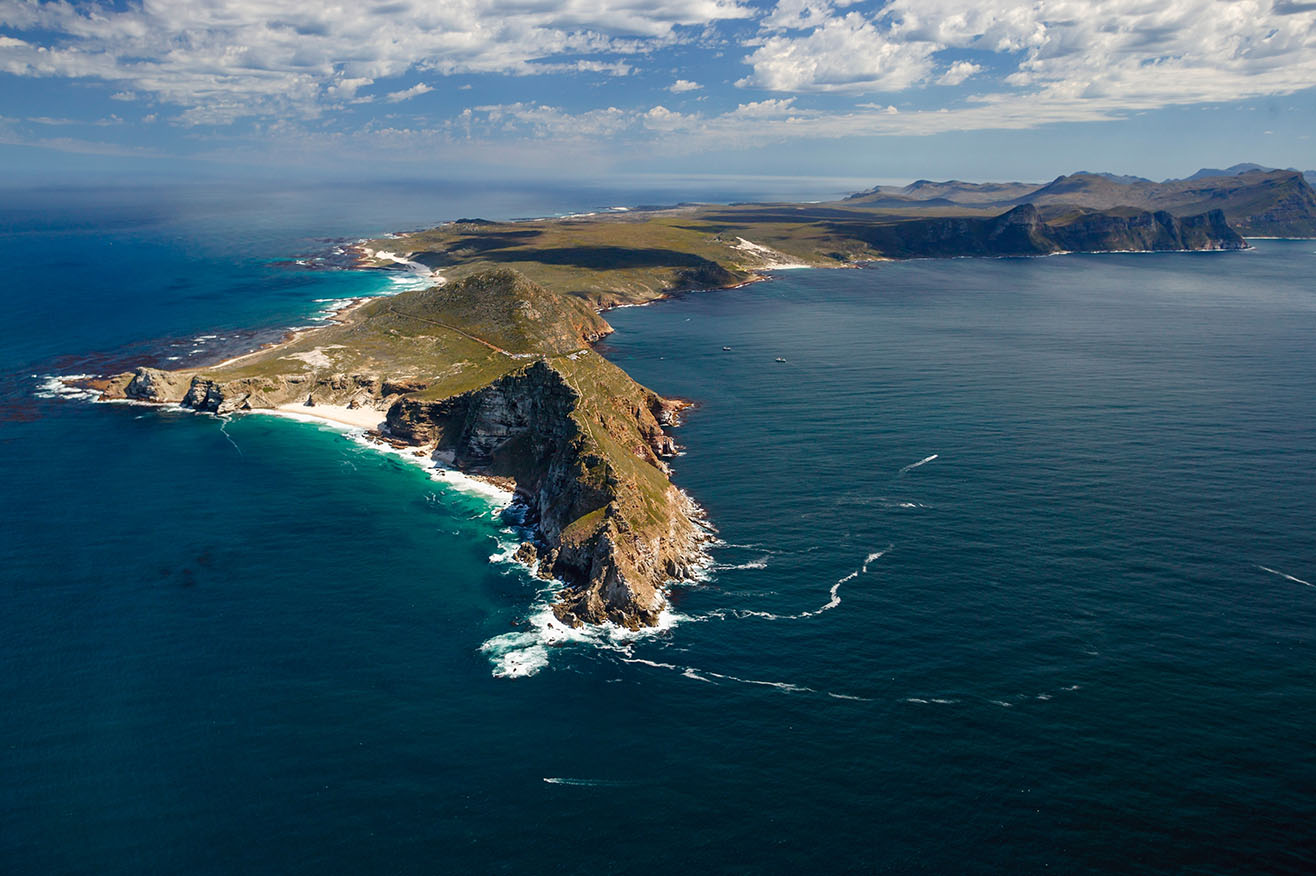
Cape May sunset time varies by nearly four hours across the calendar year, ranging from approximately 4:35 PM in mid-December to 8:30 PM in late June. Because Cape May sits at the southernmost tip of New Jersey along a peninsula surrounded by the Delaware Bay and the Atlantic Ocean, the horizon is wide open, making it one of the premier locations on the East Coast to watch the sun drop directly below the water line.
If you are planning an evening walk, dinner, or photography session, knowing the exact minute of dusk is only half the battle. Understanding seasonal shifts, prime vantage points, and weather variables ensures you catch the best possible colors without missing the peak window.
Monthly Breakdown of Cape May Sunset Times
Sunset times in Cape May shift steadily with the tilt of the Earth, changing significantly between winter solstice and summer solstice. Here is what you can expect throughout the year:
- Spring (March to May): Sunsets push from 6:00 PM in early March to past 8:10 PM by late May. Twilight lingers longer, offering comfortable temperatures and vibrant pastel skies over the bay.
- Summer (June to August): Peak daylight brings sunset times between 8:20 PM and 8:30 PM throughout June and early July. By August, the sun begins an early retreat, setting closer to 7:55 PM by month's end.
- Fall (September to November): Rapid changes occur during autumn. Sunsets drop from 7:30 PM on Labor Day weekend to roughly 4:45 PM by late November as Daylight Saving Time ends.
- Winter (December to February): The earliest sunsets of the year occur around December 8th to 21st, hitting the horizon right at 4:35 PM. Days slowly lengthen through January and February, returning to a 5:45 PM sunset by the end of February.
For the most precise daily calculations down to the exact minute, check official meteorological trackers such as the National Oceanic and Atmospheric Administration Solar Calculator or reference dedicated astronomy tables on Time and Date.
Best Places to Watch the Sunset in Cape May
Because Cape May features a unique geographic hook where the Atlantic Ocean meets the Delaware Bay, you can view the sun setting directly over the water—a rarity on the U.S. East Coast.
- Cape May Point State Park: Located at the literal tip of the cape, this park offers an unobstructed western view across the Delaware Bay. The beach near the Cape May Lighthouse provides panoramic vistas where you can watch the sun sink beneath the horizon while shorebirds fly overhead.
- Sunset Beach: Situated adjacent to the state park, this iconic destination is famous for its nightly flag-lowering ceremonies and views of the sunken World War I concrete ship, the SS Atlantus. The beach features ample parking, a gift shop, and a grill, making it a popular gathering spot.
- The Cove Beach: Found at the western end of Beach Avenue, The Cove faces both south and west. It's a favorite among local photographers who want to frame the historic Victorian architecture and lifeguard stands against a fiery sky.
- Delaware Bay Beaches (Lower Township): If you drive just a few minutes north of the city proper to towns like Villas or Cape May Beach along Bayshore Road, you'll find quiet, uncrowded stretches of sand facing straight west across the bay.
Factors That Influence Sunset Quality
A clock will tell you when the sun drops, but it won't tell you how colorful the sky will be. Brilliant reds, oranges, and purples depend heavily on atmospheric conditions:
- Cloud Cover: Completely clear skies can sometimes produce a plain, pale yellow descent. Scattered clouds or thin cirrus clouds high in the atmosphere catch the dying light, creating dramatic, multi-layered reflections.
- Humidity and Haze: Summer humidity often softens the horizon into gentle pinks and lavenders, while crisp autumn and winter cold fronts scour the air clean, producing sharp, high-contrast golden hues.
- Tide Schedules: Low tide on the Delaware Bay exposes wet sand flats that act like a giant mirror, doubling the visual impact of the sunset colors. Check local tide tables before heading out.
Common Mistakes to Avoid
- Arriving at the exact sunset minute: The most vivid colors often appear after the sun dips below the horizon during civil twilight. Plan to arrive at your viewing spot at least thirty minutes early to set up and thirty minutes after to catch the afterglow.
- Ignoring parking rules at Cape May Point: Parking near Sunset Beach and the state park fills up quickly during summer weekends. Give yourself extra time to find a legal spot or use local shuttle services if available.
- Failing to dress for the wind: Even on warm summer evenings, breezes off the bay can drop temperatures quickly once the sun is gone. Always pack an extra layer, especially in spring and fall.
Frequently Asked Questions
Can you see the sun set directly over the ocean in Cape May?
Yes, due to the unique geography of the Cape May peninsula curving westward along the Delaware Bay, you can watch the sun set directly into the water, which is unusual for East Coast beach towns.
How long does twilight last after sunset in Cape May?
Civil twilight typically lasts between 25 and 35 minutes depending on the season. This is the window when the sky exhibits its most dramatic color transitions before fading into night.
Do I need to pay for parking at Sunset Beach?
Parking at Sunset Beach and Cape May Point State Park is generally free or managed via standard municipal lots, but spaces fill up rapidly during peak summer evenings.
Is Cape May Point State Park open after dark?
The park trails and beach access points have specific operating hours, usually closing shortly after sunset, so visitors must plan to exit the immediate park grounds as twilight concludes.



