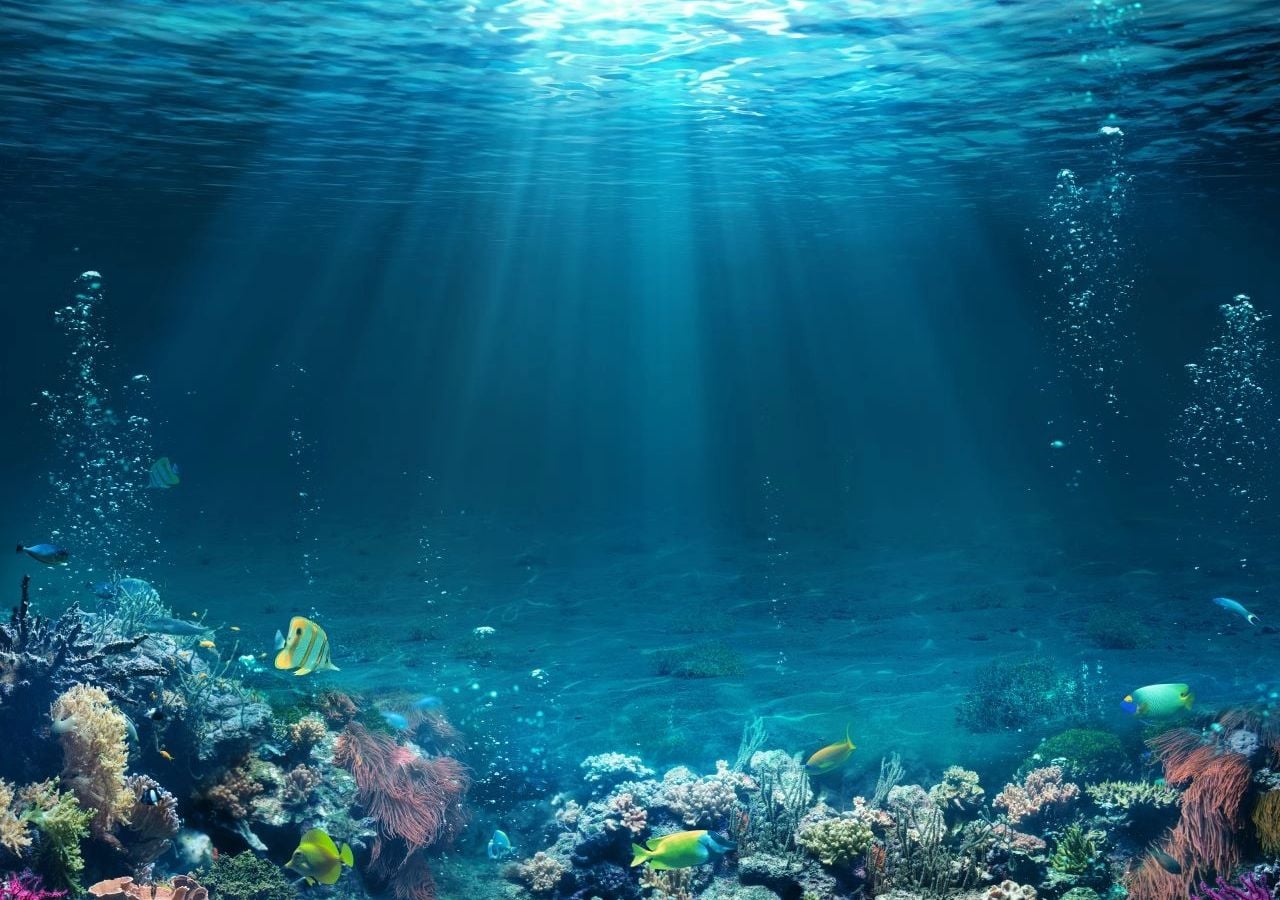
Cancun ocean temperature stays remarkably warm year-round, making the Caribbean coastline one of the most reliable beach destinations in the world. Water temperatures rarely drop below 77 degrees Fahrenheit (25 degrees Celsius) even in the dead of winter, while peak summer months push values toward a warm 85 degrees Fahrenheit (29 degrees Celsius). Whether you plan to snorkel the Mesoamerican Barrier Reef, lounge on the Hotel Zone strands, or dive deep into regional cenotes, understanding seasonal shifts helps you plan the ideal beach getaway without unexpected chills.
This guide breaks down exact monthly sea temperatures, highlights the nuances of swimming seasons, and examines how shifting global climate patterns influence the coastal waters of Quintana Roo.
Month-by-Month Cancun Sea Temperature Breakdown
The annual temperature swing in Cancun is surprisingly modest, moving within a reliable eight-degree window. Knowing what to expect each season ensures you pack the right gear for long water sessions.
Winter (January to March)
Winter water averages hover around 77 to 78 degrees Fahrenheit (25 to 26 degrees Celsius). While locals might find these months brisk, most travelers coming from cooler climates find the water comfortable for standard swimming and water sports. However, windy cold fronts known locally as nortes can churn up coastal chop, temporarily making beaches feel cooler when you step out of the surf.
Spring (April to June)
As spring takes hold, water temperatures climb steadily from 79 degrees Fahrenheit (26 degrees Celsius) in April to a comfortable 83 degrees Fahrenheit (or higher) by June. Air temperatures rise quickly during these months, making the refreshing sea a welcome relief. This period offers some of the clearest water visibility for snorkeling and scuba diving before summer rains arrive.
Summer and Early Fall (July to October)
This is peak thermal season. Ocean temperatures reach their annual maximum, averaging between 84 and 86 degrees Fahrenheit (29 to 30 degrees Celsius). The water feels like a warm bath, allowing for hours of effortless swimming. This period also coincides with the Atlantic hurricane season, meaning sudden tropical downpours and elevated humidity levels can shift daily beach conditions quickly.
Late Fall (November and December)
As autumn wraps up, sea temperatures ease back down into the low 80s and high 70s Fahrenheit (26 to 27 degrees Celsius). November is frequently cited by seasoned travelers as a sweet spot: air humidity drops, tropical storms become rare, and the ocean remains warm enough for extended afternoon swims without overheating.
Swimming Seasons and Ocean Conditions
A warm sea is only part of the equation when planning a beach vacation. Several environmental factors dictate your daily experience on the sand.
- Wave Action and Currents: The northern-facing beaches of Cancun's Hotel Zone face open waters and can experience stronger wave action, while the eastern and sheltered stretches near Isla Mujeres offer calmer swimming conditions. Always check local flag warning systems before entering the water.
- Sargassum Shifts: Seasonal brown seaweed influxes affect parts of the Mexican Caribbean during warmer months. While government agencies and resorts actively clean public beaches, wind patterns heavily dictate which specific bays experience heavy accumulation on any given day.
- Sun Protection: High water temperatures combined with intense tropical sun mean sunburns happen fast. Opt for reef-safe sunscreen or UV-protective rash guards, especially if you spend hours snorkeling over shallow coral heads.
Climate Impact on the Caribbean Sea
Global climate trends directly influence local marine ecosystems in Quintana Roo. Marine heatwaves have become more frequent across the broader Caribbean, pushing summer surface temperatures slightly higher than historical averages.
Warmer water places biological stress on coral reefs, accelerating bleaching events along the Mexican Caribbean Biosphere Reserve. Additionally, elevated sea surface temperatures act as fuel for rapid storm intensification during hurricane season. For travelers, this means keeping an eye on regional meteorological trackers during late summer and autumn trips, as changing climate baselines make weather patterns more dynamic than they were decades ago.
Frequently Asked Questions
Can you swim in Cancun during January?
Yes. Water temperatures hover around 77 degrees Fahrenheit (25 degrees Celsius), which is comfortable for most people during brief to moderate swimming sessions. If you plan to stay in the water for hours snorkeling, a short wetsuit or rash guard helps prevent a chill when the wind picks up.
When is the water warmest in Cancun?
August and September boast the warmest ocean temperatures, consistently averaging between 85 and 86 degrees Fahrenheit (29 to 30 degrees Celsius).
Do I need a wetsuit for diving in Cancun?
Most recreational divers do not need a full wetsuit during the summer and fall. A thin 3mm shorty or even a rash guard is usually sufficient from May through November. During winter months, some dive operators recommend a full 3mm suit to stay comfortable during multi-tank boat dives.
How do regional storms affect sea temperatures?
Tropical storms and hurricanes mix the upper layers of the ocean, which can occasionally pull slightly cooler water up from below or temporarily lower surface temperatures by casting thick cloud cover over the coast for several days.


