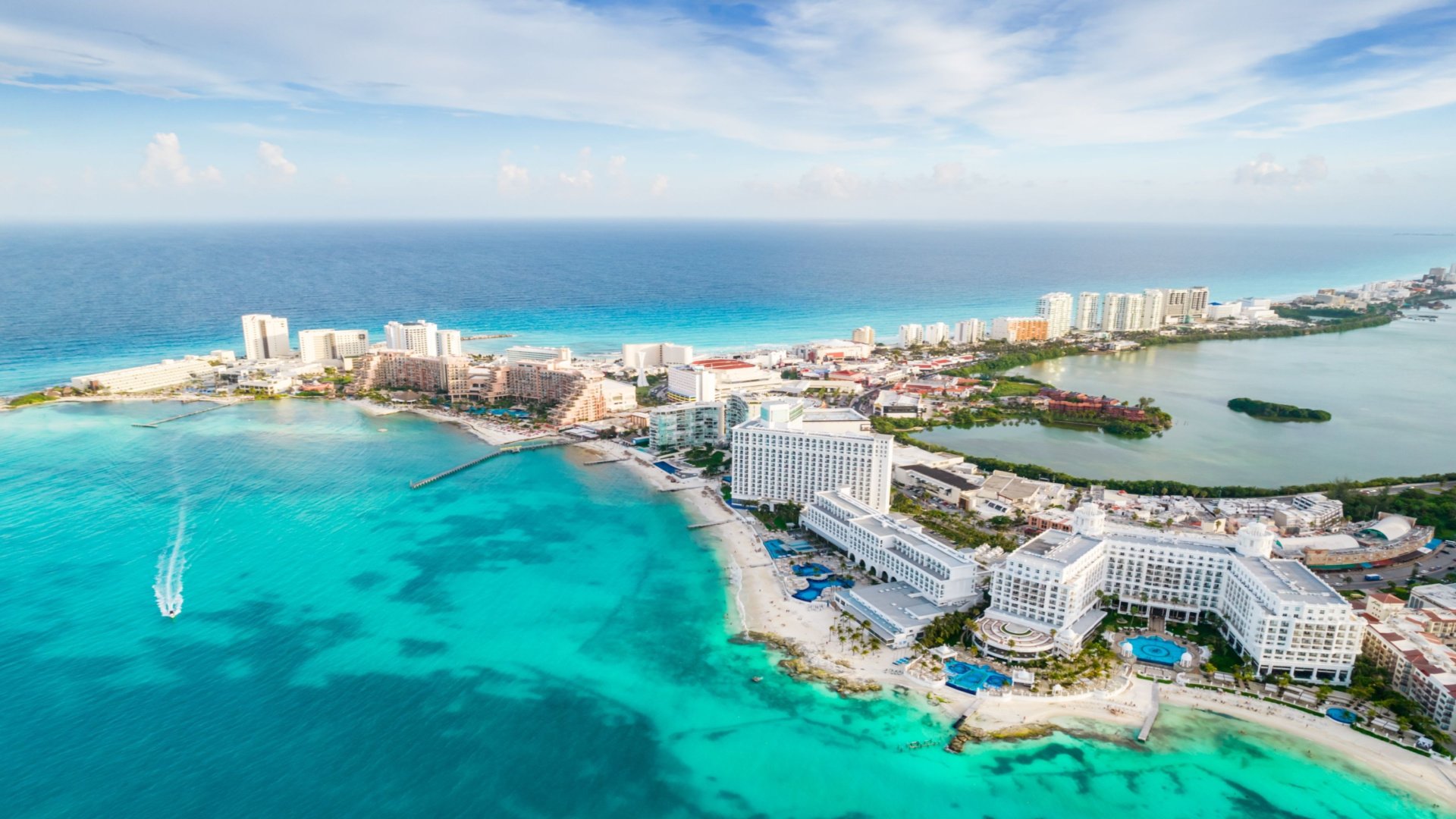
Cancun hurricane season officially runs from June 1 to November 30, with peak activity concentrated between mid-August and mid-October. Traveling during these months means scoring deep discounts on resorts and dealing with fewer crowds, but it also requires respecting tropical weather patterns. If you're planning a trip or sitting on a booked reservation, knowing how to interpret forecasts, choosing the right resort policies, and packing smartly will keep your vacation stress-free.
Understanding the actual threat helps separate panic from realistic preparation. Most tropical storms and hurricanes pass harmlessly by or never develop into major threats to the Yucatan Peninsula. However, when storms do form, they can disrupt flights, cause heavy downpours, and occasionally force localized evacuations. Knowing what to expect month by month and having a concrete backup plan transforms a risky gamble into a calculated, budget-friendly getaway.
Decoding the Timeline: Month-by-Month Risk
The six-month window isn't uniform. Weather dynamics shift drastically from the opening weeks of summer to the late-autumn wind-down.
Early Season: June and July
June kicks off the official tracking period. Water temperatures rise, and humidity climbs, but major storms are relatively rare this early. You'll mostly encounter short, heavy afternoon thunderstorms that clear up in time for evening dinners. July is similarly manageable, though temperatures peak near 34°C (93°F). Crowds are smaller because of the heat, making it a solid window for travelers who don't mind a brief daily downpour.
Peak Season: August, September, and October
This is the core danger zone. August brings warm ocean waters that act as fuel for developing systems. September and October are statistically the wettest months of the year, averaging over 200 mm of rain and hosting the climatological peak of tropical activity around September 10. Storms that form during these weeks can organize rapidly. If you book travel now, you must remain flexible and monitor the National Hurricane Center regularly.
Shoulder Wind-Down: November
By November, cold fronts from the north start pushing south, gradually cutting off the humidity and stabilizing the atmosphere. While the official season technically ends on November 30, late November usually brings pleasant, breezy beach weather with a significantly lower risk of tropical systems.
Selecting a Resort with Solid Hurricane Policies
Where you stay matters just as much as when you go. Budget motels and independent rentals rarely offer financial protection if a storm derails your plans. Large, established resort chains in the Hotel Zone usually have robust infrastructure, backup generators, and formal weather guarantees.
- Look for hurricane guarantees: Many major operators offer "hurricane policies" that let you reschedule your trip without penalty or receive resort credit if a hurricane warning is officially issued for Cancun by local authorities.
- Inspect the infrastructure: Modern resorts in the Hotel Zone feature high-grade impact-resistant glass and substantial concrete construction designed to withstand severe winds.
- Inquire about backup power: Ask management if the property utilizes heavy-duty generators that keep air conditioning, kitchen facilities, and elevators running during grid outages.
Smart Packing for Tropical Weather
Packing for a tropical climate during storm season requires balancing lightweight beach gear with waterproof safeguards. Don't rely solely on tiny resort umbrellas when heavy squalls roll in.
- Waterproof gear: Pack a lightweight rain jacket or a durable poncho rather than a fragile compact umbrella that will snap in coastal gusts. Bring dry bags or ziplock pouches to protect passports, phones, and electronics from sudden downpours.
- Appropriate footwear: Bring quick-drying sandals or water shoes. Streets in downtown Cancun and certain low-lying resort paths can accumulate standing water rapidly during heavy cloudbursts.
- Medications and documents: Keep a physical copy of your passport, travel insurance policy, and essential prescription medications in a sealed waterproof sleeve inside your daypack.
Actionable Steps If a Storm Approaches
If a tropical depression upgrades and sets its sights on Quintana Roo, local civil protection authorities act quickly. Staying calm and following protocol keeps you out of harm's way.
- Monitor official channels: Check updates from the Servicio Meteorológico Nacional and listen directly to hotel management announcements rather than relying on unverified social media rumors.
- Stock up early: If you're staying in an Airbnb or apartment rental outside a resort, stock up on bottled water, non-perishable snacks, and flashlights before local grocery stores experience rush crowds.
- Comply with shelter directives: If hotel staff instruct guests to move to interior corridors, lower-level reinforced conference rooms, or designated community shelters, follow instructions immediately. Do not attempt to walk down the beach or film the surf during peak winds.
Frequently Asked Questions
Is travel insurance worth buying during hurricane season?
Yes. Standard policies rarely cover weather-related cancellations unless purchased well in advance, so look for "Cancel For Any Reason" (CFAR) policies or specific travel insurance that explicitly covers tropical storm interruptions and flight delays.
Will flights out of Cancun International Airport shut down?
Airlines ground flights proactively when sustained winds cross safety thresholds or when the airport authority officially closes operations. If a major storm threatens, airlines usually issue waivers allowing passengers to change travel dates without fees ahead of time.
How do hurricanes impact daily hotel activities?
During a severe weather watch, outdoor amenities like pools, beach loungers, and excursion desks close. Resorts shift operations indoors, offering organized indoor entertainment, buffet dining in secure halls, and continuous updates from guest relations teams until the storm passes.
Are all parts of Cancun affected equally?
The Hotel Zone sits on a barrier island exposed directly to the Caribbean Sea, meaning it experiences high winds and rough surf first. Downtown Cancun (Ciudad Cancún) is set further inland, offering slightly more natural wind buffer, though heavy street flooding can still occur during prolonged downpours.


