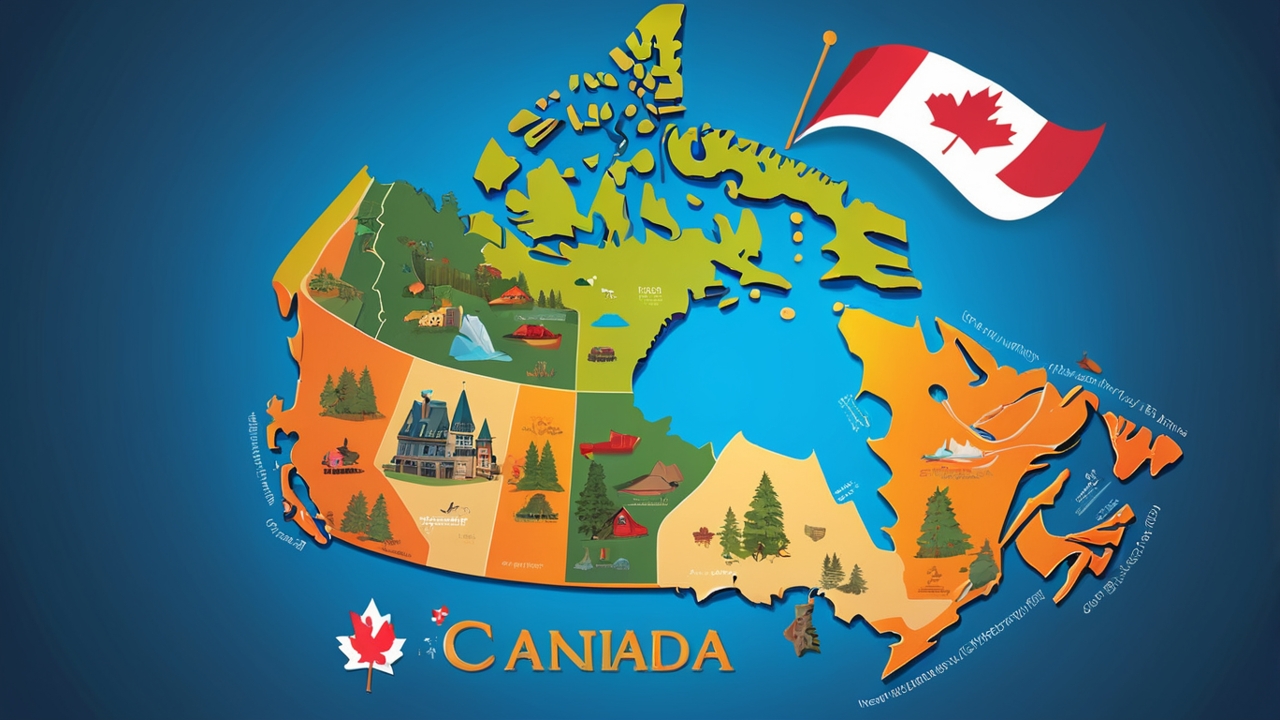
Comparing Canada and Ecuador reveals a fascinating study of two distinct nations shaped by vastly different geographical, economic, and social forces. Canada spans the northern half of North America as a wealthy, industrialized commonwealth nation, while Ecuador sits squarely on the equator in South America, defined by its compact territory, rich biodiversity, and developing economy. While both countries value strong family networks and community hospitality, their day-to-day realities, economic outputs, and living costs diverge sharply.
This article cuts straight to the core of how Canada and Ecuador compare across key metrics, including economic structures, cost of living, cultural frameworks, and infrastructure. Whether you're researching international relations, evaluating a potential move, or simply satisfying your curiosity, understanding these structural differences offers a clear picture of what life looks like in each country.
Economic Foundations and Wealth Distribution
The economic landscapes of Canada and Ecuador operate on entirely different scales. Canada boasts a high-income, highly diversified economy driven by advanced manufacturing, tech sectors, and massive natural resource exports like oil, timber, and minerals. Its gross domestic product per capita sits significantly higher than Ecuador's, supported by a robust banking sector and deep integration into North American trade agreements.
Ecuador’s economy relies more heavily on agricultural exports—including bananas, shrimp, cocoa, and cut flowers—alongside petroleum extraction. A defining feature of Ecuador's monetary system is its official adoption of the United States Dollar, which helps control inflation but limits the central bank's ability to adjust monetary policy independently.
- GDP and Purchasing Power: Canada's per capita economic output allows for higher average wages and greater individual purchasing power.
- Employment Markets: Canada experiences a larger formal job market with expansive corporate structures, whereas Ecuador features a higher proportion of informal labor and small-scale entrepreneurship.
- Public Expenditure: Canada allocates a larger share of its national budget to social safety nets, healthcare, and higher education infrastructure.
Cost of Living and Everyday Expenses
For anyone looking at practical lifestyle differences, the financial gap between the two nations is striking. Canada ranks among the more expensive countries globally, driven by high housing costs, cold-weather energy requirements, and stringent regulatory standards. Ecuador offers a much lower cost of living, making it a popular destination for retirees and remote workers seeking budget flexibility.
Housing and rent illustrate the starkest contrast. Renting a central apartment in cities like Toronto or Vancouver demands a massive portion of monthly income, whereas capital or coastal cities in Ecuador offer significantly lower housing overhead. Groceries, public transit, and dining out follow a similar pattern, costing a fraction in Ecuador compared to Canadian metropolitan hubs.
| Expense Category | Canada Average | Ecuador Average |
|---|---|---|
| One-Bedroom Rent (City Center) | High | Low |
| Public Transit Pass | Moderate to High | Very Low |
| Monthly Groceries (Single) | Moderate | Low |
| Dining Out | High | Affordable |
Climate, Geography, and Infrastructure
Geography dictates much of the daily rhythm in both nations. Canada is the second-largest country by total area, featuring immense coastlines, vast boreal forests, tundra, and extreme seasonal temperature swings that require heavy winter infrastructure. Ecuador is compact yet packed with geographic diversity, split longitudinally by the Andes Mountains, flanked by a Pacific coastline, and bordered by the Amazon basin.
Because Ecuador straddles the equator, it doesn't experience traditional four-season winters; instead, microclimates depend heavily on altitude. Quito, the capital, sits high in the Andes and enjoys spring-like weather year-round, while coastal regions remain tropical.
- Energy and Power: Canada utilizes extensive hydroelectric and fossil-fuel grids, resulting in high per capita electricity consumption. Ecuador generates a substantial portion of its electricity from hydropower, though grid reliability can vary outside major urban centers.
- Connectivity: Broadband internet penetration is nearly universal in Canada, whereas Ecuador continues to expand its fiber-optic and mobile network coverage into rural and interior provinces.
- Transportation Networks: Canada relies on massive highway systems and transcontinental rail for freight, while Ecuador's mountainous terrain makes road maintenance complex and air travel or bus transit vital for inter-city movement.
Cultural Dynamics and Social Structures
Cultural norms shape how people interact, conduct business, and build communities in each country. Canada is shaped by a multicultural mosaic that encourages individual autonomy, institutional transparency, and low power distance in professional settings. Workplace communication tends to be direct, and social structures lean heavily individualistic.
Ecuadorian culture is deeply rooted in collectivism, where extended family ties, community responsibilities, and social harmony take center stage. Professional and personal relationships rely heavily on trust and indirect communication styles. Hospitality is a shared cultural pillar in both nations, but Ecuadorians often prioritize personal rapport over strict adherence to rigid schedules, contrasting with Canada's time-conscious business culture.
Common Misconceptions to Avoid
When analyzing nations as diverse as Canada and Ecuador, several common myths tend to surface. Recognizing these pitfalls prevents inaccurate assumptions about lifestyle and development.
- Assuming uniform wealth: While Canada has a high average income, it also grapples with significant regional economic disparities and rising housing affordability crises in urban centers.
- Overlooking Ecuador's regional variation: People often view Ecuador as a monolithic tropical zone, ignoring the distinct cultural and climatic differences between the Andean highlands, the Amazon, and the coast.
- Equating lower costs with lower quality of life: While Ecuador's wages are lower, the lower cost of living allows residents and expats to access fresh local produce, community support systems, and healthcare services without incurring massive debt.
You can explore broader governance frameworks and international data through resources like the World Bank or review bilateral diplomatic initiatives via Global Affairs Canada.
Frequently Asked Questions
Is healthcare free in both Canada and Ecuador?
Canada operates a publicly funded healthcare system financed through taxes, providing medically necessary hospital and physician services without direct out-of-pocket user fees at the point of care. Ecuador features a public healthcare system coordinated by the Ministry of Public Health and the Ecuadorian Social Security Institute (IESS), which offers universal coverage alongside private healthcare options that are widely used for faster access.
How do official languages compare?
Canada has two official languages at the federal level: English and French. Ecuador recognizes Spanish as its official language, alongside Kichwa and Shuar as official languages of intercultural relations for indigenous communities.
What are the main visa options for moving between the two countries?
Canadians moving to Ecuador often utilize retiree visas, digital nomad visas, or investor visas tied to local real estate or bank deposits. Ecuadorians relocating to Canada typically navigate the federal Express Entry system, employer-sponsored work permits, or family sponsorship programs managed by Immigration, Refugees and Citizenship Canada.
How do climate conditions impact daily life?
In Canada, winter preparation dictates architecture, transportation budgets, and seasonal recreational habits. In Ecuador, daily life is less constrained by extreme cold, though residents living at high altitudes must adapt to thinner air, while coastal residents navigate tropical rainy seasons.



