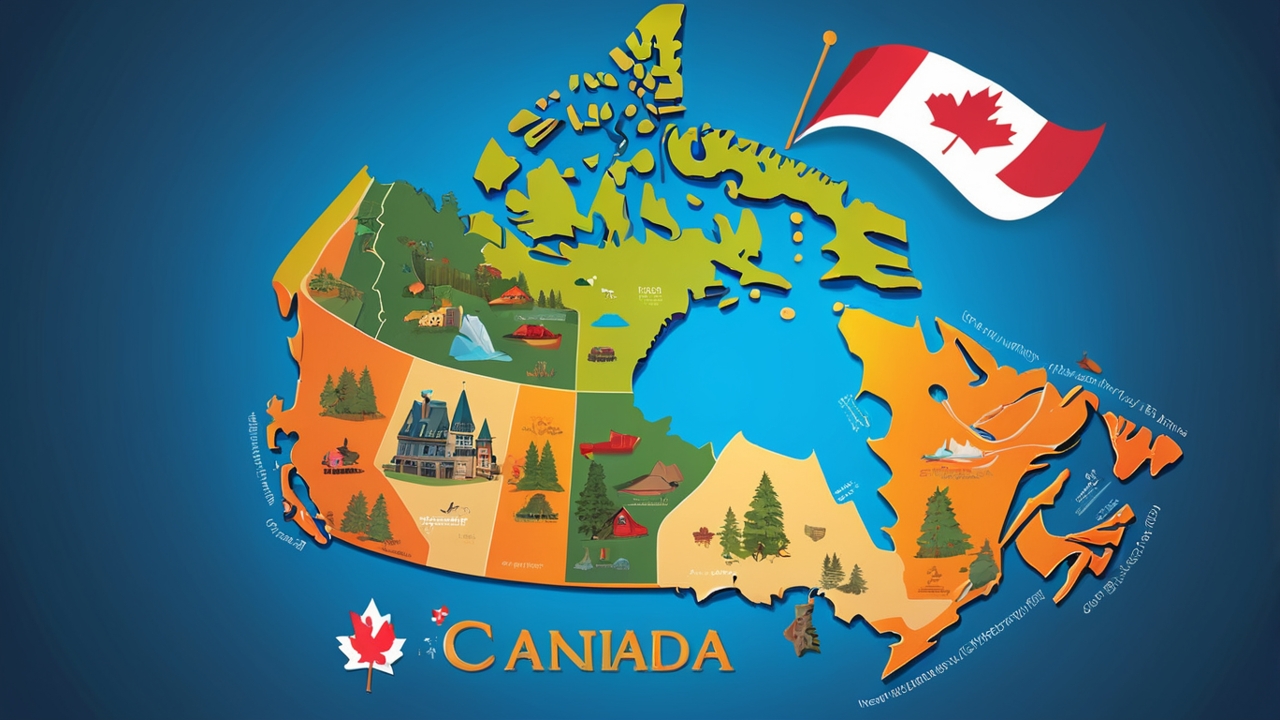
Navigating time across Canada requires more than looking at a standard continental map. Spanning six primary geographic zones from the Atlantic coast to the Pacific, Canada covers offsets ranging from UTC-3:30 to UTC-8. Recent legislative updates have further transformed how provinces handle the clock, making it vital to check local rules before scheduling cross-country calls, booking domestic flights, or managing remote teams.
Canada operates on six standard time zones: Pacific, Mountain, Central, Eastern, Atlantic, and Newfoundland. Each zone features distinct boundaries set by provincial and territorial laws rather than a single federal decree. Understanding these regions, their offsets, and seasonal shifts prevents missed meetings and costly logistical errors.
The Six Canadian Time Zones Explained
Each zone dictates local schedules across provinces and territories. Here is how Canada splits its hours from west to east.
Pacific Time (PT)
Covering nearly all of British Columbia and the Yukon, the Pacific zone operates at UTC-8 during standard time. Major hubs like Vancouver, Victoria, and Whistler align with the US West Coast. Following legislative shifts, British Columbia remains on permanent Pacific Daylight Time (UTC-7), while the Yukon stays permanently on Mountain Standard Time (UTC-7) year-round without seasonal clock changes.
Mountain Time (MT)
Spanning Alberta, the Northwest Territories, and parts of eastern British Columbia, Mountain Time operates at UTC-7 standard and UTC-6 daylight time. Alberta adopted permanent Mountain Daylight Time (UTC-6, often called Alberta Time), eliminating seasonal adjustments. Cities like Calgary, Edmonton, and Banff maintain this consistent offset.
Central Time (CT)
Encompassing Manitoba, most of Saskatchewan, and western Ontario, Central Time runs at UTC-6 standard. Saskatchewan has maintained Central Standard Time year-round since 1966, bypassing seasonal changes entirely. Meanwhile, Manitoba operates on permanent Central Daylight Time (UTC-5), putting Winnipeg and Regina on the same clock during summer months. Major centers include Winnipeg and Saskatoon.
Eastern Time (ET)
Stretching across the economic heartland of Ontario and Quebec, alongside parts of Nunavut, Eastern Time sits at UTC-5. Major metropolitan areas like Toronto, Ottawa, and Montreal observe seasonal clock shifts, falling back to UTC-5 in November and moving to UTC-4 in March.
Atlantic Time (AT)
Covering New Brunswick, Nova Scotia, Prince Edward Island, and most of Labrador, Atlantic Time operates at UTC-4 standard and UTC-3 daylight time. Cities like Halifax, Moncton, and Charlottetown manage commercial operations three hours ahead of Vancouver and one hour ahead of Toronto. Certain eastern regions of Quebec also use Atlantic time year-round.
Newfoundland Time (NT)
Unique to the island of Newfoundland and southeastern Labrador, Newfoundland Time sits on a rare 30-minute offset at UTC-3:30 standard and UTC-2:30 daylight time. When it is 10:00 AM in Halifax, it is precisely 10:30 AM in St. John's. This historical quirk requires careful attention when booking connecting flights or television broadcasts.
Daylight Saving Time and Recent Legislative Shifts
Canada's approach to daylight saving time has evolved away from uniform nationwide changes. While provinces like Ontario, Quebec, and the Atlantic provinces continue traditional spring-forward and fall-back shifts, western and central jurisdictions have enacted permanent time legislation.
Provinces including British Columbia, Alberta, and Manitoba have locked their clocks into permanent daylight standards. This means scheduling meetings with western partners no longer involves tracking biannual clock shifts, simplifying coordination for remote teams and logistics providers. You can review official updates directly through the National Research Council of Canada.
Practical Impact on Travel and Business Calls
Miscalculating time differences across Canada's expansive geography disrupts operations. Keep these practical realities in mind:
- Business Hours Offset: A standard 5:00 PM closing time in Toronto (Eastern Time) translates to 2:00 PM in Vancouver (Pacific Time) and 3:30 PM in St. John's (Newfoundland Time). If you manage national teams, schedule core collaborative hours between 11:00 AM ET and 3:00 PM ET to capture overlapping working windows.
- Flight Itineraries: Canadian domestic airline tickets display local arrival and departure times. A flight leaving Toronto at 10:00 AM and arriving in Vancouver at 12:30 PM local time spans roughly five hours in the air, despite the ticket appearing shorter due to the three-hour westward time change.
- Freight and Ferries: Maritime and rail schedules rely heavily on local zone transitions. Ferry services crossing between Nova Scotia and Newfoundland require passengers to adjust watches forward by 30 minutes upon entry.
For official verification of current offsets and global coordination standards, consult Time and Date.
Frequently Asked Questions
How many time zones does Canada have?
Canada spans six primary standard time zones, ranging from Pacific Time on the west coast to Newfoundland Time on the east coast.
Do all parts of Canada observe daylight saving time?
No. Saskatchewan and the Yukon do not observe daylight saving time. Furthermore, provinces like British Columbia, Alberta, and Manitoba have moved to permanent daylight standards, meaning they do not shift clocks backward in November.
Why does Newfoundland have a 30-minute time zone?
Newfoundland established its unique UTC-3:30 offset in 1935 based on its distinct geographic meridian, keeping it half an hour ahead of Atlantic Standard Time.
How do I schedule a meeting across multiple Canadian provinces?
Find a window where Eastern and Pacific working hours overlap. Typically, a meeting held between 1:00 PM and 4:00 PM Eastern Time falls within the standard morning or afternoon working hours for all six Canadian zones.



