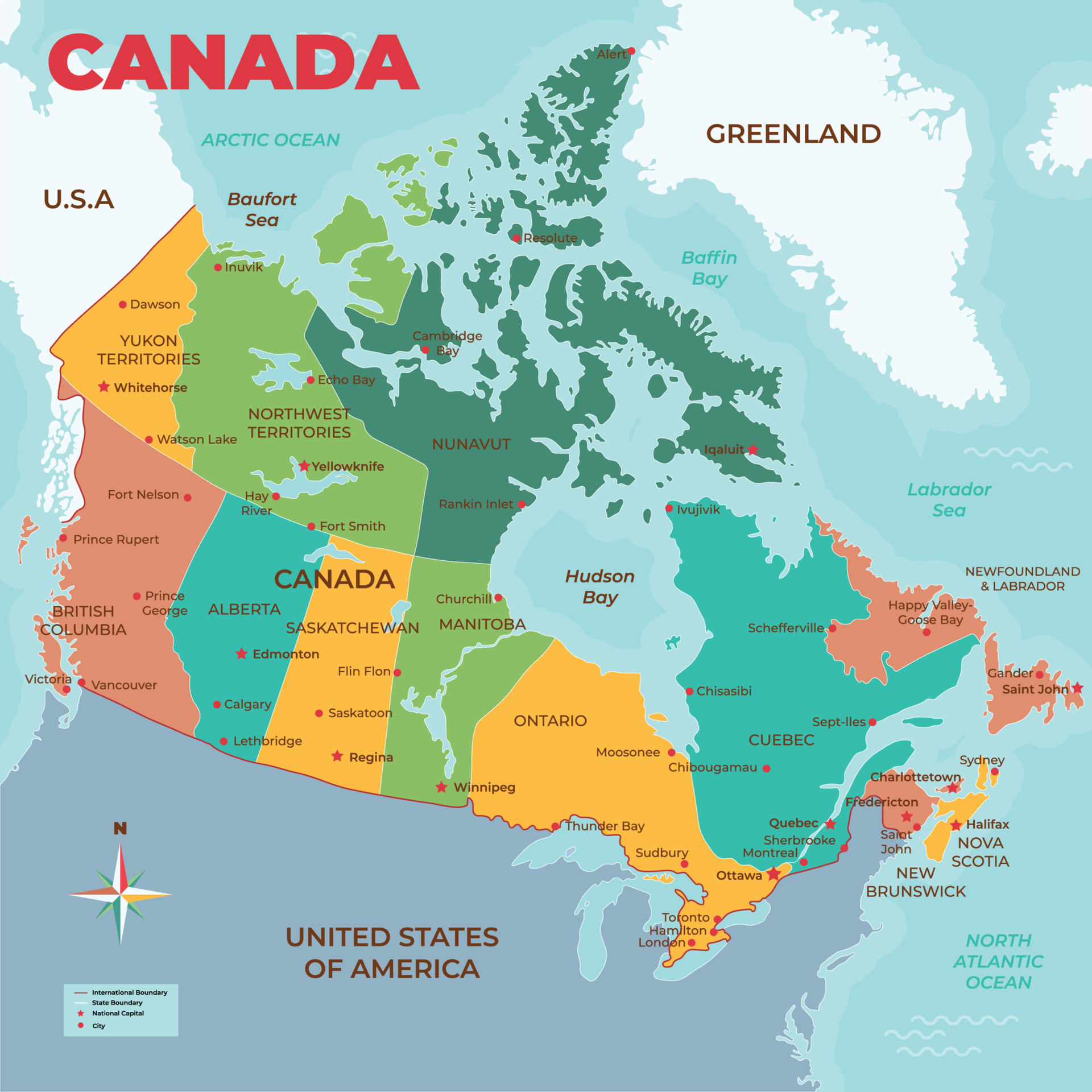
Navigating time across Canada requires tracking six distinct zones that span a massive geographic footprint from the Pacific coast to the Atlantic ocean. Because policy shifts have altered how provinces handle seasonal transitions, figuring out what time it is across the country depends heavily on both geography and the calendar.
Canada stretches across four and a half hours of time differences, creating unique scheduling challenges for cross-country travel, remote teams, and logistics. Understanding how these regional zones operate prevents missed meetings and confused travel itineraries.
The Six Canadian Time Zones Explained
Canada is divided from west to east into six primary standard time regions. Each zone reflects both the physical rotation of the Earth and historical legislative choices made by individual provinces and territories.
Pacific Time
Pacific Time covers the westernmost reaches of the country. This zone includes nearly all of British Columbia and the Yukon. Vancouver, Victoria, and Whitehorse operate within this footprint.
Mountain Time
Moving eastward, Mountain Time spans Alberta, the Northwest Territories, and parts of eastern British Columbia and western Nunavut. Major hubs like Calgary, Edmonton, and Yellowknife anchor this zone.
Central Time
Central Time blankets the middle of the country. It covers Manitoba, most of Saskatchewan, western Ontario, and central Nunavut. Cities such as Winnipeg, Regina, and Saskatoon rely on this standard.
Eastern Time
Eastern Time encompasses Canada's most densely populated commercial corridors. It runs across the majority of Ontario, the bulk of Quebec, and eastern Nunavut. Major metropolitan centers like Toronto, Ottawa, and Montreal operate here.
Atlantic Time
Atlantic Time covers the maritime provinces and parts of eastern Quebec. This zone includes Nova Scotia, New Brunswick, Prince Edward Island, and most of Labrador. Halifax and Moncton serve as primary urban anchors for this region.
Newfoundland Time
Newfoundland Time is one of the world's few half-hour time zones. It covers the island of Newfoundland and southeastern Labrador, sitting exactly thirty minutes ahead of Atlantic Time and three and a half hours behind Coordinated Universal Time. St. John's operates on this unique schedule.
The Impact of Permanent Daylight Time Shifts
Canada's approach to seasonal time changes has undergone major structural updates. While eastern provinces still adjust their clocks twice a year, much of western Canada maintains fixed year-round schedules.
British Columbia, Alberta, Manitoba, Saskatchewan, the Yukon, and the Northwest Territories either stay on permanent daylight time or standard time year-round. This means that the traditional time gaps between western and eastern provinces shrink during the winter months. For example, when Ontario falls back an hour in autumn, provinces like Alberta and British Columbia maintain their existing clock settings, narrowing the operational gap for cross-country communication.
- No Seasonal Changes: Saskatchewan, Yukon, British Columbia, Alberta, Manitoba, and the Northwest Territories.
- Traditional Clock Changes: Ontario, Quebec, New Brunswick, Nova Scotia, Prince Edward Island, Newfoundland and Labrador, and most of Nunavut.
Practical Implications for Travel and Business
Scheduling calls or booking travel across multiple Canadian provinces requires careful attention to local standards rather than relying on generalized assumptions.
Domestic flight tickets always display local departure and arrival times. A flight leaving Toronto at 10:00 a.m. Eastern Time and arriving in Vancouver will show a local arrival time that reflects the western shift, making the flight duration look different on paper than the raw clock difference suggests.
When coordinating business meetings between coasts, remember the maximum spread. When it is 5:00 p.m. in St. John's, Newfoundland, it is only 1:30 p.m. in Vancouver, British Columbia. Standardizing meeting times around UTC or Eastern Time helps teams avoid costly scheduling errors.
Frequently Asked Questions
Why does Newfoundland have a 30-minute time zone?
Newfoundland established its distinct half-hour offset in 1935 based on its precise geographic longitude. It chose to remain separate from the maritime provinces to better align local solar noon with standard clock time.
Does all of Saskatchewan stay on the same time?
Almost the entire province observes Central Standard Time year-round without daylight saving adjustments. However, the border city of Lloydminster historically adopted Alberta's time rules to stay synchronized with neighboring communities.
How do I calculate time differences for cross-country shipping?
Always check the destination's current local date and time policy. Because provinces like British Columbia and Alberta do not fall back in the autumn, shipping manifests and delivery cut-off times shift relative to eastern distribution centers.
What is the widest time gap within Canada?
The maximum span across domestic zones is four and a half hours, stretching from the Pacific Time zone on the west coast to the Newfoundland Time zone on the east coast.


